

Platelets, or thrombocytes, are the smallest of the three types of blood cell in the human body. They help blood to clot, and it is because of them that bleeding stops quickly when you cut yourself.
Why do platelets fall?
There are two main reasons platelets fall: either they are destroyed, or not enough are made. When the blood platelet count starts to fall, the condition is called thrombocytopenia.
According to experts, other causes of low platelets include anaemia (a fall in haemoglobin and red blood cells), viral infections, leukaemia, chemotherapy, heavy drinking and vitamin B12 deficiency.
Platelets can also fall because of severe cancer or serious gallbladder disease. Bacterial inflammation of the blood, reactions to medicines and immune-system disorders can also break platelets down.
What happens when platelets fall?
The normal platelet level is between 1.5 lakh and 4.5 lakh. If it ever falls below 20,000, there is a risk of internal bleeding.
If platelets fall below 5,000, there is a risk of bleeding in the brain, kidneys and heart. Machine counts can be wrong, because platelets clump together and the machine counts several as one.
According to experts, low platelets, or thrombocytopenia, is not a medical emergency. It is not the case that a patient will bleed and die suddenly as soon as platelets fall. When platelets fall, there is a kind of minor capillary bleeding under the skin.
What to eat to raise platelets
Pomegranate: Pomegranate is rich in vitamins and minerals, and eating it also relieves tiredness and fatigue. You can eat pomegranate regularly to raise platelets.
Coconut water: Green coconut water is very good for physical health. Dengue fever causes dehydration as the body loses fluid. Drink plenty of coconut water at this time; it contains essential nutrients such as electrolytes.
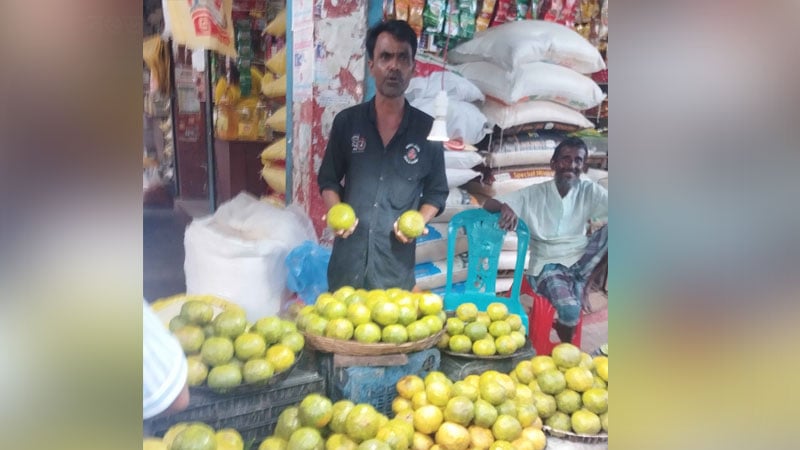
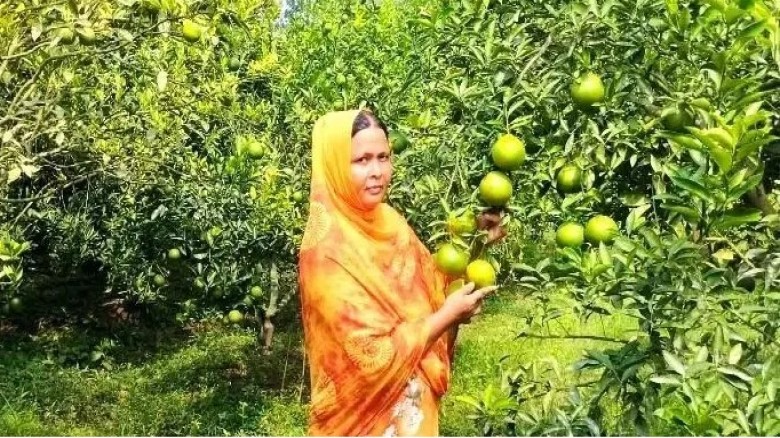
Orange or malta juice: Orange and malta juice are rich in vitamin C and antioxidants, both of which help raise the blood platelet count.
Kiwi fruit: Kiwi is also rich in vitamins and contains potassium. Eating it helps keep electrolyte levels and high blood pressure under control, and even raises red blood cell levels.
Turmeric: Turmeric is a kitchen ingredient that has been used in treatment for ages. If you have dengue fever, mix a pinch of turmeric into a glass of milk and drink it. Eating turmeric will raise the platelet count.
Fenugreek: Fenugreek is surely in every home. It helps bring down the high fever of dengue. But you must consult a doctor before taking fenugreek.
Broccoli: Broccoli is a good source of vitamin K, which helps raise blood platelets. Anyone with dengue should be given broccoli.
Spinach: Spinach is rich in iron and omega-3 fatty acids, and helps strengthen the immune system. Eating spinach will raise a dengue patient's platelets quickly.
Sweet pumpkin and pumpkin seeds: Sweet pumpkin contains vitamin A, which helps produce platelets. Eating sweet pumpkin and its seeds regularly helps raise the blood platelet count.
Papaya leaf and papaya: A study by the Asian Institute of Science and Technology in Malaysia found that papaya leaf juice helps quickly raise platelets when dengue has lowered them. If your platelet count falls, drink papaya leaf juice or ripe papaya juice every day.
Lemon juice: Vitamin C helps raise blood platelets. Lemon juice is rich in vitamin C, which helps boost immunity and the platelet count.
Citing Mayo Clinic, Medical News Today and The Indian Express.
Source: Jagonews24. First published in Bengali on The Agro News.
Comments
(0)