
At a Dhaka hospital, a woman in her seventies with blood and urinary infections was told by her doctor that seven or eight kinds of antibiotic no longer work on her. She had often bought antibiotics from pharmacies on her own. Her case opens a Prothom Alo report by assistant editor Anindya Saimum that sets the history of penicillin against today's crisis of resistance.
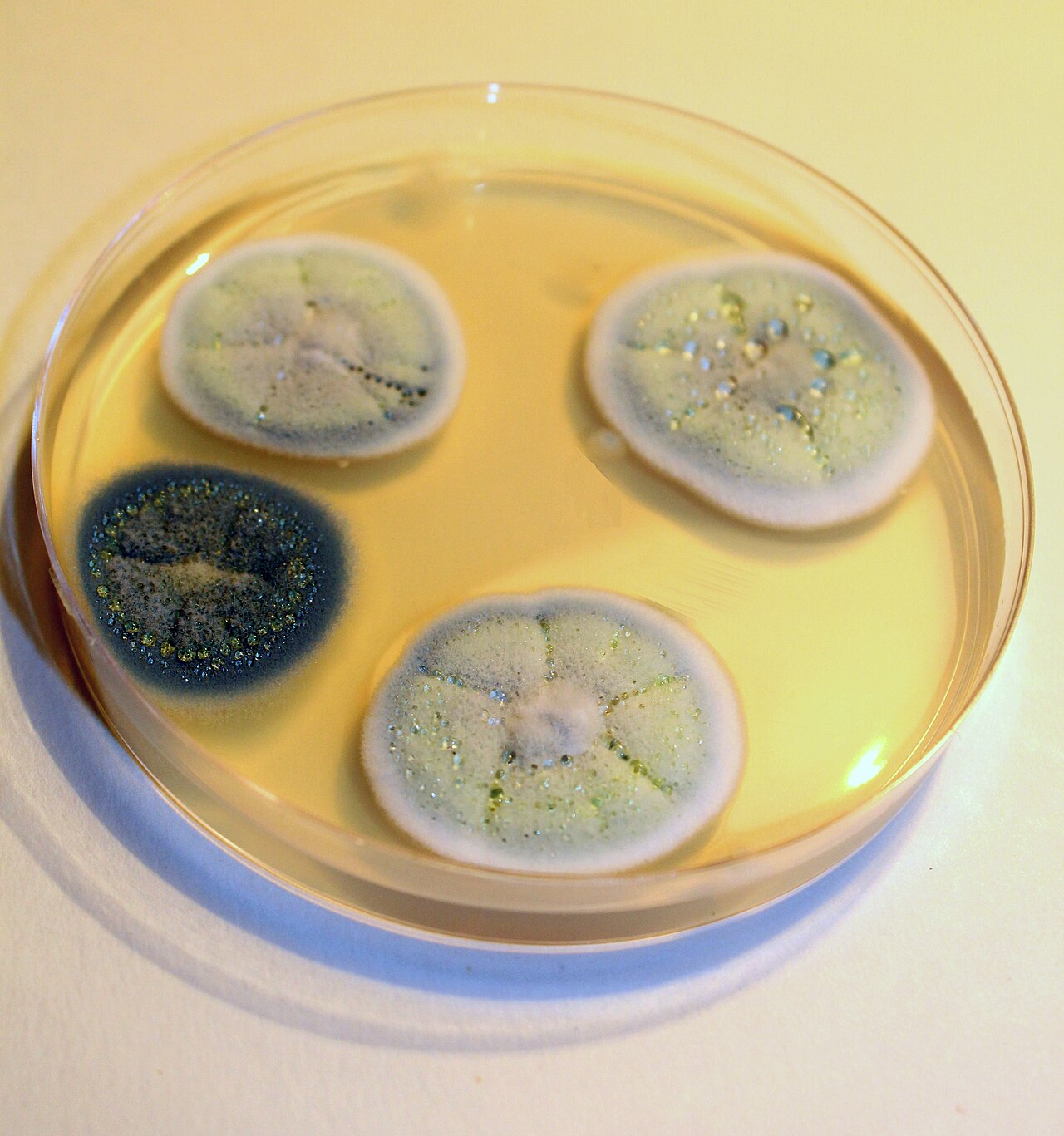
In 1928, at St Mary's Hospital in London, the Scottish scientist Alexander Fleming returned from holiday to find a blue-green mould growing on a dish of bacteria, with no bacteria around it. He identified the mould as a Penicillium and named the substance penicillin. During the Second World War scientists led by Howard Florey at Oxford brought it into treatment, and in 1945 Fleming, Florey and Ernst Chain shared the Nobel Prize in medicine.
Fleming warned in his Nobel lecture that it is bacteria, not people, that become resistant to antibiotics. The report says the main driver now is taking antibiotics without a doctor's advice for minor cuts, coughs, fevers, sore throats or diarrhoea. Farmers are also using antibiotics without control in crops, cattle, poultry, eggs and fish, and the drugs reach people through food.
In October 2025 The Guardian, citing the World Health Organization, reported a sharp global rise in antibiotic-resistant infections in hospitals. Another WHO report found that the pipeline of new antibiotics has stalled.
The situation in Bangladesh is deeper. Citing a 2021 article by Professor Sania Tahmina, former additional director general of the Directorate General of Health Services, the report says a 2015-2019 study found multidrug-resistant 'superbugs' among hospital patients had nearly doubled. Another study at a Dhaka medical college hospital in 2020-21 found all 14 antibiotics in use there ineffective to some degree, one of them by as much as 94 per cent.
The way out, the report concludes, is awareness and cutting careless use: patients, doctors, health workers and the government all have to act.
Photo: Convallaria majalis / Wikimedia Commons (CC BY-SA 4.0)
Source: Prothom Alo


Comments
(0)