
The Food and Agriculture Organization of the United Nations (FAO) marked the first International Coffee Day on 1 October at its headquarters in Rome, under the theme "Celebrating Coffee, Honouring the People Behind Every Cup". The UN General Assembly designated the day on 10 March 2026.
Coffee supports the livelihoods of up to 25 million farmers worldwide, FAO says, and smallholder farms are estimated to make up as much as 80 percent of all coffee farms. In 2024 world coffee bean production passed 11 million tonnes and global trade was worth more than $34 billion. Brazil and Viet Nam together grew nearly half the world's coffee and were the top exporters, while the European Union and the United States were among the largest importers.
Opening the observance, FAO Director-General QU Dongyu said a more resilient coffee sector needs investment in sustainable and climate-smart production, better access to innovation and technology, and more opportunities, especially for smallholder farmers. He reaffirmed FAO's partnership with the International Coffee Organization in support of the sector.
FAO lists the pressures growers face as climate variability, market volatility, economic shocks and unequal income along the value chain. Coffee also brings jobs and income beyond the farm and is a critical source of export earnings for many low- and middle-income countries.
Because 2026 is the International Year of the Woman Farmer, the day also recognised women as producers, processors, entrepreneurs, traders and leaders in coffee, who still meet barriers in getting land, finance, technology, services and markets. The observance coincided with the 28th Session of the Committee on Forestry, which FAO used to point to the links between coffee, forests and agroforestry.
Representatives of Brazil, Ethiopia, Indonesia and Italy spoke about their coffee sectors, and thirteen countries, from Bolivia and Colombia to Ethiopia, Indonesia and Turkiye, offered tastings of their coffees at the event.
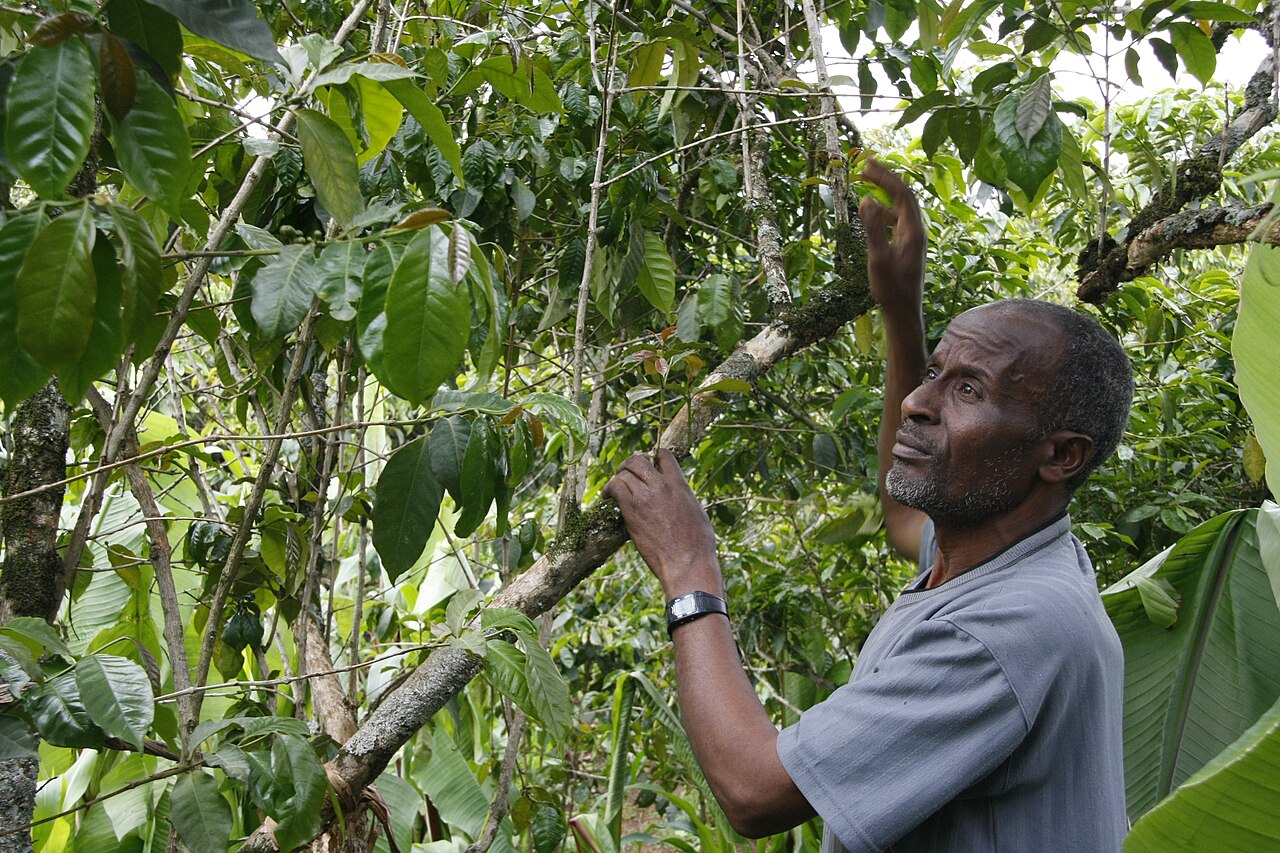
Photo: DFID - UK Department for International Development / Wikimedia Commons (CC BY 2.0)
Source: FAONewsRoom
Comments
(0)