
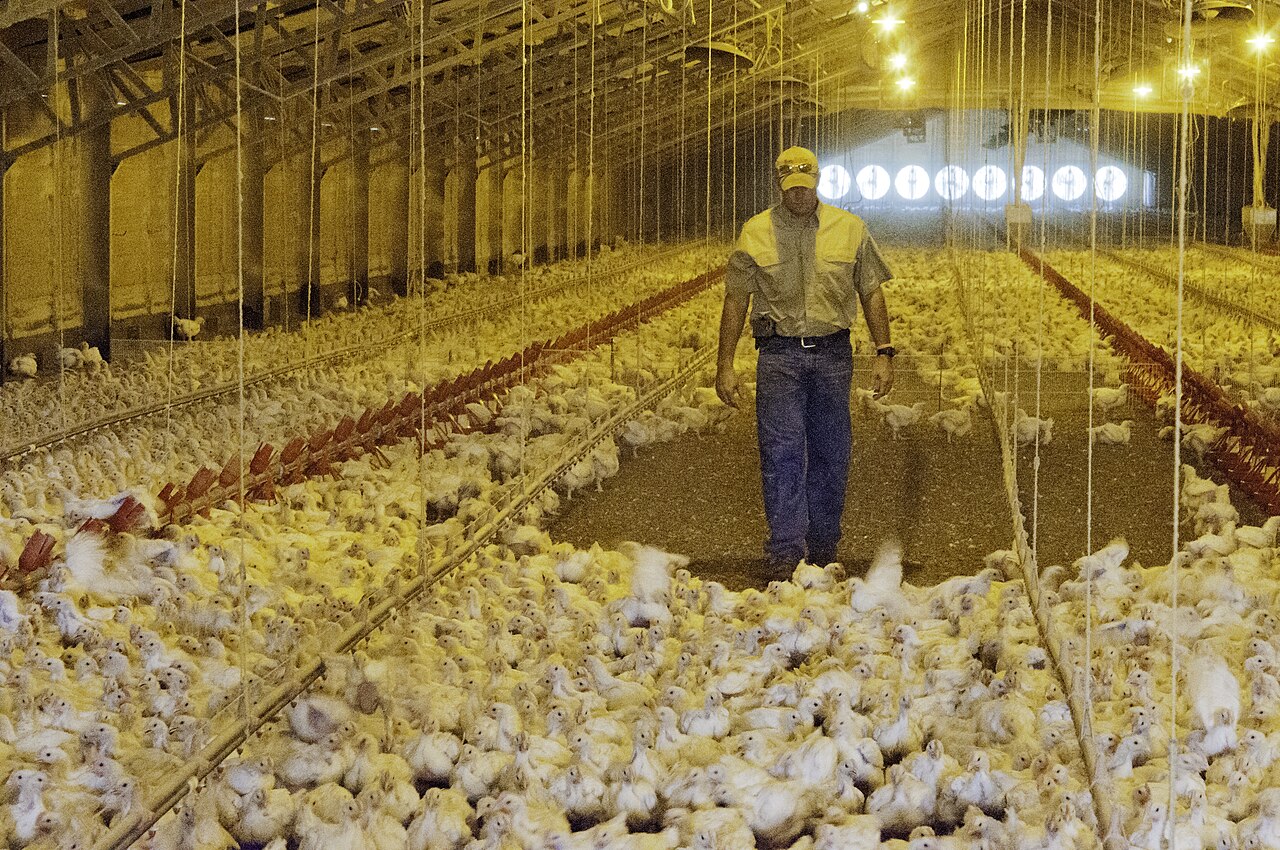
The Foundation for Food & Agriculture Research (FFAR) and Entomol Products are investing $448,940 to test whether fogging poultry houses with a plant-based oil can reduce the spread of avian influenza, The Fence Post reports.
The problem is severe: H5N1 bird flu spreads rapidly among birds, causes high mortality in its highly pathogenic form and forces the depopulation of infected flocks, with heavy economic losses for US poultry and egg producers. "Producers need practical solutions to reduce avian influenza transmission that work with existing infrastructure to protect their flocks and limit losses," said Jasmine Bruno, FFAR's scientific program director.
The Rapid Outcomes from Agricultural Research (ROAR) grant will test intermittently fogging or misting hydrogenated catmint oil (HCO), a modified plant essential oil that is an EPA-registered active ingredient in commercial insect repellents. Earlier research found aerosolised HCO formulations significantly reduced H1N1 influenza virus in the air.
The work is led by David Hallahan, chief science officer at Entomol, and Ekramy Sayedahmed, assistant professor of poultry medicine at Purdue University, who are using low-pathogenic avian influenza to evaluate HCO's antiviral effect. Because fogging is already widely used in poultry houses, FFAR says the approach could fit existing equipment. "This FFAR-supported project will allow us to rigorously evaluate its potential as a practical biosecurity tool for poultry producers," Hallahan said.
FFAR's ROAR programme funds rapid research on emerging threats to the food supply; the project supports USDA's priority of raising farm profitability and aims to strengthen readiness for bird flu outbreaks.
Photo: USDA / Wikimedia Commons (public domain)
Source: The Fence Post



Comments
(0)