
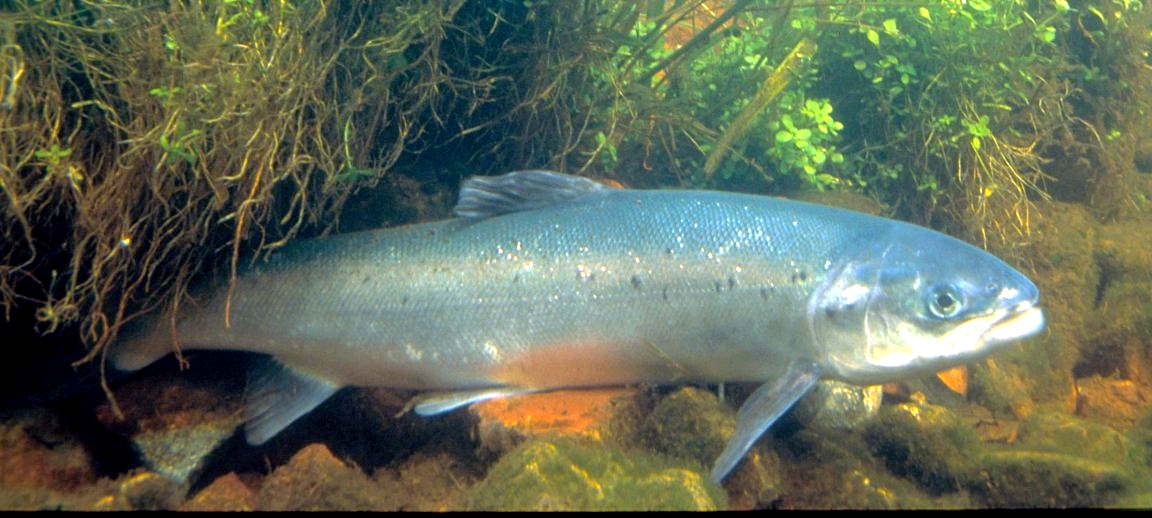
Fetal bovine serum, a cell-culture remnant in some vaccine manufacturing, is a primary contributing factor in a spinal deformity of farmed Atlantic salmon, according to a study published in the Journal of Fish Diseases and announced by Merck Animal Health, where its lead author works.
The condition, cross-stitch vertebrae, is linked to reduced growth, poorer fillet quality and compromised welfare. Earlier industry observations had tied it to certain salmonid alphavirus (SAV) vaccines, so the study compared five oil-adjuvanted formulations with and without an inactivated SAV antigen and the serum, to isolate the cause.
Fish given vaccines containing the serum showed cross-stitch vertebrae in up to 51.7 percent of cases and gross spinal pathology in up to 39.2 percent. In fish given serum-free vaccines, including those containing the SAV antigen, cross-stitch vertebrae ranged from 0 to 1.0 percent. Fish with 10 or more consecutively affected vertebrae had significantly lower slaughter weights.
"Our findings unequivocally show that removing FBS from the vaccine formulation virtually eliminates the risk of these specific deformities," said lead author Ragnar Thorarinsson, a senior research scientist at the company.
Readers should note the commercial interest: the research comes from a vaccine maker, and the company has recently launched AQUAVAC S7, a vaccine it says is built without the serum.
Photo: William W. Hartley / Wikimedia Commons (Public domain)
Source: Global Agriculture


Comments
(0)