
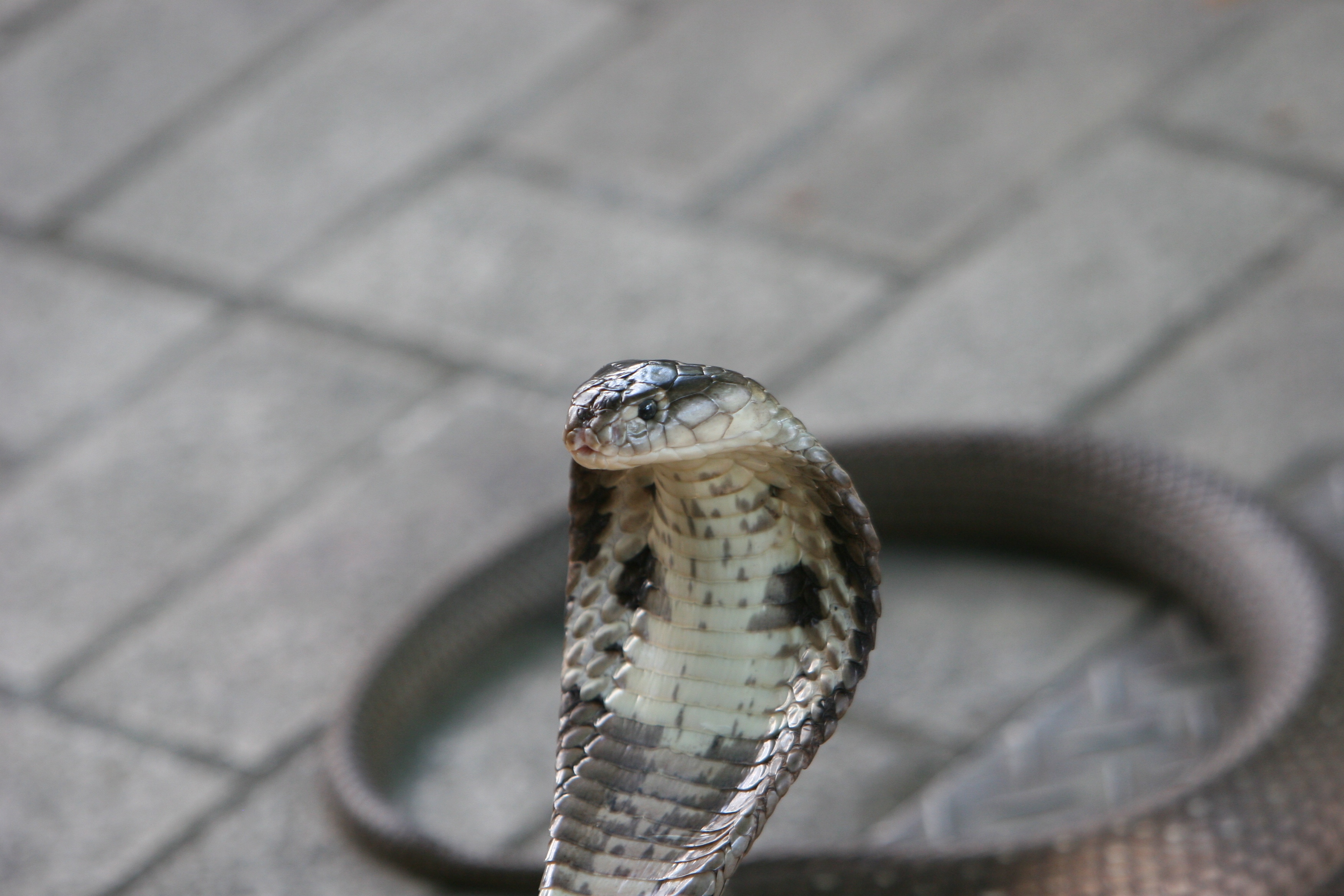
A housewife, Rokeya Akter Rina, 48, died after being bitten by a venomous snake on the afternoon of Friday 11 July 2025 in Solia village, in the Parshuram municipality area of Feni. Jagonews24 reported that day that she was the wife of Shafiqul Islam Shahid of the village, and that she was bitten while cooking after several days of floodwater had receded.
Bitten in the kitchen, dead before reaching hospital
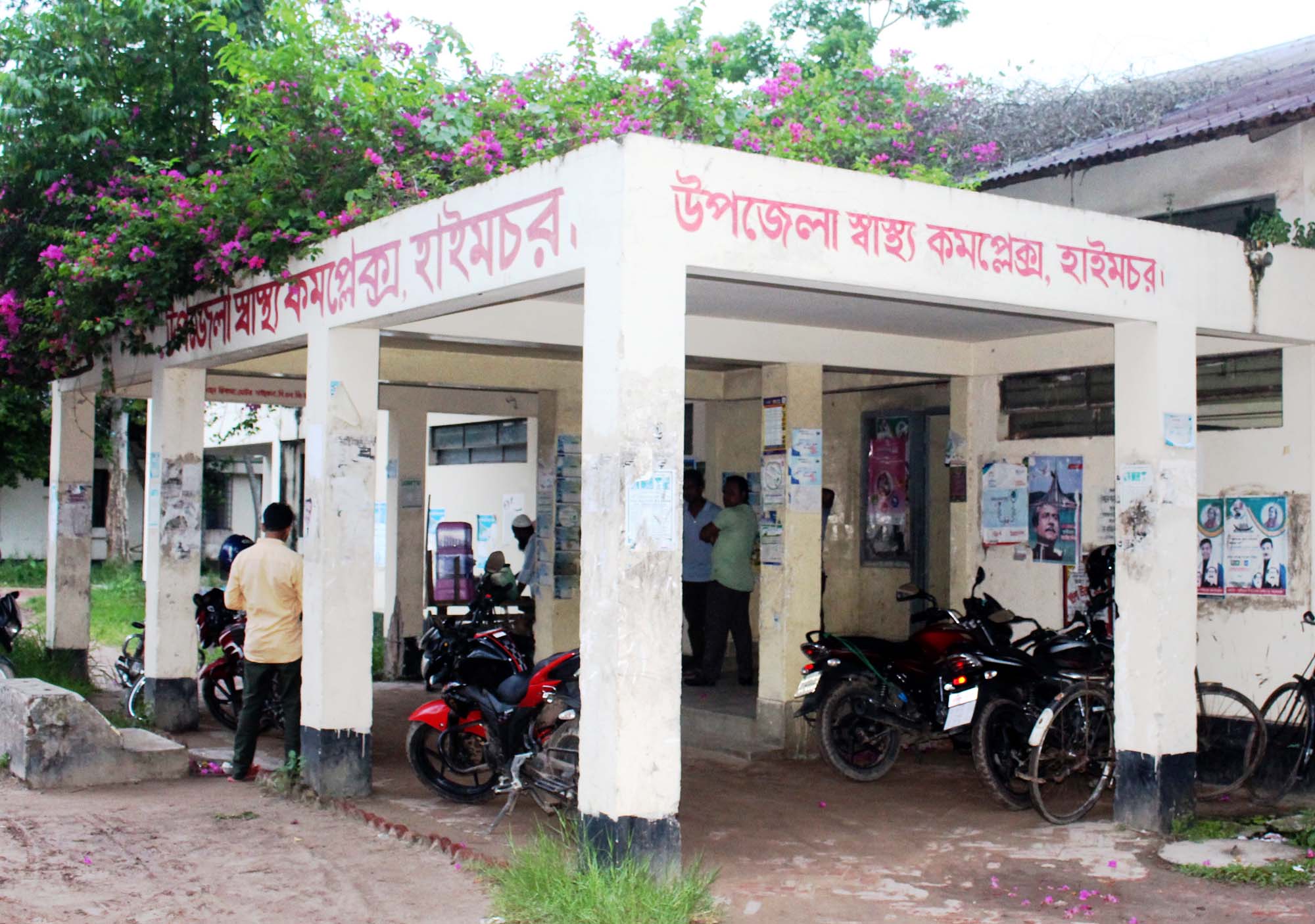
Citing local people and family members, the report said Rokeya went into the kitchen to cook once the floodwater had dried up. At about 5pm, a venomous snake came out of a hole in the room and bit her on the leg. Hearing her scream, her husband Shafiqul Islam took her first to the Parshuram Upazila Health Complex. According to the family, she was then taken to Feni General Hospital without being treated there, and a doctor declared her dead.
Dr Md Redwan, resident medical officer (RMO) of Feni General Hospital, confirmed that she had died of snakebite and said she died before reaching the hospital.
The civil surgeon's account
Feni civil surgeon Dr Mohammad Rubahayat Bin Karim gave a different account. He said Rokeya Akter Rina came to the Parshuram Upazila Health Complex for snakebite treatment and was treated at once. Her relatives then asked for a discharge, saying they would take her to Feni for treatment. When her condition worsened in the meantime, the doctor began preparing antivenom. According to the civil surgeon, once the antivenom was ready her husband asked for her to be referred to Feni and signed a written statement that further treatment would be done there. She died on the way to Feni.
Parshuram in the July flood
Parshuram is an upazila of Feni district in Chattogram division. It covers 95.76 square kilometres, is made up of one municipality and three unions, and had 113,317 residents at the 2022 census.
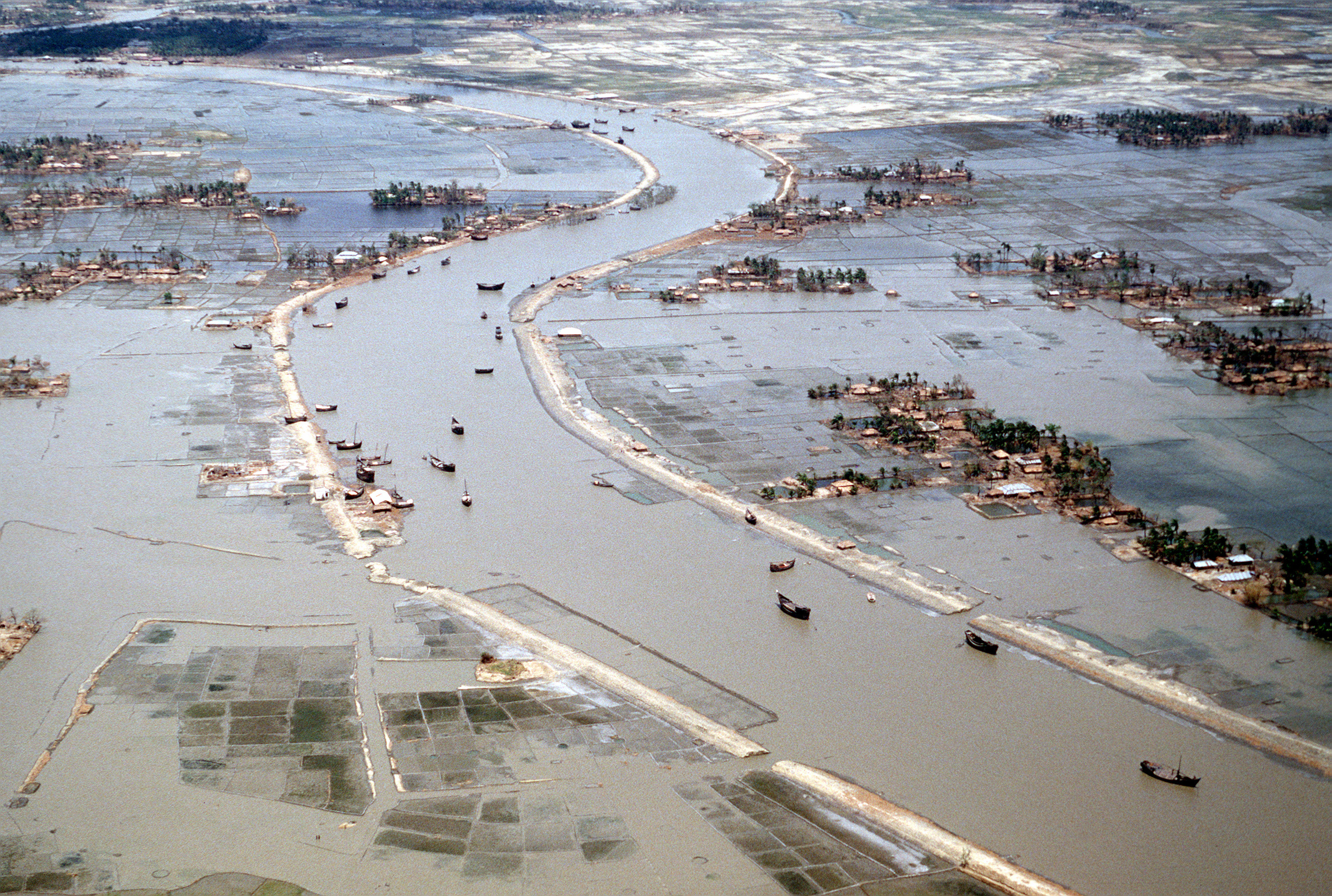
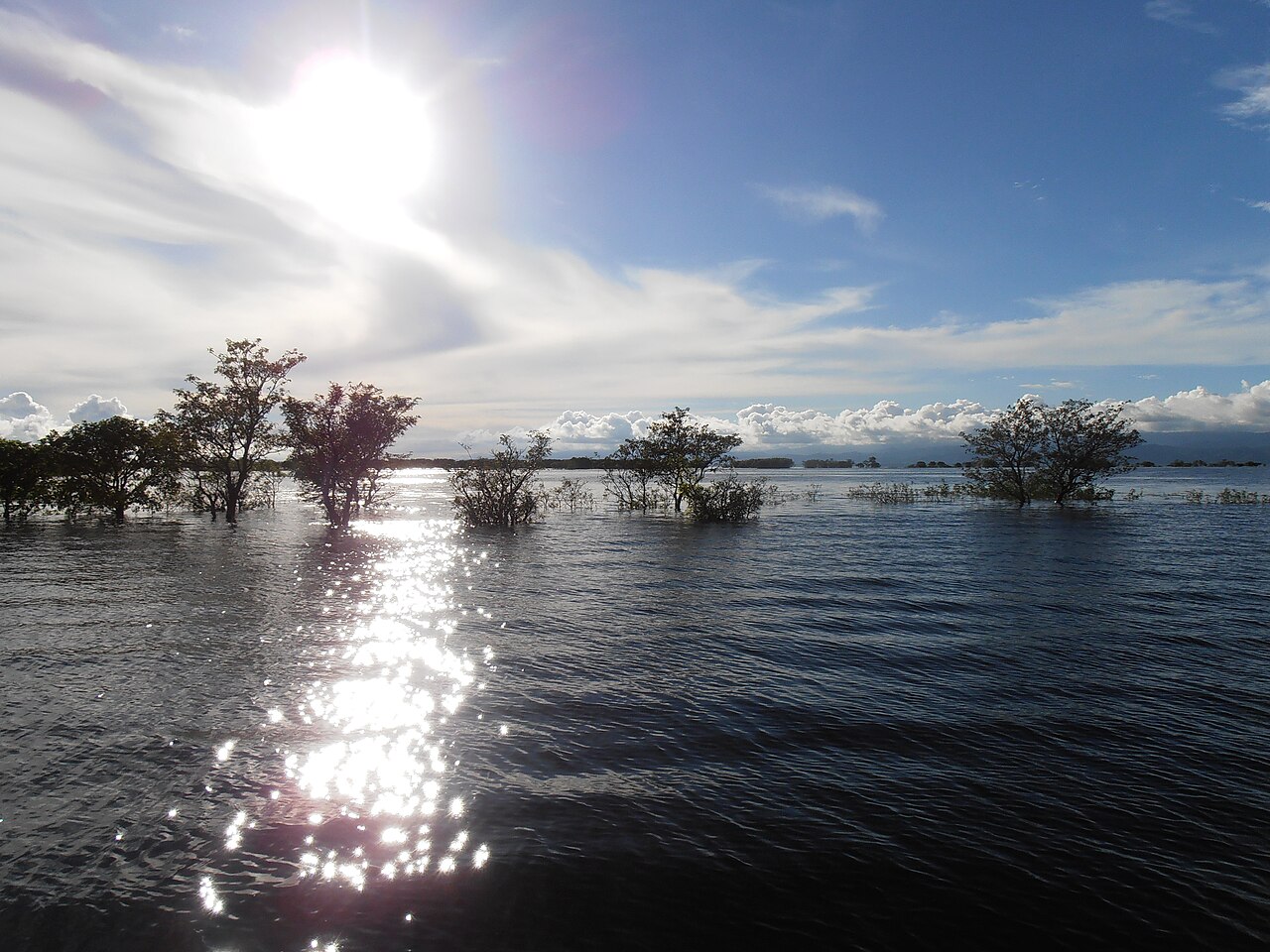
Heavy rain and water from upstream brought floods to Feni in early July 2025. On 8 July the Bangladesh Sangbad Sangstha (BSS) reported that the Meteorological Department's Feni station had recorded 440 millimetres of rain in 24 hours, that the Muhuri was flowing 137 centimetres above the danger level, and that the Muhuri-Kahua flood control embankment had breached at five points, flooding Parshuram and Fulgazi upazilas. On 11 July The Daily Star reported 21 breaches in embankments along the Muhuri, Kahua and Silonia rivers, more than 100 villages flooded across Parshuram, Fulgazi, Chhagalnaiya and part of Sadar upazila, and around 7,000 people in 50 shelters. With the rain easing, conditions in Parshuram were improving that day.
Snakebite in Bangladesh
Citing a July 2023 national survey by the Directorate General of Health Services, the Dhaka Tribune reported that more than 400,000 people in Bangladesh are bitten by snakes each year and at least 7,511 die, and that 95 percent of victims live in villages. The same report said that because not every upazila-level government hospital has antivenom, many patients have to travel to city hospitals, which delays treatment.
A study of rural Bangladesh published in PLOS Neglected Tropical Diseases in 2010 found that 71 percent of bites were to the lower limbs and 12 percent happened inside the home. July, in the monsoon, accounted for 15 percent of the bites recorded.
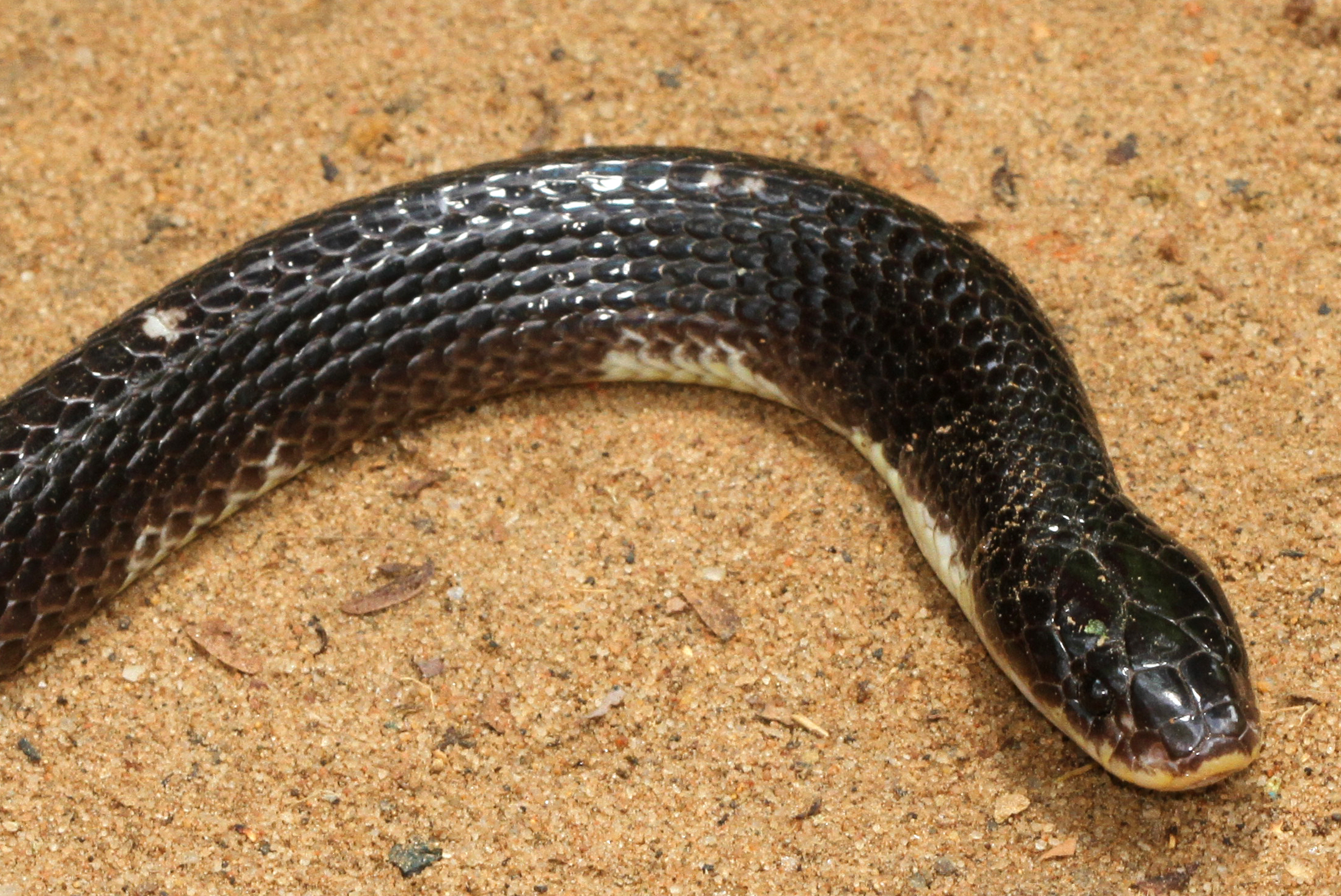
According to World Health Organization (WHO) guidance from 2019, the right antivenom is the most effective treatment for a life-threatening snakebite, and it works best when given as soon as possible after the bite, because many effects of venom cannot be reversed. WHO advises:
- Keep the bitten person still and do not let them move around.
- Take them to medical care without delay, ideally lying on their side on a stretcher.
- Do not use narrow tourniquets, cut the wound or apply chemicals such as potassium permanganate.
- Keep grass short and clear around homes, along paths and where children play.
Photo: Thomas Jaehnel / Wikimedia Commons (CC BY 2.0)
Sources: Jagonews24, The Daily Star, Bangladesh Sangbad Sangstha (BSS), Dhaka Tribune, PLOS Neglected Tropical Diseases, World Health Organization (WHO), Wikipedia

Comments
(0)