
Farm borrowing in the United States is getting more expensive after the Federal Reserve raised its benchmark rate by a quarter point on 16 September, to a target range of 3.75 to 4 percent, its first increase in three years, Capital Press reports from Idaho. Variable-rate operating lines used by farmers and ranchers will typically rise by about the same amount, said Doug Robison, president of AgWest Farm Credit Idaho.
Robison said the Fed acted on persistent inflation, including higher oil prices linked to the Iran war; energy's contribution to annual consumer inflation rose by about 0.94 percentage points between December and August, while overall inflation climbed from 2.7 to 3.4 percent. Higher energy prices push up the cost of fuel, fertiliser and chemicals, he said, though rising prices for several farm commodities may create openings in some sectors.
Idaho's farm sector spent more than $700 million on interest in 2025, against about $400 million in 2021, according to USDA figures cited by Xiaoli Etienne, a University of Idaho professor of commodity risk management. "This quarter point is going to keep adding to this record-high expense," she said, warning of the effect on farms with tight cash flow. Fed officials expect to raise rates again by the end of the year.
Etienne advises farmers to lock in some fixed-rate financing where possible, buy part of their fertiliser this autumn and apply only what a soil test shows is needed. American Farm Bureau Federation economist Faith Parum noted rising farm debt as many commodity prices fail to keep up with production costs; the USDA's Farm Service Agency obligated $6.74 billion across 27,792 farm loans in fiscal 2025, up 25 percent in value from 2024.
Lenders say they will not pull back. "We won't be hasty but will work with producers as long as we and they can have a long-term strategy," said Lance Zollinger, a farmer and regional president of Cache Valley Bank, who called current margins as tight as he has ever seen. Rodney McArthur, chief financial officer of the Valley Wide Cooperative, said higher rates raise the cost of carrying both operating debt and investment in equipment, buildings and technology.
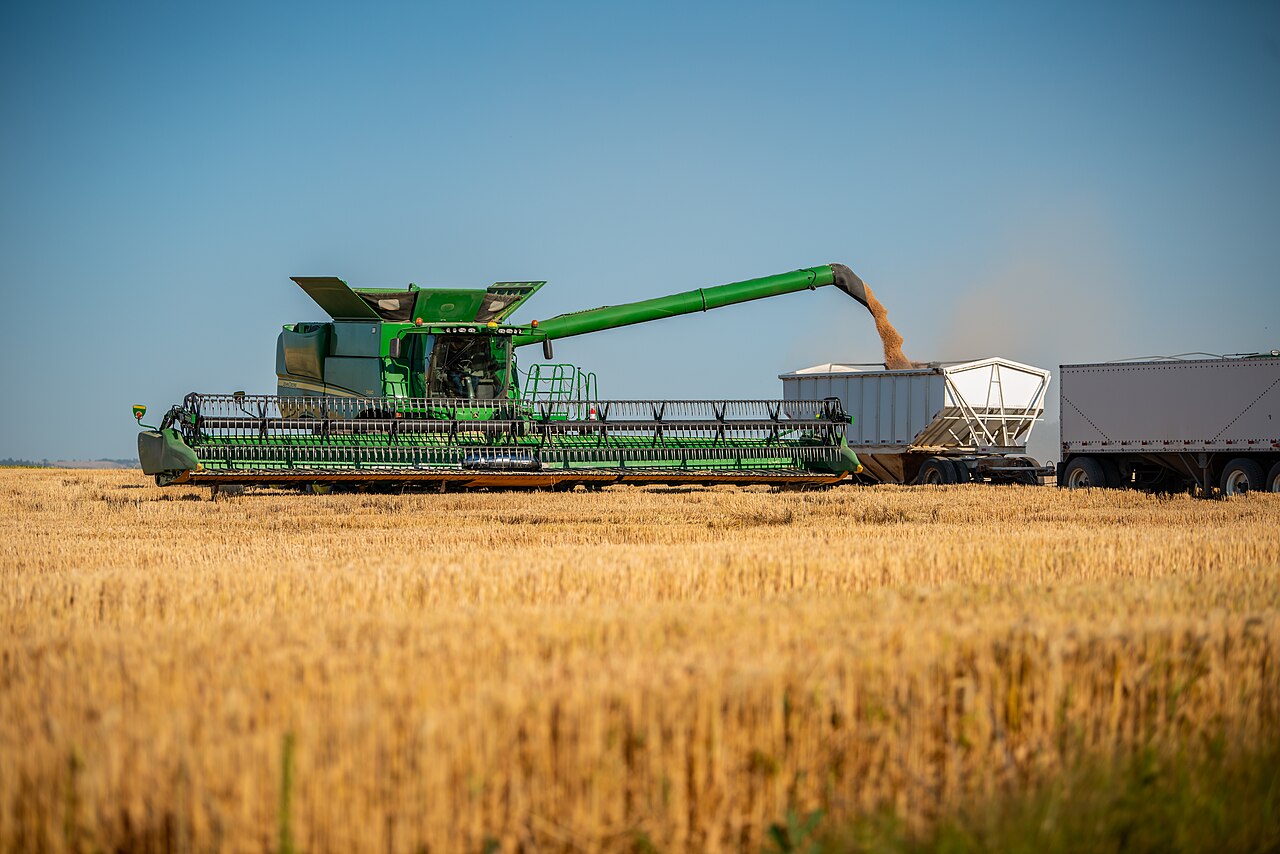
Photo: U.S. Department of Agriculture / Wikimedia Commons (Public domain)
Source: Capital Press
Comments
(0)