
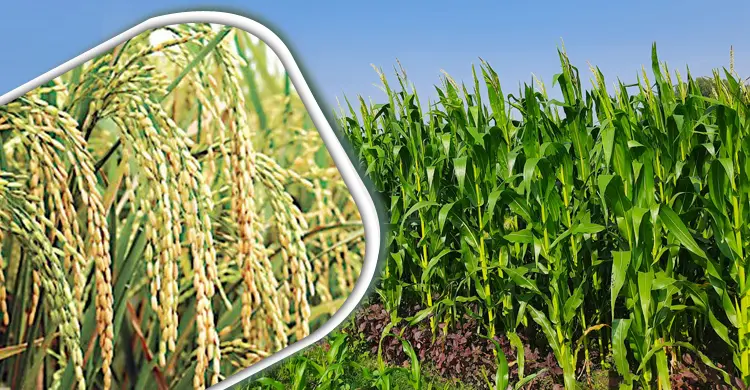
Azhar Mia is a farmer in Jamalpur, Joypurhat. Every winter he used to grow cauliflower and radish on about one and a half bighas beside his house. This year he has planted maize there, because he did not get a good price for vegetables last year.
"Last year maize sold at Tk 2,500 a maund, while vegetables fetched three to four hundred taka. Even when the yield is good, we don't get a price for cauliflower and radish at the height of the season. We can't even cover costs. That's why I've changed crops this year," Azhar said.
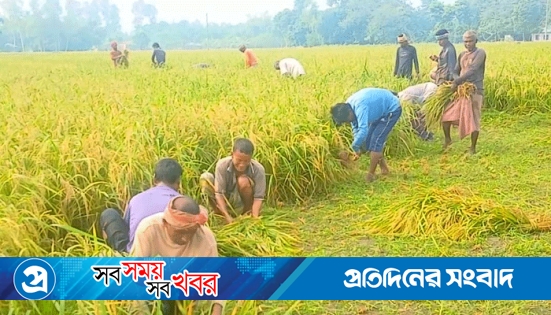
Moinul, a farmer in Paharpur village of Naogaon Sadar upazila, is in the same position. He grew Aman instead of winter vegetables, a decision he took because of fears of a food shortage. "I'd heard there would be a famine in the country, so I planted paddy. After harvesting the Aman I'll plant mustard. I'm not growing vegetables this time," he said.
Vegetable area falls
Government statistics also suggest vegetable production could suffer this year. They show that in this Rabi season most farmers in Bangladesh have turned to paddy and maize for profitable prices, and vegetable cultivation has fallen.
The Department of Agricultural Extension (DAE) says 4.28 lakh hectares had been planted with vegetables by the same time last year, against 3.67 lakh hectares this year. Even near the end of the Rabi season, vegetable planting stands at 60 per cent of the government's target of 6.13 lakh hectares.
Potato, the main vegetable, has also been planted on less land: 1.17 lakh hectares so far across the country, against 1.21 lakh hectares at the same time last year.
Meanwhile, Aman cultivation this season has risen from 56 lakh hectares to 58 lakh hectares, and maize land from 1 lakh hectares to 1.47 lakh hectares.
Professor Gazi MA Jalil of the Department of Agricultural Management at Bangabandhu Agricultural University told Jagonews that farmers were keen to grow profitable crops for two reasons, and so did not consider vegetables the right choice this year. First, there was concern about food security in the country, which drew more interest to paddy. Second, the rising trend in grain and maize prices encouraged farmers to grow them.
Growers say prices don't cover costs
Growers say the same. Consumers always pay high prices for vegetables, but farmers do not get them. At the height of the season, vegetable growers often struggle even to recover their production costs, let alone make a profit. On one side, the costs of seed, fertiliser, pesticides, transport and labour have risen; on the other, the grip of middlemen in the market deprives them of profit.
Azhar Mia said that at the height of the season cauliflower sometimes sells for Tk 1–2 a piece, which happens almost every year. It is better then to feed them to the cows than sell them. Radish drops to Tk 30–40 a maund, which does not even cover transport.
Yet ordinary people in the capital or other towns can never buy vegetables that cheaply. Even at the height of the season, a cauliflower or radish costs at least Tk 10 to 15, and several times more at the start of the season.
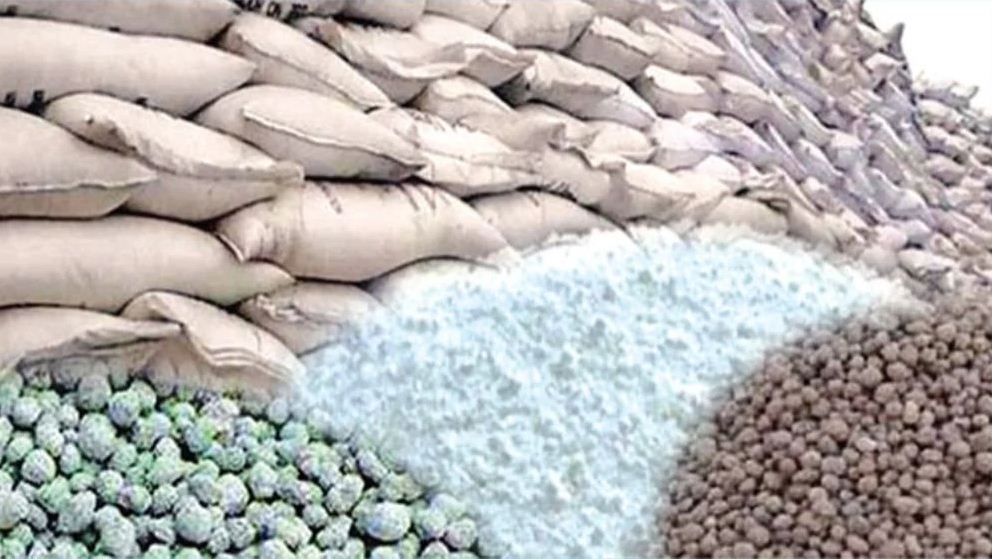
Farid Hossain, another grower in Jamalpur, said the cost of growing vegetables has risen sharply. Pesticide used to be applied to a vegetable field once a fortnight; now pest and disease attacks have increased so much that it has to be applied every two days, and its price has risen several times over. Vegetable seed prices have also gone up.
He said he had wanted to grow carrots on some land this year, but the seed price had risen by Tk 5,000 a kg from last year, to Tk 21,500 at the start of the season, so he could not buy it. Other seeds were also expensive, he said.
Source: Jagonews24. First published in Bengali on The Agro News.
Comments
(0)