
A farmers' organisation in Atpara upazila of Netrokona district has built what it calls a crop hospital, where growers are given remedies for diseased crops, its organisers said. As BBC Bangla reported on 2 June 2026, it advises farmers to control pests and disease by natural means rather than by spraying pesticide.
"When farmers come to our hospital with a sample of a diseased crop, we advise them which medicine is needed for which disease, and how to make and use it," Abdul Wadud Khan, one of those who runs it, told BBC Bangla. The advising is done by a few trained members of the farmers' association, he said.
A haor farmers' idea from 2010-11
The hospital was founded about a decade and a half ago by the Baghra Haor Farmers' Association (Baghra Haor Krishak Samiti). Mr Khan said the idea took shape around 2010-11 as members discussed pest problems in their fields. "We also talked to the elders then, the ones with a lot of farming experience," he said. "Then we thought that if there are hospitals for people and for animals, there could be one for crops."
The main aim, he said, was to encourage farmers to see that a crop can be kept free of disease and kept safe without fertiliser or pesticide.
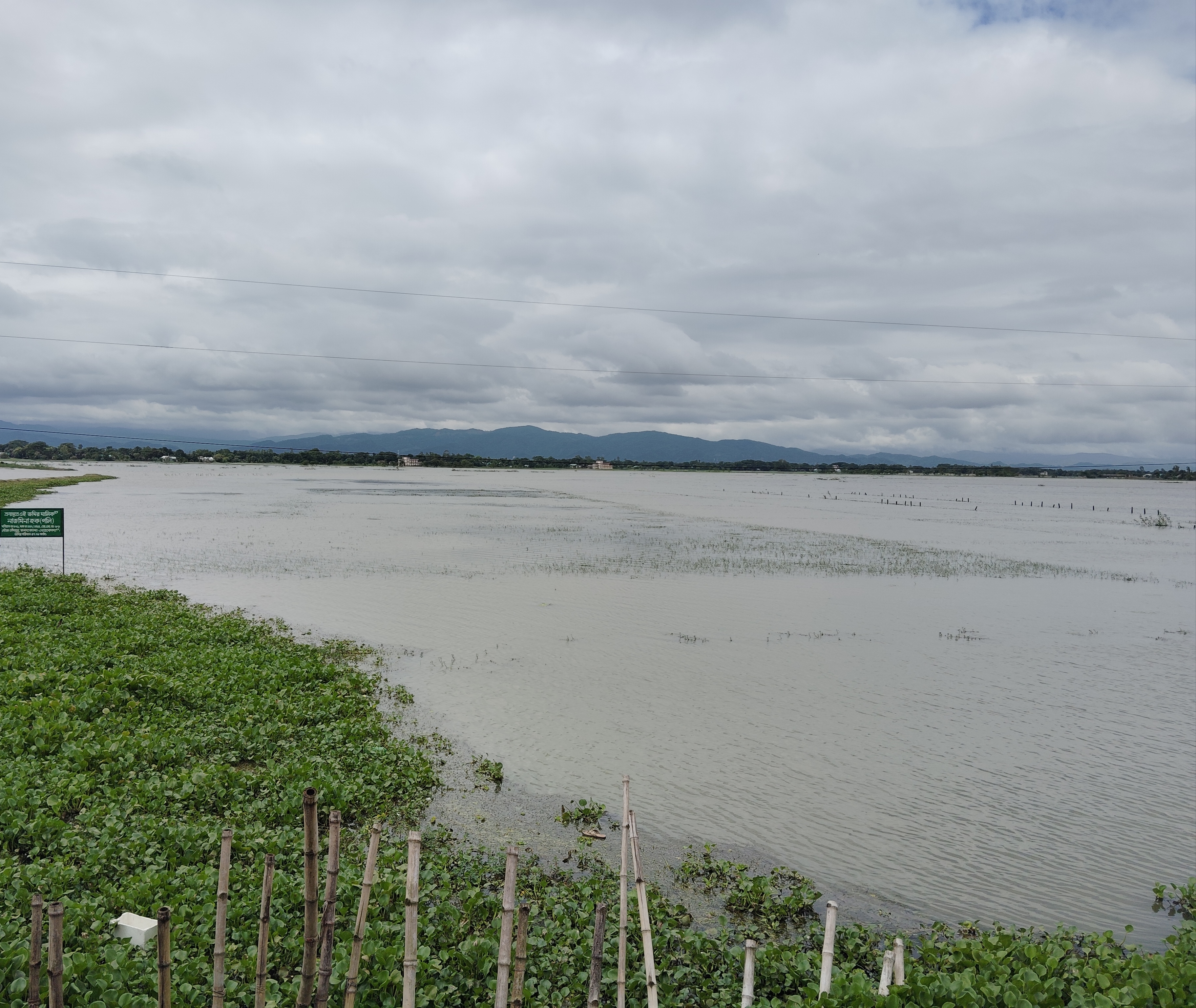
Atpara is the smallest upazila of Netrokona district in Mymensingh Division, with a population of 144,855 at the 2022 census. A haor is a bowl-shaped wetland of north-eastern Bangladesh that floods in the monsoon; in the dry season its exposed land is commonly used for boro rice.

Trained advisers for five subjects
Sayed Ahmed Khan Bachchu, another farmer involved, said that when a crop is attacked the hospital advises which pest remedy is right and how to prepare it. "We have given special training to five to seven people. Each of them is trained in a different subject," he said. They cover five subjects, among them crop varieties, pest control and variety conservation.
Mohammad Noim Mia, a local farmer who works with the hospital, said that besides pest remedies and organic fertiliser they also work on conserving crop varieties.
The hospital is supported by the non-governmental organisation BARCIK. Its Netrokona regional coordinator, Ohidur Rahman, said the trained advisers follow a chart they drew up of how each disease can be treated. "The whole thing is really natural and environment-friendly. It is helping to protect the quality of the soil," he said. Those who run it, he added, farm without pesticide themselves.
Vegetable growers come most, rice farmers least
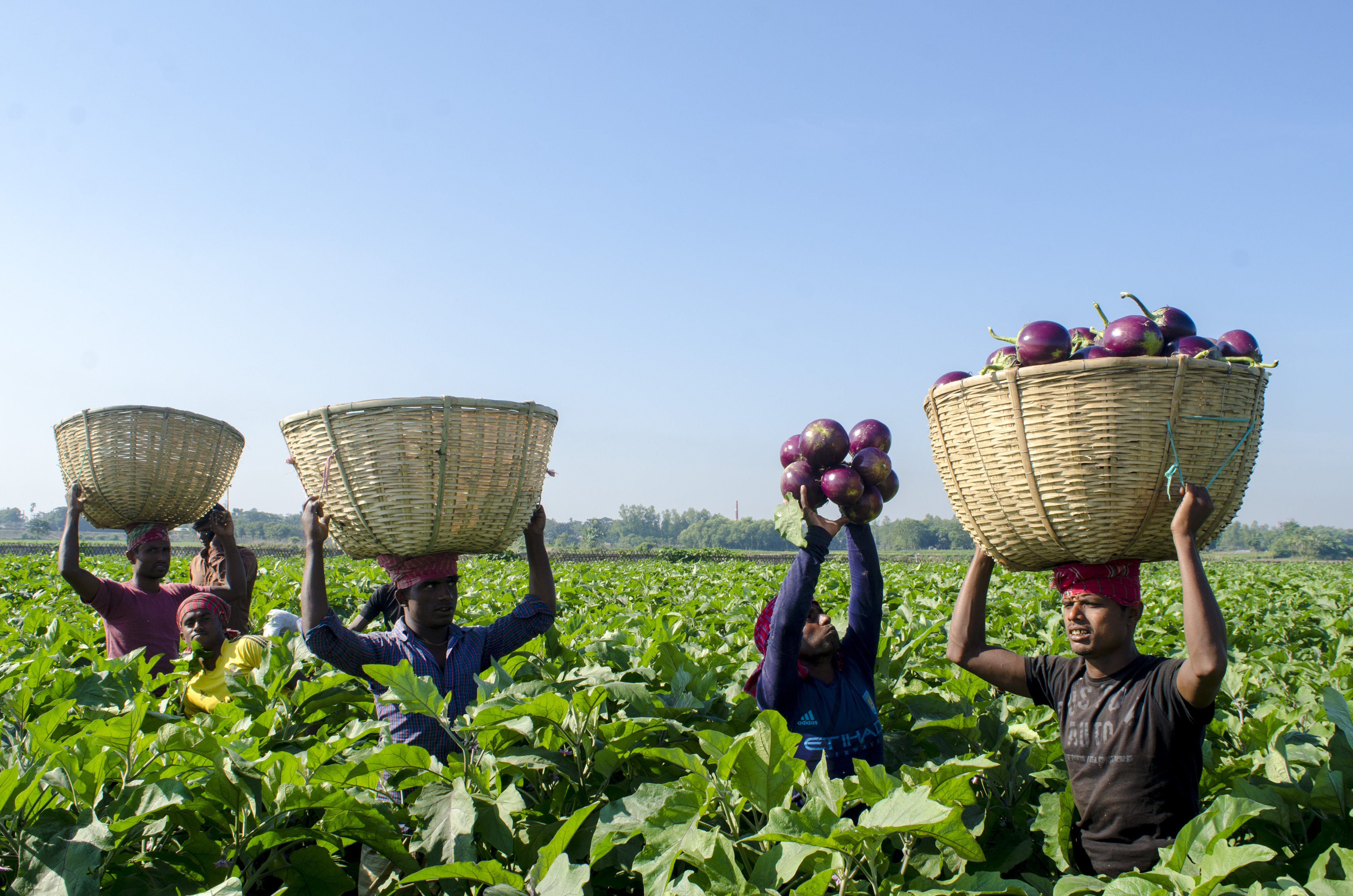
According to Mr Rahman, vegetable growers come to the hospital most often and get both advice and practical help. Rice farmers come less, the organisers said, because they prefer to rely on pesticide, but for many other crops farmers come regularly for advice.
The government extension service knows of the scheme. Md Amirul Islam, deputy director of the Department of Agricultural Extension in Netrokona, said his office sees any good initiative for farming and farmers as positive. "They came to us. We only told them that those who give advice should give farmers authentic (reliable) advice," he said.
Why cutting pesticide matters
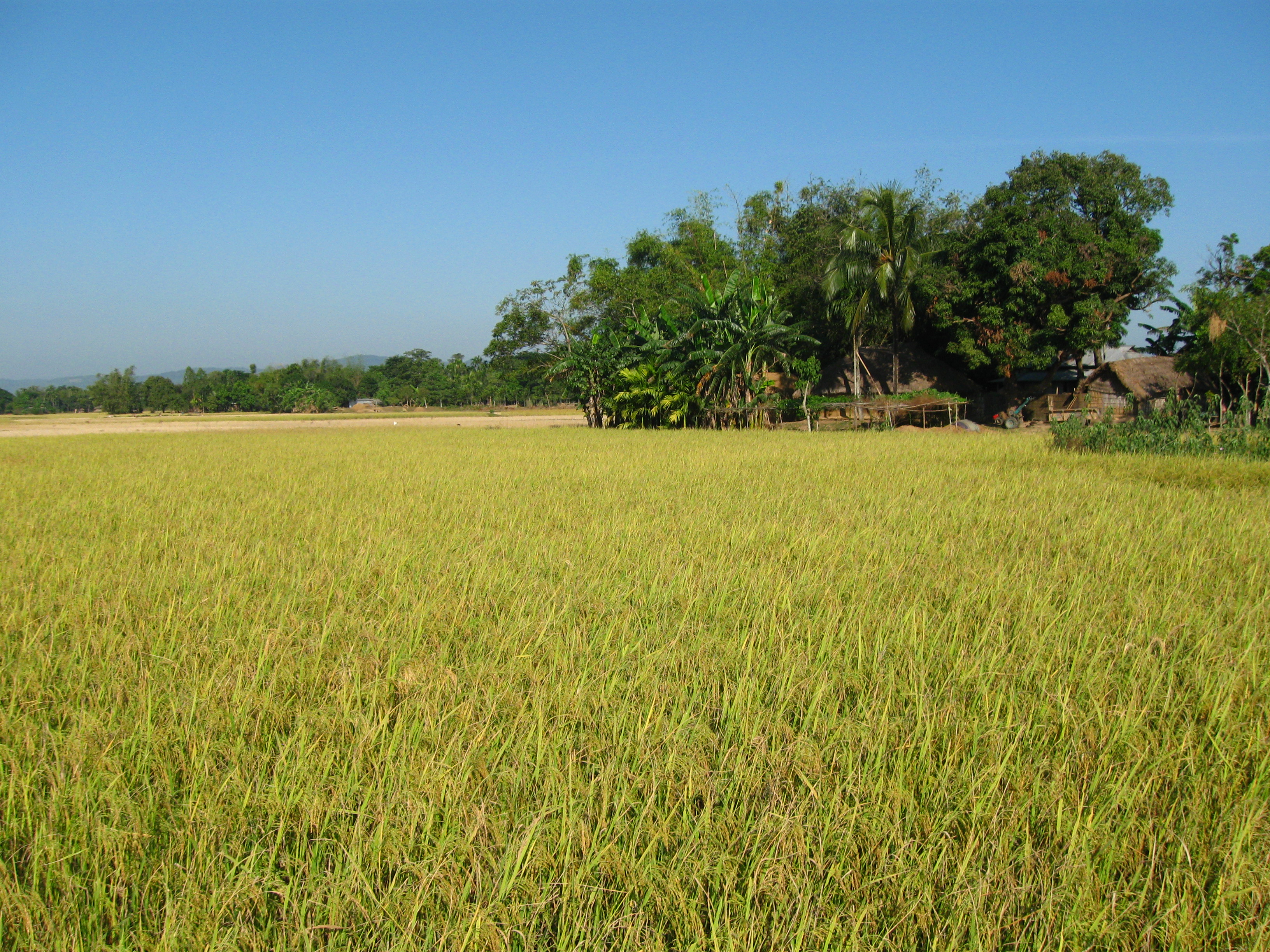
BBC Bangla noted that farmers in Bangladesh depend heavily on fertiliser and pesticide, with fertiliser used especially widely on rice. Agricultural experts say heavy fertiliser use lowers soil fertility, and spraying to kill harmful insects also destroys many useful ones. Public health experts warn that harvesting too soon after spraying is dangerous, and the agriculture department urges moderate use.
The UN Food and Agriculture Organization (FAO) promotes integrated pest management (IPM) with the same goal. In FAO's definition, IPM combines biological, chemical, physical and cultural methods to grow healthy crops while keeping pesticide use to a minimum, reducing the risks to human health and the environment. Less pesticide, FAO says, means fewer residues in food and lower costs.
The organisers of the Netrokona crop hospital say that, even on a small scale, they want to show farmers that good yields are possible with organic fertiliser and natural pest remedies.
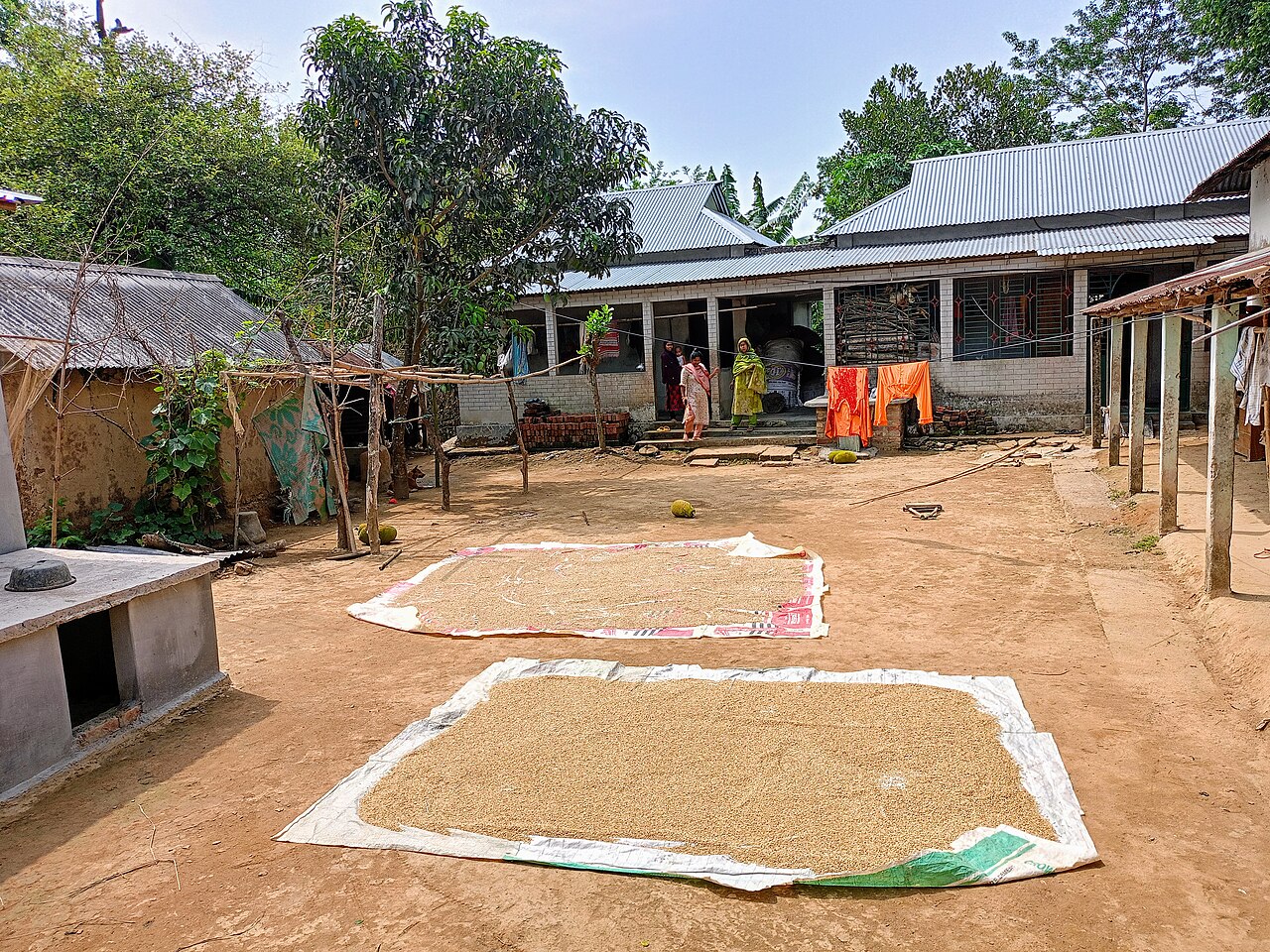
Photo: Redmin / Wikimedia Commons (CC BY 4.0)
Sources: BBC Bangla, Food and Agriculture Organization of the United Nations (FAO), Wikipedia

Comments
(0)