

The biggest problem in Bangladesh's agriculture today is wild swings in the prices of farm produce, which cause farmers losses and sometimes waste, says Dr. F. H. Ansari, group adviser of ACI PLC and president of ACI Agribusiness. Farmers often lack the information to know how much of a crop to grow. The new government must focus on the agricultural value chain, continue subsidies on farm machinery and build a cold chain that both traders and farmers can use, he told Jagonews24 senior reporter Emdadul Haque Tuhin in an interview.
Price swings and information
New potatoes usually sell for Tk 50 to Tk 60 a kg, but this year they are selling for only Tk 8 to Tk 9 in many places, and many farmers are forced to accept that. The main cause, he said, is lack of information: if farmers knew in advance how much of each crop was being produced and how much supply the market would have, they could choose crops accordingly and avoid gluts on fragmented land. He rejected the idea that corporate companies act as middlemen, saying the collectors who bring produce from villages work very hard for little.
What the new government should do
- Focus on the agricultural value chain and increase research and development capacity in the private sector, both for large-scale capacity and for tackling weather-related problems.
- Subsidise organic fertiliser.
- Continue subsidies on rice transplanters and threshers.
- Build post-harvest capacity and more warehouses.
- Build cold chain infrastructure and lease it to the private sector at a set price for farmers.
Machinery and technology
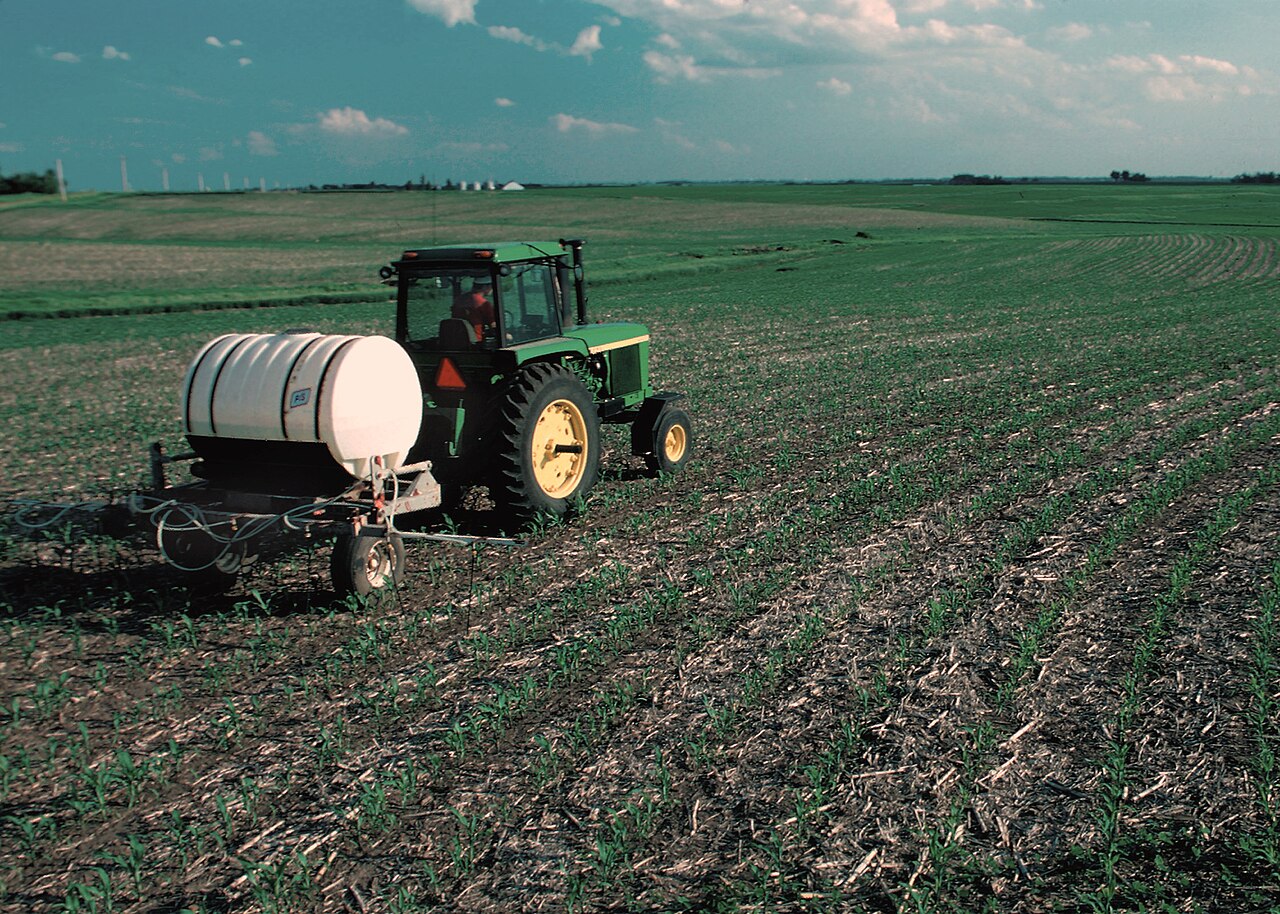
Many machines are now available, from tillage to threshing, but they are expensive and farmers take time to adopt them. With subsidies, agri-entrepreneurs could buy machines and provide services, lowering farmers' costs; small farmers do not need to own machines and can use them as a service, as already happens in many places. Drones, smart farming and digital technology are good, and ACI has started using them in some areas, he said, but they are new to farmers, who will adopt them quickly once they see the benefits.
Business and outlook
Contract farming already exists in seed production, poultry and increasingly livestock and will expand. The main barrier to exports is limited air cargo space and high freight. ACI's growth is above 15 percent, but profits have fallen as the US dollar rose from Tk 88 to Tk 124 and interest rates reached about 15 percent. ACI has invested across the value chain in technology, processing and forward linkages, and plans to invest more in high-tech agriculture such as precision agriculture.
Source: Jagonews24. First published in Bengali on The Agro News.

Comments
(0)