
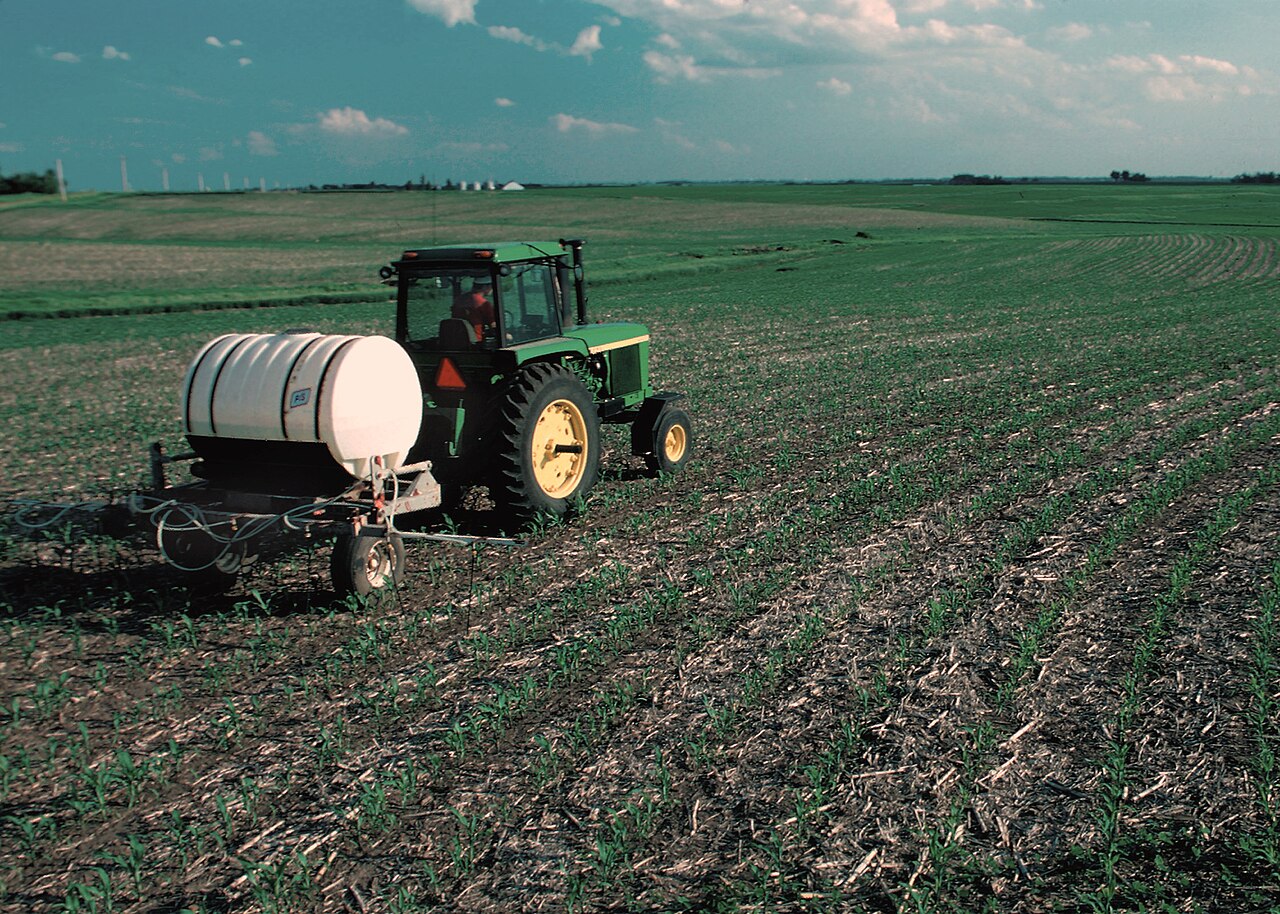
Researchers from several US universities have begun a four-year project to find out why some corn plants stay upright until harvest while others bend or break, a problem known as stalk lodging that costs farmers billions of dollars a year worldwide, according to Clemson University researchers quoted by Farms.com.
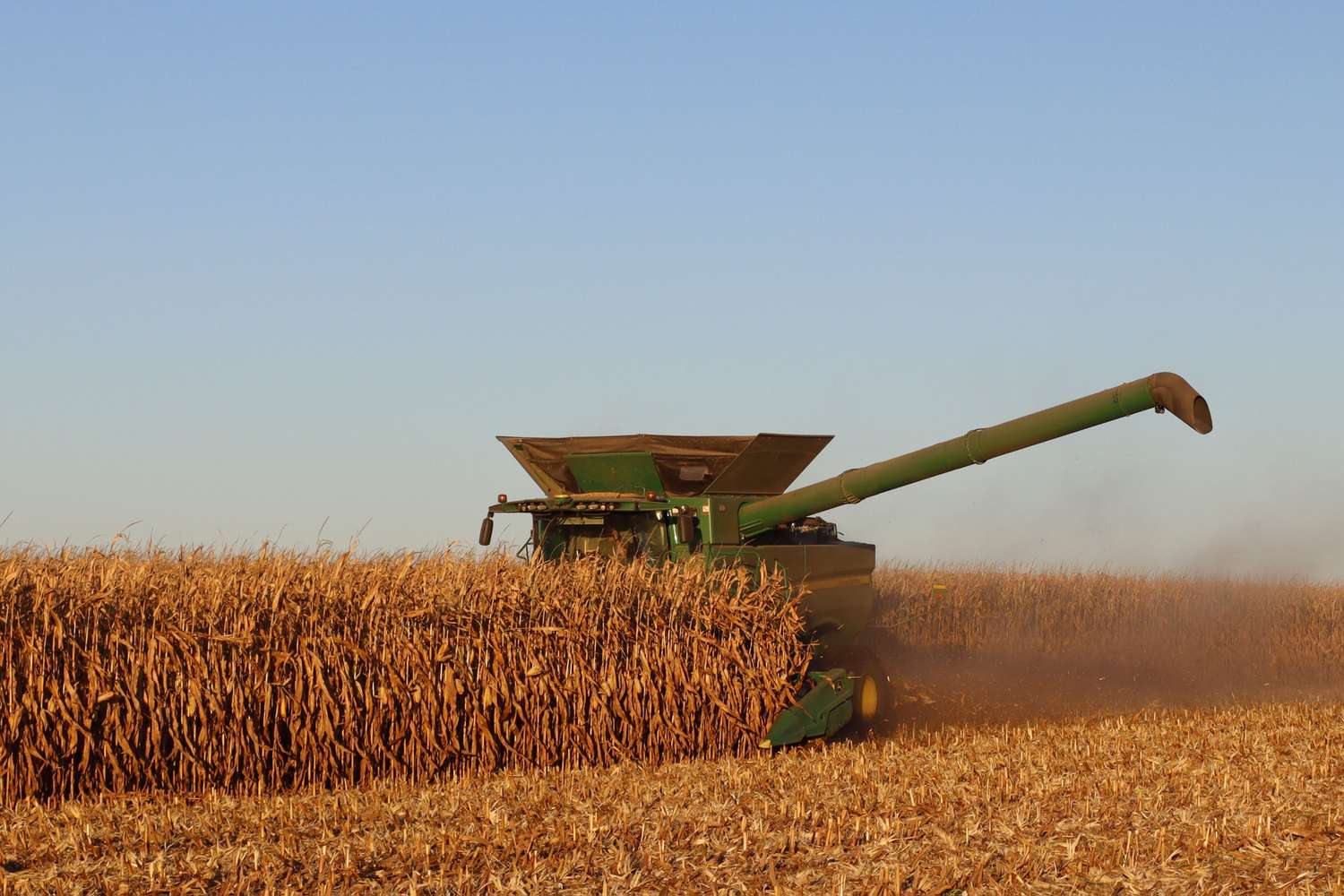
Stalk lodging happens when mature plants fall over in strong winds, storms or other stress. Fallen corn is harder to harvest, yields drop and grain quality can suffer. The team, which combines plant genetics, biology, engineering, statistics and artificial intelligence, wants to give breeders the tools to develop hybrids that resist it.
"It's almost like reverse engineering the strong plant versus the weak plant back to the DNA," said Sekhon, an associate professor in Clemson's Department of Genetics and Biochemistry. The scientists will trace traits from DNA through plant chemistry, cell structure and stalk composition to mechanical strength, on the view that many factors, not a single gene, decide how strong a stalk is.
About 1,000 corn inbred lines with strong and weak lodging histories will be grown in field trials and measured for stalk strength, stiffness, diameter and rind thickness, with metabolomics and cell-wall chemistry studies alongside. "We're trying to understand what's causing that difference," said Christopher McMahan of Clemson's School of Mathematical and Statistical Sciences.
Machine-learning tools will sift the data for the genetic markers with the biggest effect, and the team is developing automated sensing systems that could measure stalk strength during normal harvesting, so that far more plants can be tested than by hand. The goal is around 500 validated markers that breeders can use to select for stronger stalks.
For growers, stronger stalks would mean fewer harvest losses, better grain quality and more dependable yields as weather risks grow. The researchers say the methods could later be applied to complex traits in other crops.
Photo: Lynn Betts / Wikimedia Commons (public domain)
Source: Farms.com
Comments
(0)