
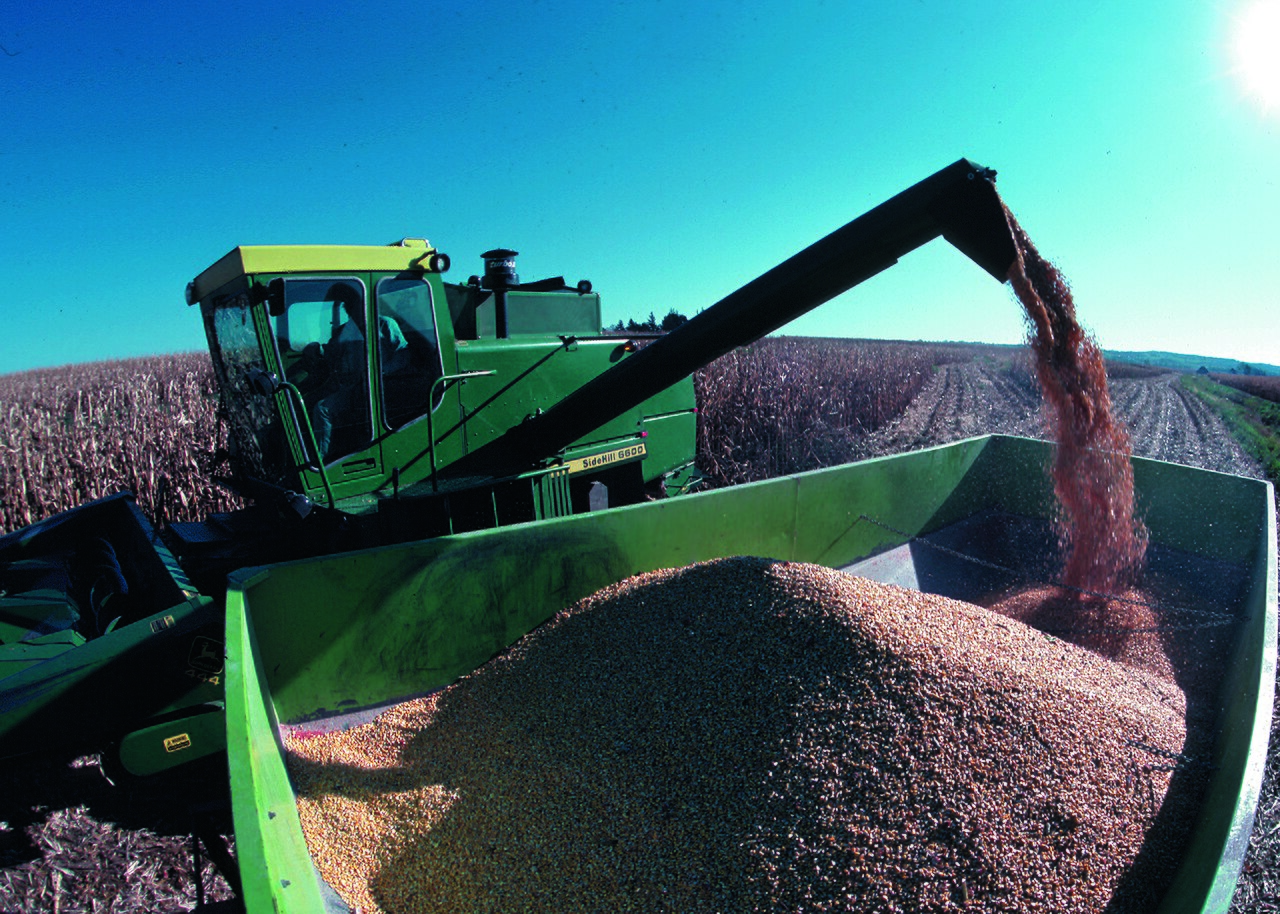
American farmers sitting down with their banks this winter to renew operating loans for 2027 should expect their books to be read more closely than ever, lenders told DTN/Progressive Farmer, and should arrive knowing three numbers in particular.
The pressure behind that warning is in USDA's Economic Research Service forecasts: total farm debt is expected to reach a record $624.7 billion in 2026, up 5.2% on last year, solvency is forecast to keep worsening, and working capital is projected to fall by 9.2% from 2025. "There will likely be difficult conversations, difficult decisions made as this year's balance sheets become clearer following harvest," said Zach Grossman, a lender at BTC Bank in Carrollton, Missouri, who also farms at Tina, Missouri.
The first number is working capital, the cash cushion left after current liabilities are taken from current assets, which lenders want to see at a ratio of at least 1.25 to 1.5. The second is total debt coverage, whether the farm's cash flow covers all principal and interest payments, with a benchmark of 1.25 or better. The third is debt-to-worth, total liabilities against net worth, which lenders want below 2.5.
Lending standards have not changed, said David White of INTRUST Bank in Wichita, Kansas, but the numbers are being examined in more depth. Caleb Hopkins, an agricultural production loan officer at Landera Ag Finance in Halbur, Iowa, said farmers are struggling to defend their working capital as interest costs rise, and warned that owning land is not the same as being able to pay. "Equity doesn't make payments. You've got to cash flow," he said. Grossman added that recent equipment and technology purchases, especially combines, are weighing on many balance sheets.
Delinquency on non-real estate production loans is still low, at roughly 1.37% against a long-run average of 1.67%. White explained how lenders read risk-carrying capacity: a farm with $1.5 million of working capital that loses $500,000 a year has three years before that cushion is gone, and the work is to decide which levers to pull in that time. Alongside banks, the Farm Credit System and the Farm Service Agency, more input suppliers and machinery companies now finance specific purchases, often with payment due after harvest.
Tara Durbin, chief lending officer at Farm Credit Mid-America, advised farmers not to let a hard year keep them from the conversation, to bring an up-to-date balance sheet, year-end statements and production figures, to explain what drove this year's results, to share their plans for next season, and to use year-end to check whether their debt structure still fits their assets and cash flow. The report is by Gregg Hillyer, DTN's editor emeritus.
Photo: Tim McCabe, USDA Natural Resources Conservation Service / Wikimedia Commons (Public domain)
Source: DTN / Progressive Farmer
Comments
(0)