
Authorities at Faridpur District Jail gave prisoners the seasonal fruits mango and lychee at noon on Wednesday, 10 June 2026. The fruit was handed out on the jail premises, and the jail said the step was part of its effort to keep a humane and healthy environment for the people it holds.
According to jail sources, the jail held 1,142 male and 48 female prisoners at the time. A total of 7,000 lychees and 7,000 mangoes were distributed, with the stated aim of meeting prisoners' nutritional needs and supporting their physical and mental wellbeing.
What the jail authorities said
Faridpur jail superintendent Shawkat Hossain Mia and jailor Monir Hossain were present at the distribution. They asked after the prisoners and inspected the overall environment of the jail and its welfare activities.
The superintendent placed the fruit within a wider programme directed by the department that runs the country's prisons. "As directed by the Department of Prisons, we are continuously implementing various welfare measures to protect the human dignity of prisoners and ensure their wellbeing," he said. "Along with healthy food, medical care, recreation and rehabilitation activities, prisoners have been given the seasonal fruits mango and lychee. A prison is not just a place of punishment; it is also an important institution for correction and rehabilitation."
The report did not say where the fruit came from, which mango or lychee varieties were bought, what the distribution cost, or how the fruit was shared out among the prisoners.
An old jail on 34 acres in Faridpur town
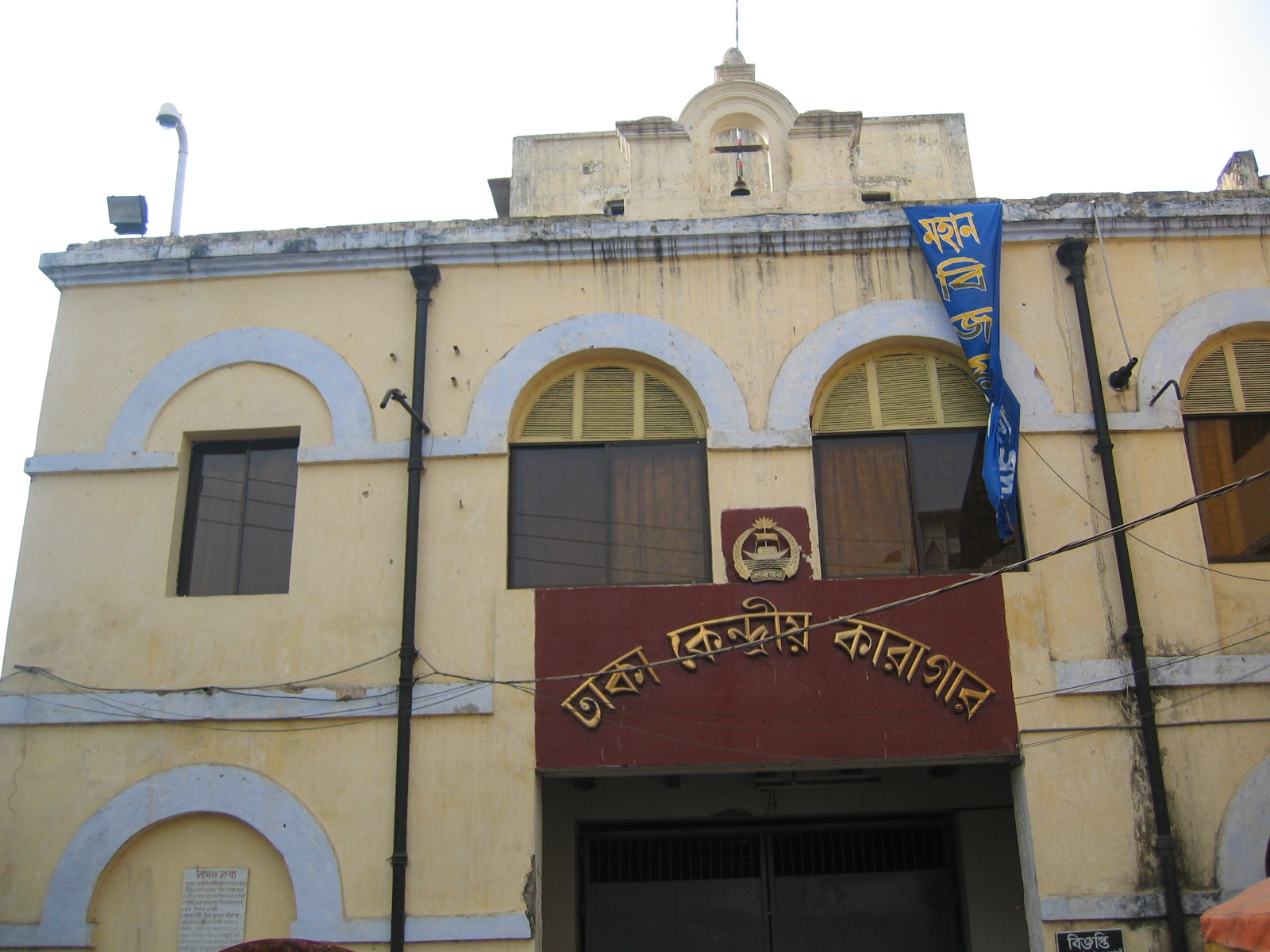
Faridpur District Jail is an old prison. Reports published by the news agency UNB in August 2022 said it was established in 1825 at Jhiltuli in Faridpur town on 34 acres of land. About 9 acres held the prisoners' buildings, and the remaining 25 acres included ponds and staff housing.
Those reports also described a jail under strain. In August 2022 its capacity was given as 420, while it held 897 men and 17 women, a number that changed daily. The post of assistant surgeon had long been vacant, one pharmacist served the prisoners, and sick prisoners were taken to the medical college hospital in Faridpur, with three escorts needed for each one sent out. The district's chief administrator said at the time that a doctor had been attached to the jail and that the administration inspected it regularly. The June 2026 report gave no capacity figure, so the 2022 number is the latest one this story can cite for the jail.
The jail serves a district in Dhaka division of 2,052.86 square kilometres, formed in 1815 and bounded by Rajbari and Manikganj to the north and Gopalganj to the south. Banglapedia lists the Padma, Old Kumar, Arial Khan and Gorai as its main rivers. From the 2011 census it gives the district a population of 1,912,969, and it puts agriculture first among the main sources of income, at 58.60 per cent.
What prisoners normally eat
Fruit is not named in the prison menus described by officials and reference works, which is why a seasonal handout stands out. Banglapedia's account of the jails lists a daily ration built on wheat flour, rice, red lentils, molasses, vegetables, salt, onion, chilli, turmeric, coriander and edible oil, with set amounts of fish, mutton or beef. It gives 291.60 grams of vegetables a day and says prisoners are fed three times a day.
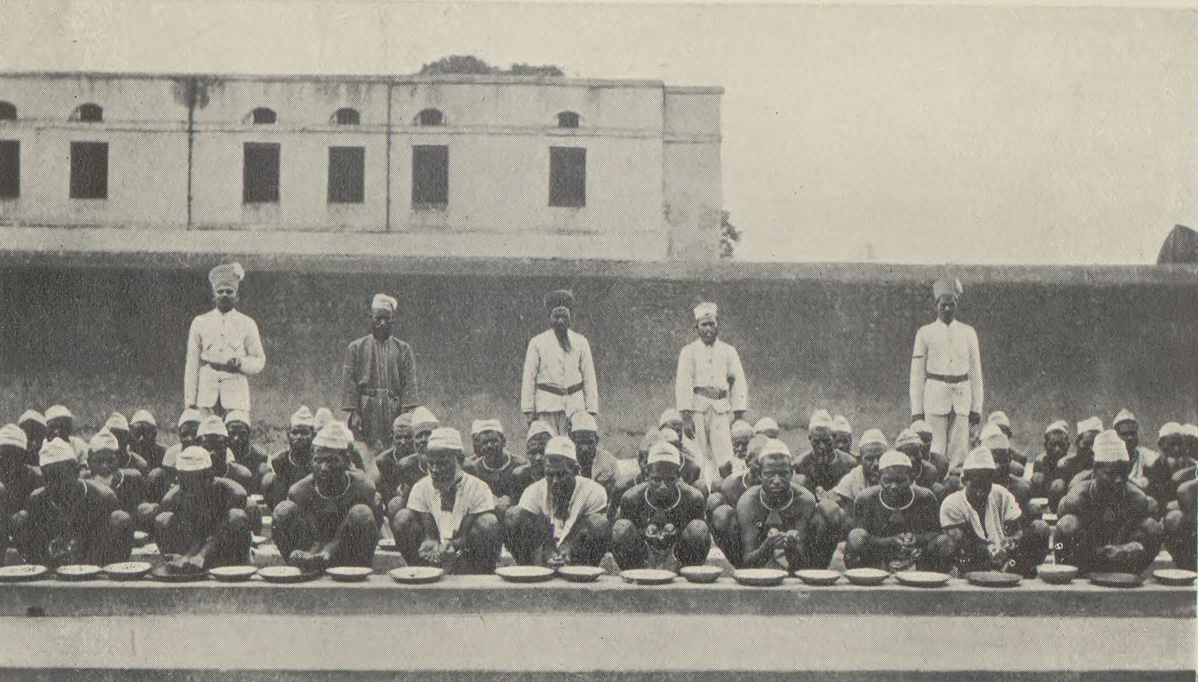
For a long time breakfast was the plainest meal. Prothom Alo reported on 16 June 2019 that prisoners had been receiving two slices of bread weighing 102.60 grams with 14.28 grams of gur, a menu fixed under colonial rule. The new weekly plan then announced was:
- bread and vegetables on four days
- khichuri on two days
- halua and bread on one day
A month later The Business Standard reported another change. A home ministry circular replaced the Tk 3.60 midday meal for prisoners going to court, which was 46.42 grams of chira and 14.58 grams of gur, with a lunch costing Tk 30. The circular said one aim was to stop relatives passing drugs and food to prisoners in court premises.
The state news agency BSS described the menu as it stood on 21 May 2026. On 17 days a month breakfast was roti, vegetables and halua, and on the other days khichuri. Lunch was rice with fish or meat, dal and vegetables, and dinner was rice with dal and vegetables. An additional inspector general of prisons told BSS that protein in the daily diet had been raised from 36 grams to 54 grams, with a proposal to take it to 100 grams, and that the amounts of fish and meat had also increased. Every prison now had a canteen, and relatives could deposit money online into prisoners' accounts so they could buy food.
Festivals bring the other break from routine. At Chattogram Central Jail, BSS reported on 27 May 2026, the Eid-ul-Azha plan was semai and muri for breakfast, pulao, beef or mutton, roast chicken and salad for lunch, and rice, potato stew and fried fish for dinner, all cooked by the prisoners themselves.
What the law and the UN rules say about prison food
Prisons in Bangladesh still run under the Prisons Act of 1894. Section 59 lets the government make rules on matters including the food, bedding and clothing of criminal prisoners. Section 31 lets civil and unconvicted prisoners buy food or receive it from private sources at proper hours, subject to examination and to rules approved by the Inspector General of Prisons. BSS reported in May 2026 that a proposal to revise the prison law had been sent to the ministry for review.
The international benchmark is the United Nations Standard Minimum Rules for the Treatment of Prisoners, known as the Nelson Mandela Rules and adopted by the General Assembly on 17 December 2015. Rule 22 says every prisoner shall be given, at the usual hours, "food of nutritional value adequate for health and strength, of wholesome quality and well prepared and served". Rule 35 asks a physician or public health body to inspect and advise the prison director regularly on the quantity, quality, preparation and service of food.
The same rules touch on the superintendent's words about dignity and correction. Rule 1 says all prisoners shall be treated with the respect due to their inherent dignity and value as human beings. Rule 4 says the purposes of imprisonment, protecting society and reducing reoffending, can be achieved only if the time in custody is used to help people return to society and lead a law-abiding and self-supporting life.
A crowded system that talks of correction
The Department of Prisons is the body whose direction the Faridpur superintendent cited. An assistant inspector general told BSS in May 2026 that the country had 74 prisons, 15 central and 59 district. Their total capacity was 43,157, made up of 41,179 places for men and 1,978 for women, while about 81,000 prisoners were being held.
Other large jails showed the same pressure. BSS reported that Dhaka Central Jail at Keraniganj held about 10,800 prisoners against a capacity of 4,590, and that Chattogram Central Jail held about 6,000 against a designed capacity of 2,249. Prisoners convicted of minor offences could be released under general amnesty on Eid-ul-Fitr, Eid-ul-Adha and national days, and about 2,000 long-serving prisoners had been considered for release on special grounds.
The system has a long history. BSS traced prison administration to 1788 under British rule, when a criminal ward opened at Chakbazar in Old Dhaka. Prisons followed in district and subdivisional towns in 1836, and integrated prison management began in 1864. Banglapedia notes that jails were first set up mainly to punish offenders and are now used as places of both punishment and reform. It separates the hajati, held under trial and attending court on set dates, from the kaedi, who have been convicted.
The motto shown on the Faridpur jail's website is "Rakhibo nirapad, dekhabo alor path": keep safe, show the path of light. BSS listed the welfare work officials pointed to in May 2026, which included medical services, handicraft training that lets prisoners support their families, a troupe of prisoner-artists performing at different prisons, and football, T20 cricket and volleyball. A project to buy 72 ambulances was under review, and doctors were being brought in on deputation from the health ministry.
Banglapedia describes the training on offer in the jails. Women learn stitching and tailoring and the making of paper bags and envelopes, while men are trained in banner and signboard work, fish cultivation, making paper packets and repairing electronic goods. Those who cannot read are taught under a mass literacy programme.
The mango in its season
The mango, Mangifera indica, is thought by some authorities to be native to the eastern part of the Indian subcontinent, including Bangladesh. Banglapedia says nearly 100 cultivars are available in the country and that the trees grow widely, mostly around homesteads. Grafted trees begin to bear in about the fourth year, and the fruit is often called the king of fruits.
The crop depends heavily on the weather. Banglapedia says fog, rain or cloudy days in January to March, when the trees flower, reduce fruit setting, while mild showers help the fruit grow, and storms, particularly hailstorms, knock down immature fruit. Grafted trees stay in good bearing until about their 45th year, and trees raised from seedlings may bear for 60 years or more.
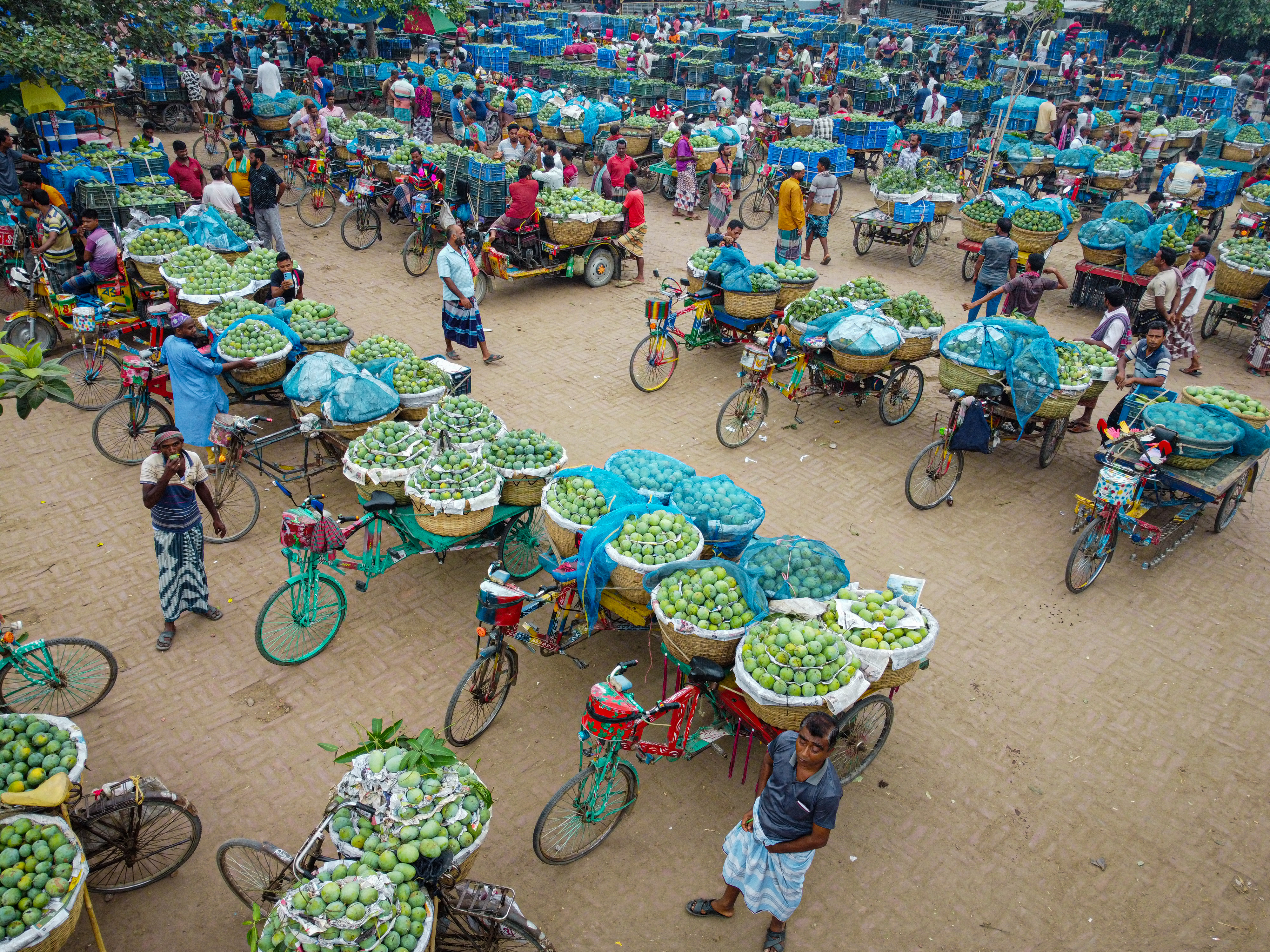
BSS reported on 21 April 2026 that output in 2024-25 was 26.70 lakh tonnes and that the 2026 crop was likely to pass 27 lakh tonnes, on about 204,000 hectares. A director of a Department of Agricultural Extension (DAE) mango project said it could reach around 27 lakh tonnes if the weather held and there were no severe storms. The main growing districts named were Chapainawabganj, Rajshahi, Satkhira and Dinajpur, and 2,194 tonnes had been exported the previous year.
The Financial Express reported on 17 May 2026 that DAE offices expected a rise in Rajshahi, on 19,063 hectares, and in Chapainawabganj, on 37,487 hectares. Naogaon was likely to stay flat after hailstorms, and storms had hurt orchards in Rangpur.
To keep unripe fruit off the market, the Rajshahi district administration published a harvest calendar on 10 May 2026, and those who broke it faced legal action. It applied to Rajshahi, not Faridpur, but it shows how the season moves:
- Guti: from 15 May
- Gopalbhog: from 22 May
- Raniposondo and Laxmanbhog: from 25 May
- Himsagar or Khirsapat: from 30 May
- Banana Mango and Langra: from 10 June
- Amrapali and Fazli: from 15 June
- BARI Aam-4: from 5 July
- Ashwina: from 10 July
- Gourmati: from 15 July
The lychee, a short crop that Faridpur also grows
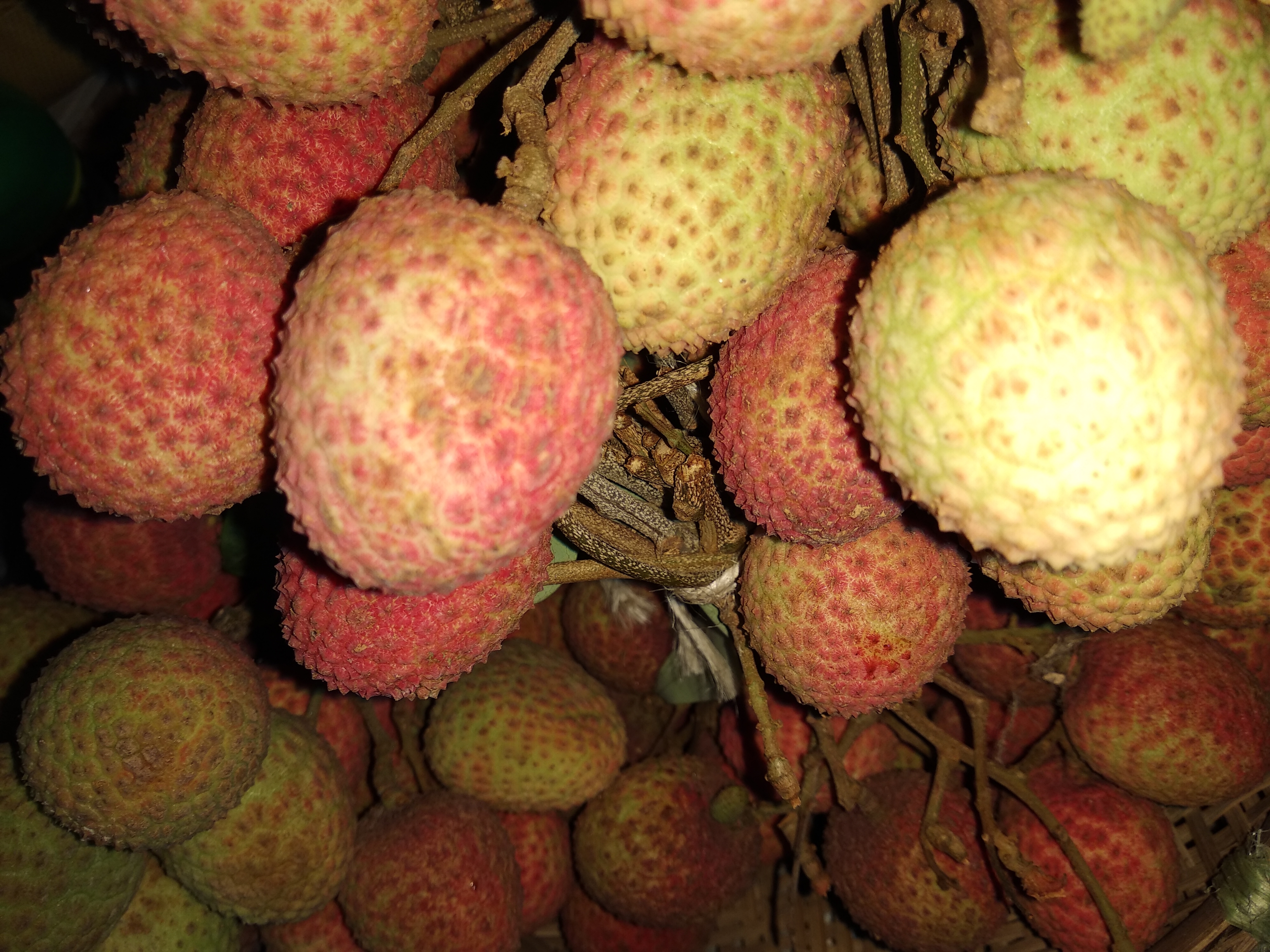
The lychee, Litchi chinensis, has a much shorter season. Its original home is China, and Banglapedia says it reached Burma and India by the end of the 17th century. A chapter in a Food and Agriculture Organization (FAO) publication on the crop in Bangladesh says fruit reaches the markets in May and June and that good-quality fruit is available for only about 60 days. It gives Bombai and Muzaffarpuri as maturing in the second week of May, Bedana in the second week of June and the late China-3 in the last week of June.
Banglapedia ranks lychee second in production after mango among the country's tree fruits. The tree is evergreen, reaches 12 to 15 metres and needs a warm, humid climate, and dry hot air harms the fruit. Deep, loamy alluvial soil suits it best. The local selections fall under two main types, deshi and bombai, and the fruit is usually eaten fresh. The FAO chapter put the average yield at about 2.5 tonnes per hectare, which its author called low compared with other countries.
Faridpur is not on Banglapedia's list of the main lychee districts, but it has its own orchards. UNB reported on 16 May 2019 that 300 hectares were under the crop in the district, with a target of 8 tonnes per hectare, or 2,400 tonnes, and that the fruit was sold as far as Dhaka and Barishal. Orchards in Madhukhali, Boalmari and Sadar upazilas were hit that year by a heat wave that cracked the skins and dropped fruit.
Jahapur in Madhukhali upazila is known as the lychee village. Khoborsangjog reported on 7 May 2025 that about 100 orchards in Madhukhali covered 95 hectares, 40 of them in Jahapur, with an average yield of 4.1 tonnes per hectare. Muzaffari was the main variety, and picking usually ran from mid-May to the first week of June. The upazila agriculture officer blamed irregular rain for a sharp fall in yields that season.
The 2026 season had its own troubles. The Financial Express reported on 5 May from Rajshahi, where the DAE recorded 526 hectares and a 3,775-tonne target, that extreme heat had damaged part of the crop and that early lychees were selling at Tk 450 to 500 a hundred. BSS reported from Dinajpur on 1 June that about 7,370 hectares of orchards had a target of 39,550 tonnes. Madraji sold there at Tk 300 to 350 a hundred, Bedana at Tk 600 to 700 and China-3 at Tk 800 to 900.
Agricultural officials in Dinajpur said about 20 per cent of the production there met local demand and about 80 per cent went to other districts, which is how lychees reach markets far from the orchards.
What the two fruits contain
The jail's stated reason was nutrition, and food tables show what the fruits offer. In the United States Department of Agriculture's (USDA) FoodData Central, 100 grams of raw mango has 60 kilocalories, 36.4 milligrams of vitamin C, 54 micrograms of vitamin A, 1.6 grams of fibre and 83.5 grams of water. The same weight of raw lychee has 66 kilocalories, 71.5 milligrams of vitamin C, no vitamin A, 1.3 grams of fibre and 81.8 grams of water. Banglapedia adds that the edible part of a lychee is 50 to 75 per cent of the fruit by weight.
The World Health Organization advises that everyone older than 10 should aim for at least 400 grams of fruit and vegetables a day, along with at least 25 grams of naturally occurring dietary fibre. Anyone with a health condition should ask a doctor about their own diet.
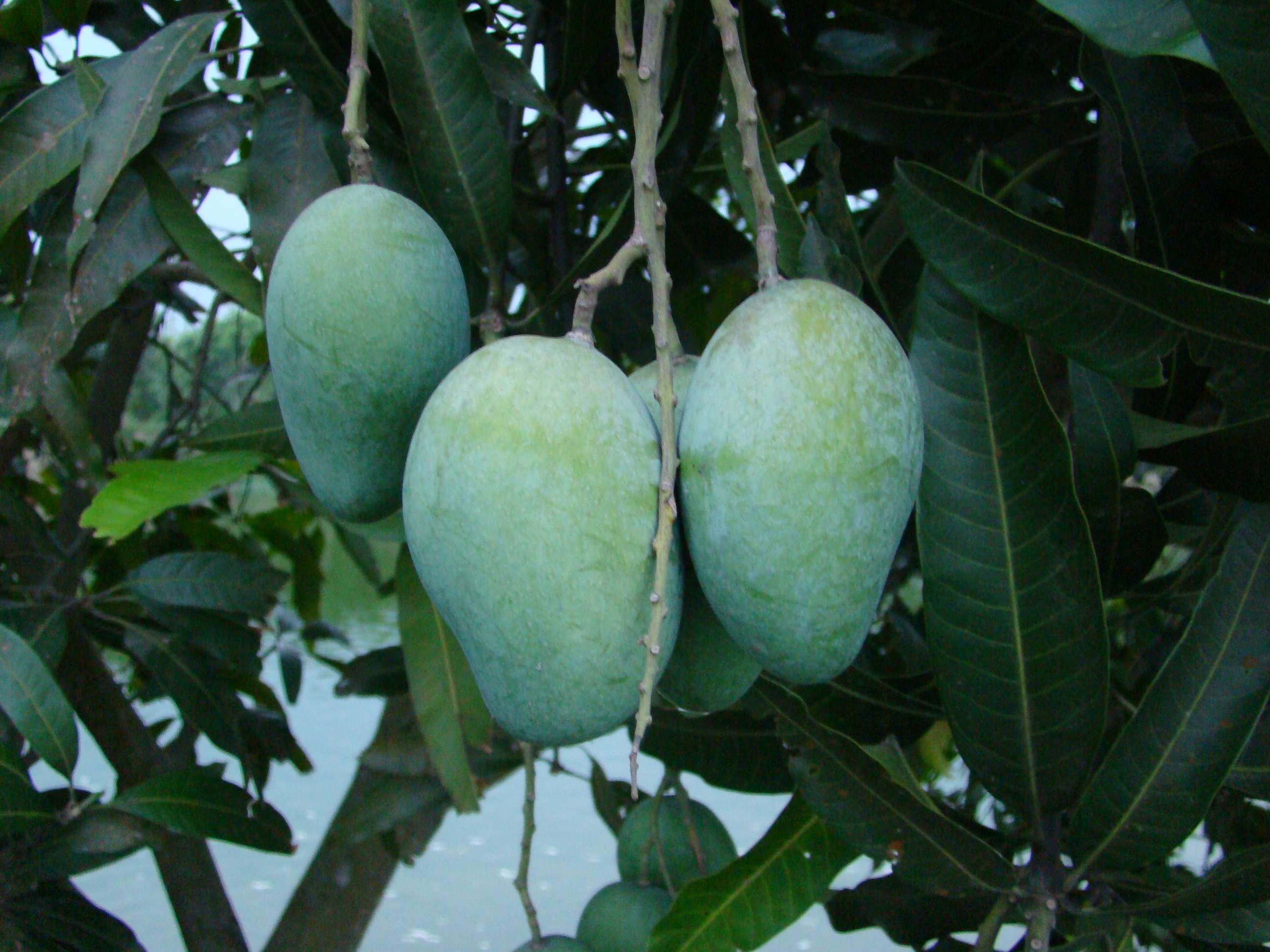
Photo: Shahnoor Habib Munmun / Wikimedia Commons (CC BY 3.0). The top picture shows mangoes on a tree in Bangladesh, as background.
Sources: Jagonews24, UNB (through The Daily Star Bangla, Prothom Alo English and Dhaka Tribune), BSS, Prothom Alo, The Business Standard, The Financial Express, Khoborsangjog, Banglapedia, Faridpur District Jail, Prisons Act 1894, United Nations Office on Drugs and Crime (Nelson Mandela Rules), FAO, USDA FoodData Central, World Health Organization.
Comments
(0)