
The European Commission has adopted a regulation revising maximum residue limits (MRLs) for six pesticide active substances in food and animal feed. The change matters to growers and exporters who supply fruit, vegetables, cereals and animal products to the EU.
Commission Regulation (EU) 2026/2289 was adopted on 15 October and published in the Official Journal on 16 October. It amends Annex II of Regulation (EC) No 396/2005, the EU's main law on pesticide residues in food and feed, and enters into force twenty days after publication, around 5 November.
The six substances are acequinocyl, an acaricide used against mites; deltamethrin, a widely used pyrethroid insecticide; dodine, a fungicide; maleic hydrazide, a growth regulator used mainly to stop stored crops sprouting; pinoxaden, a cereal herbicide; and prothioconazole, a broad-spectrum fungicide. For pinoxaden, the regulation also makes permanent the tentative limits that had been set for products of animal origin.
The revision follows the usual EU route. Member states, companies or non-EU countries ask for new or revised limits, the European Food Safety Authority assesses the dietary risk and recommends a level, and the Commission adopts it. The regulation says the new limits are those EFSA recommended.
An MRL does not decide whether a pesticide may be used in the EU; that is a separate approval. It sets the legal ceiling for residues in food sold in the EU, whether grown there or imported. For exporters in Latin America, Africa and Asia it works as a trade standard: a shipment even slightly over the limit can be rejected at the border or trigger an alert under the EU's rapid alert system for food and feed.
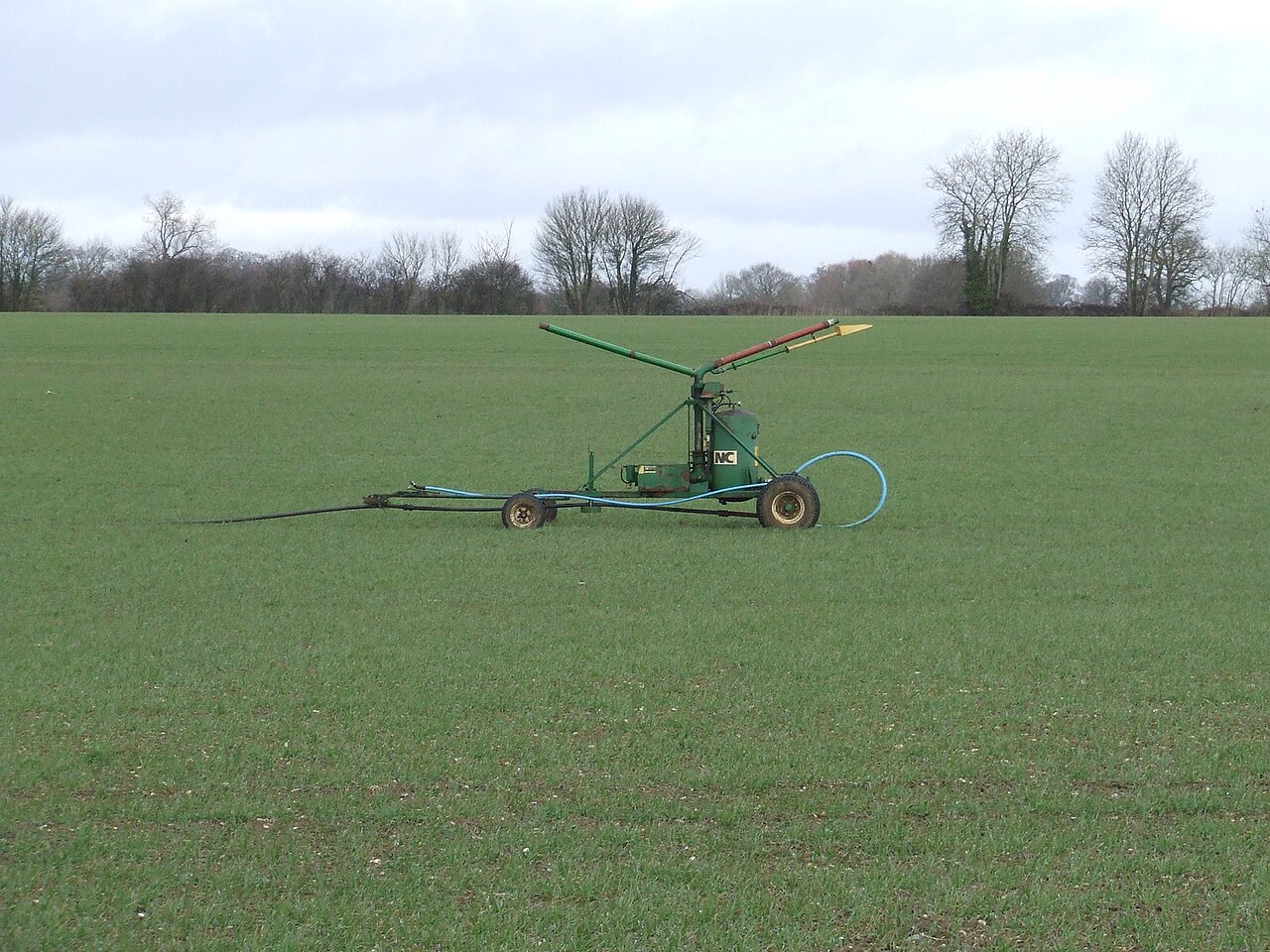
Photo: Keith Evans (a crop sprayer in a field in Norfolk) / Wikimedia Commons (CC BY-SA 2.0)
Source: Global Agriculture



Comments
(0)