
The European Union's imports of fluid milk are forecast at 750,000 tonnes in 2027, up 3.4% from a low 2026, as milk production in the United Kingdom is expected to grow again, according to the US Department of Agriculture's Foreign Agricultural Service (FAS).
Fluid milk imports from outside the EU are small, and more than 98% come from the UK, specifically from Northern Ireland, for processing in Ireland. As UK production recovers, dairies are expected to send more milk across the border. For 2026, FAS expects imports to fall 12.3% from 2025, as drought cut UK milk deliveries and with them the trade.
EU fluid milk exports, by contrast, are forecast to fall 2.7% in 2027 because the main buyers are importing less. China and the UK are expected to remain the largest destinations, but other Asian countries are gaining ground.
In 2026 EU exports are expected to reach 1.13 million tonnes, up 2.4% from 2025. From January to July they rose 5.2% even though shipments to China fell 1.3% and to the UK 5%, as sales to South Korea rose 1%, the Philippines 40% and Vietnam 37%.
FAS described the EU as the least price-competitive of the major milk exporters, which it said prevents any significant gain in exports.
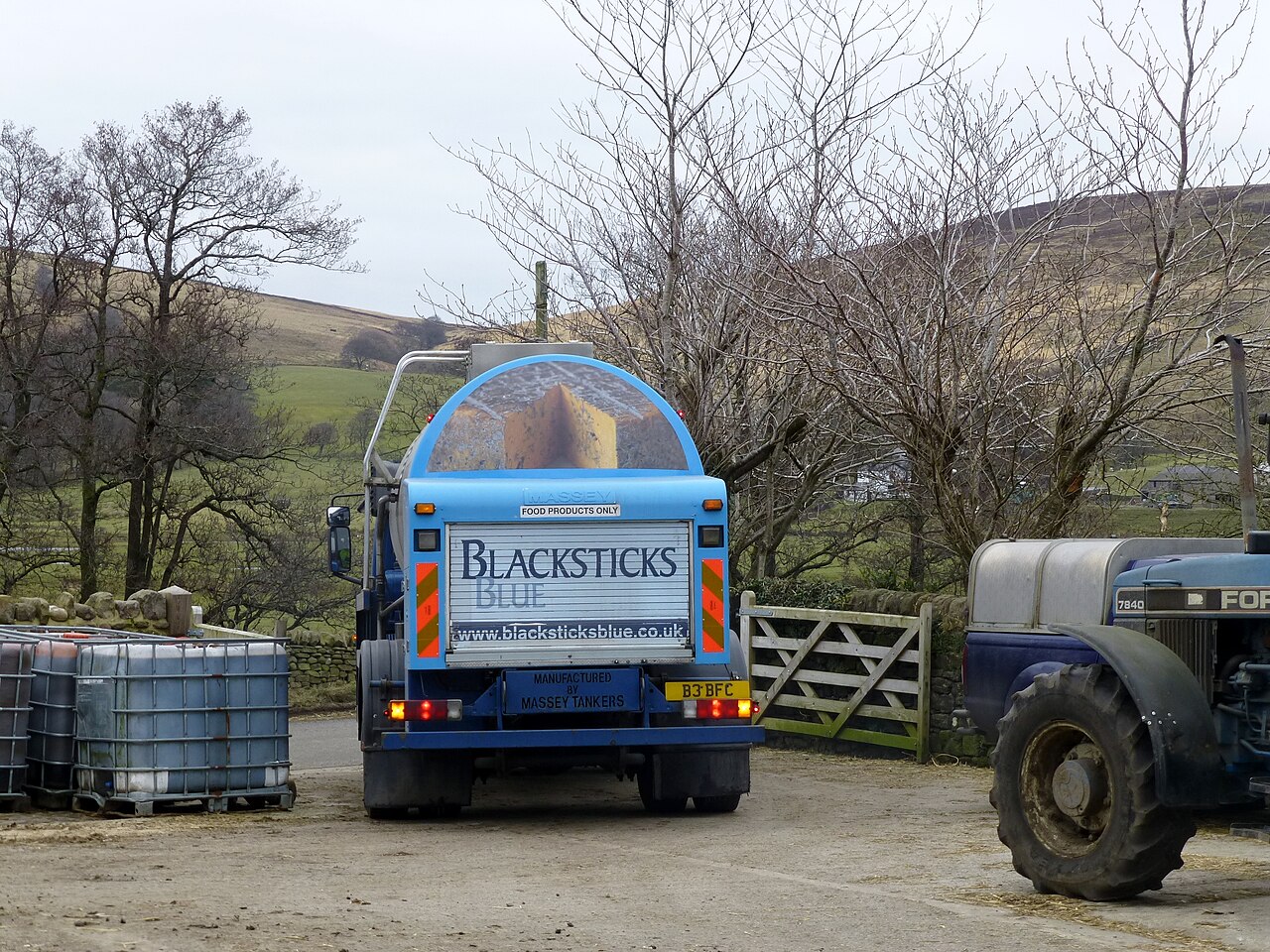
Photo: Rude Health / Wikimedia Commons (CC BY-SA 2.0)
Source: The Cattle Site



Comments
(0)