
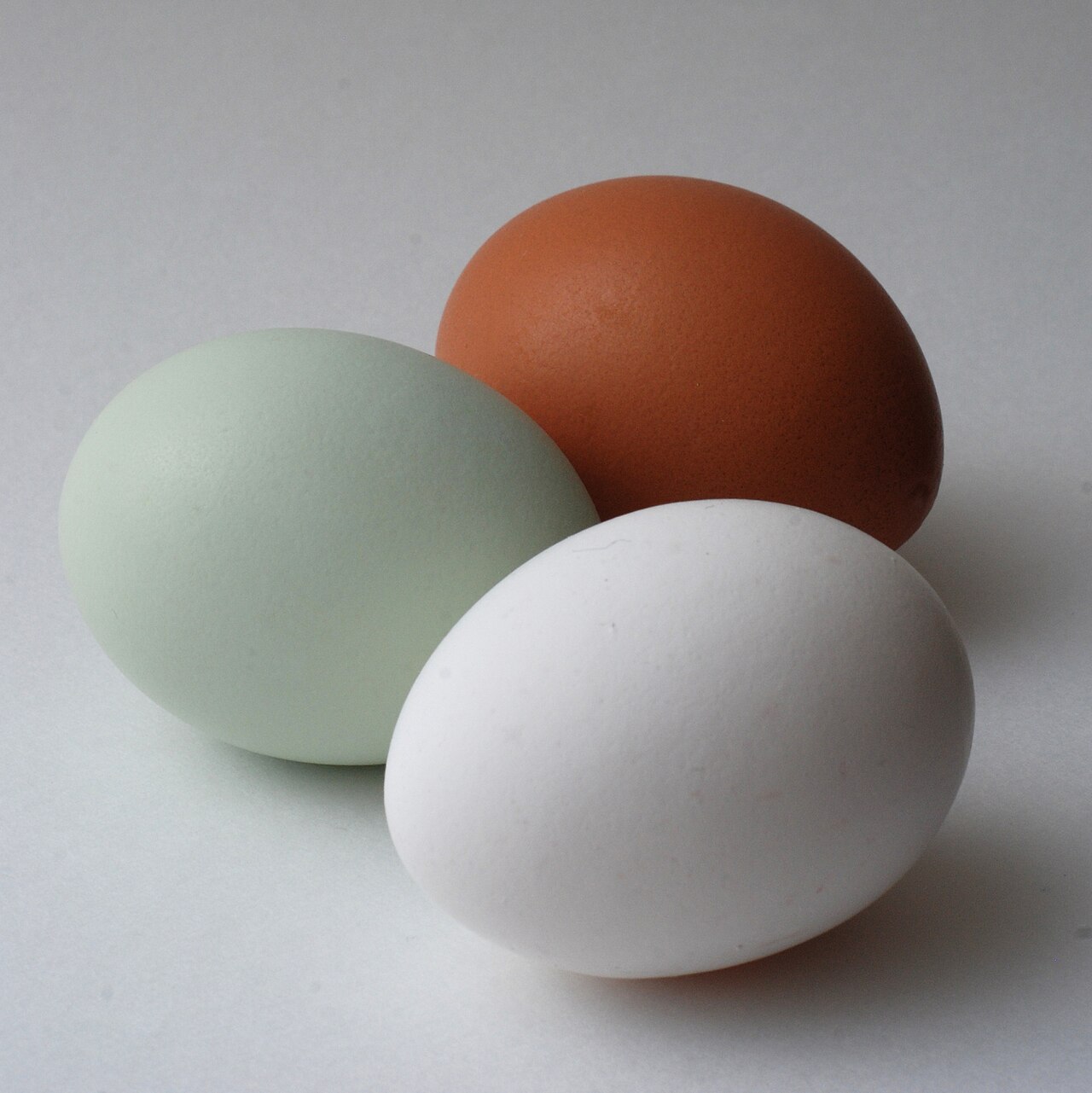
US shell eggs have returned to Singapore this year for the first time in more than two decades, and their arrival shows how a familiar food meets different expectations on appearance, handling and storage in a new market, FoodNavigator reports. US eggs had stopped coming because they did not meet Singapore's labelling requirements.
Handling is the biggest practical difference. In South East Asia eggs are usually not washed, so the shell keeps its natural protective layer, and vendors and hawkers display them at room temperature. "It's humid here, so washed eggs left at room temperature won't keep as long because bacteria thrive in those conditions," said Ma Chin Chew, chief executive of the Singapore egg farm and distributor N&N Agriculture. Washed eggs need an oil or wax coating, which can break down in humidity, and must be refrigerated.
US eggs are washed, sanitised and refrigerated under US food safety rules because they travel long distances, said Emily Metz, president of the American Egg Board, so they must stay chilled through transport and distribution. Those extra steps, and freight costs, put them at the premium end: Ma estimated they will cost 20-30% more than regular eggs in Singapore, aimed at food-service buyers.
Why import them at all? Ma said another approved supplier helps Singapore's food resilience and its food agency's push to diversify sources. Metz pointed to variety and traceability, saying every US egg can be traced to the day it was laid and the farm it came from.
Taste in eggs also varies. In Chinese culture brown or pink-tinged eggs are linked to celebrations, while white is avoided for its association with mourning; brown eggs are preferred in parts of Asia Pacific, Europe and Latin America and white ones in North America, India, the Philippines and the Middle East. A 2025 study found Chinese Gen Z consumers prefer smaller eggs with lighter yolks. Industry experts say shell and yolk colour do not determine nutritional value: shell colour mostly reflects the hen's breed, and yolk colour the feed.
"Brown eggs and white eggs are just eggs," Ma said.
Photo: Gmoose1 / Wikimedia Commons (public domain)
Source: FoodNavigator

Comments
(0)