
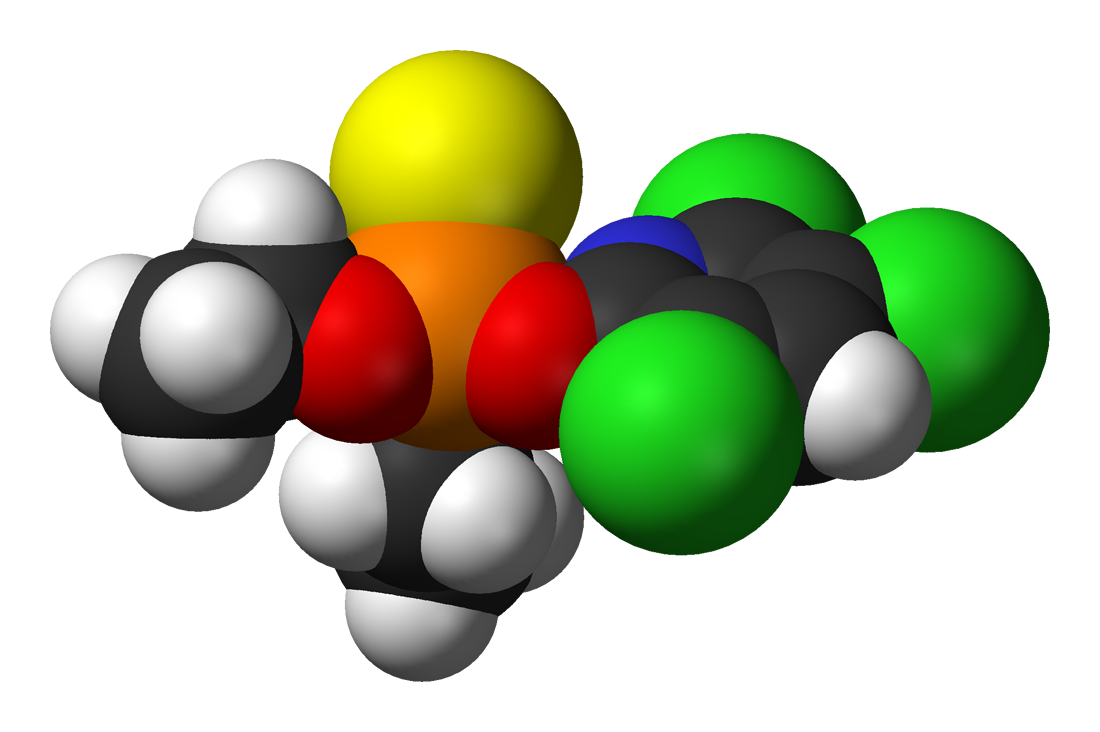
The European Union will prohibit the manufacture, sale and use of the insecticide chlorpyrifos in all member states from 30 September under Commission Delegated Regulation (EU) 2026/1423, published in the Official Journal on 10 September. Adopted on 30 June, it amends the EU's regulation implementing the Stockholm Convention on Persistent Organic Pollutants and formally lists chlorpyrifos as a restricted substance; it applies directly without national legislation and allows no exemptions, going further than the convention's baseline.
Only an unintentional trace of up to 0.01 milligrams per kilogram will be tolerated in goods placed on the EU market, a threshold that covers not just agricultural produce but materials such as natural fibres and packaging. Chlorpyrifos (CAS 2921-88-2), an organophosphate used for decades against pests in cereals, fruit, vegetables and cotton, lost its EU approval as a plant-protection active several years ago; the new measure closes a different gap by addressing residues that enter through imported goods, packaging and traded products.
Chlorpyrifos remains in wide use outside Europe, and India is among the countries still manufacturing and applying it at scale, alongside China and others; India has historically resisted a full global phase-out, arguing that alternatives are not always available or affordable for smallholders. Exporters of produce, processed food or agri-derived materials to the EU will need supply chains that meet the trace threshold, and while EU maximum residue limits on food were already stringent, the listing extends scrutiny to non-food materials and packaging, raising compliance questions for textiles, leather and wood-packaged exports.
For Indian and Latin American agrochemical makers, the rule reinforces the EU's use of market-access rules to shape global pesticide standards even for chemicals no longer used within its borders; companies that still earn a meaningful share of revenue from chlorpyrifos will have to weigh how insulated that business is from EU-linked supply chains and from the spread of similar restrictions to other markets.
Photo: Benjah-bmm27 / Wikimedia Commons (public domain)
Source: Global Agriculture

Comments
(0)