
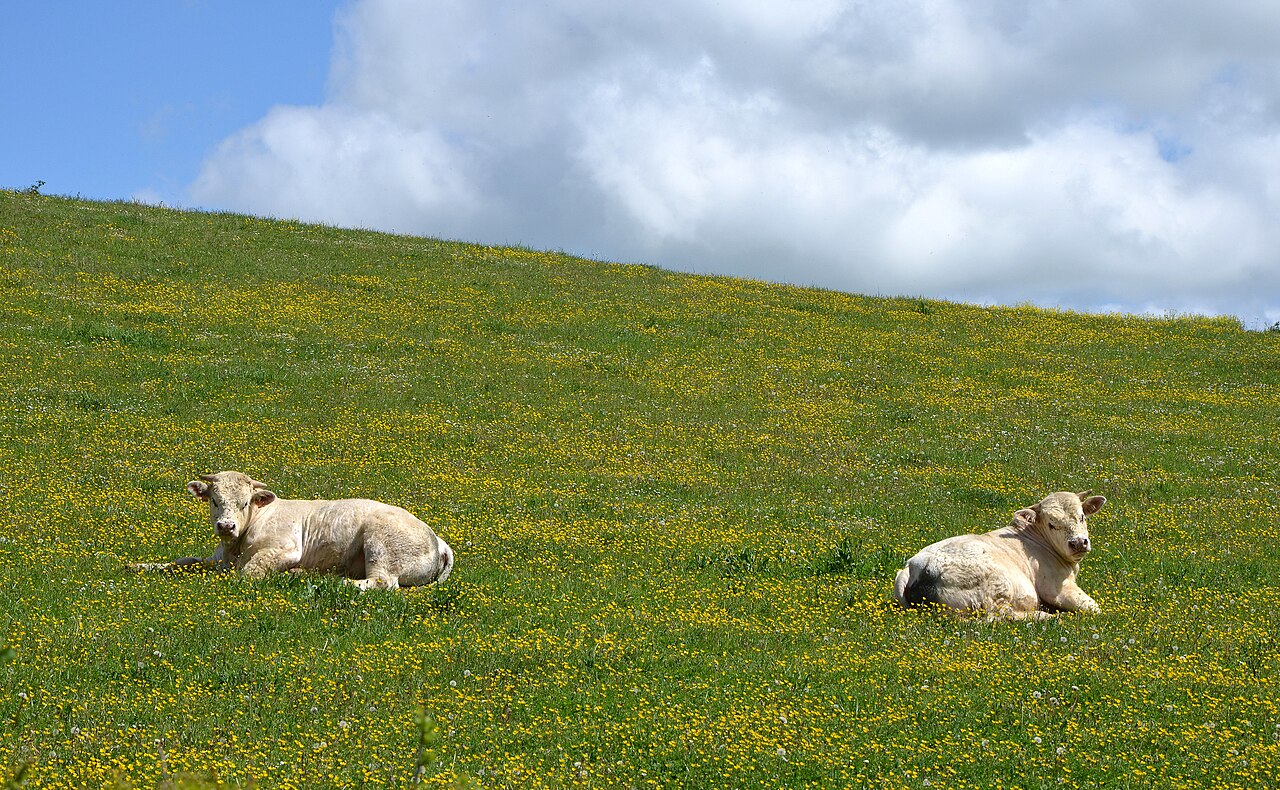
The European Union's cattle herd kept shrinking in 2025 but at a slower pace, losing 1.05 million head against 1.85 million in 2024, according to a US Department of Agriculture Foreign Agricultural Service (FAS) livestock report reported by The Cattle Site.
The EU herd has fallen by an average of almost one million head a year since 2017, with the decline accelerating between 2020 and 2024 before easing last year. The 2025 closing inventory was revised upward on the latest Eurostat census, balanced by a larger calf crop and lower slaughter; the higher calf-to-cow ratio reflects recovery from bluetongue outbreaks, which were worst in 2024.
Relatively high milk prices encouraged farmers to keep their cows in 2025, and strong beef carcass prices led producers, particularly in Central Europe, to build their beef cow herds, both slowing the contraction.
The long-term pressures are unchanged. Cattle farmers' incomes are squeezed by high energy, labour and land costs, strict environmental and animal welfare rules and a shortage of successors on family farms, and the report says the accumulation of new EU mandates demands more investment and adds uncertainty.
Disease is a growing factor in both dairy and beef: foot-and-mouth disease, several bluetongue serotypes including BTV-3, epizootic haemorrhagic disease and lumpy skin disease are all present. They rarely cause mass deaths but cut calf production, milk deliveries and animal movements. The report was written up by Melanie Epp.
Photo: Pline / Wikimedia Commons (CC BY-SA 3.0)
Source: The Cattle Site

Comments
(0)