
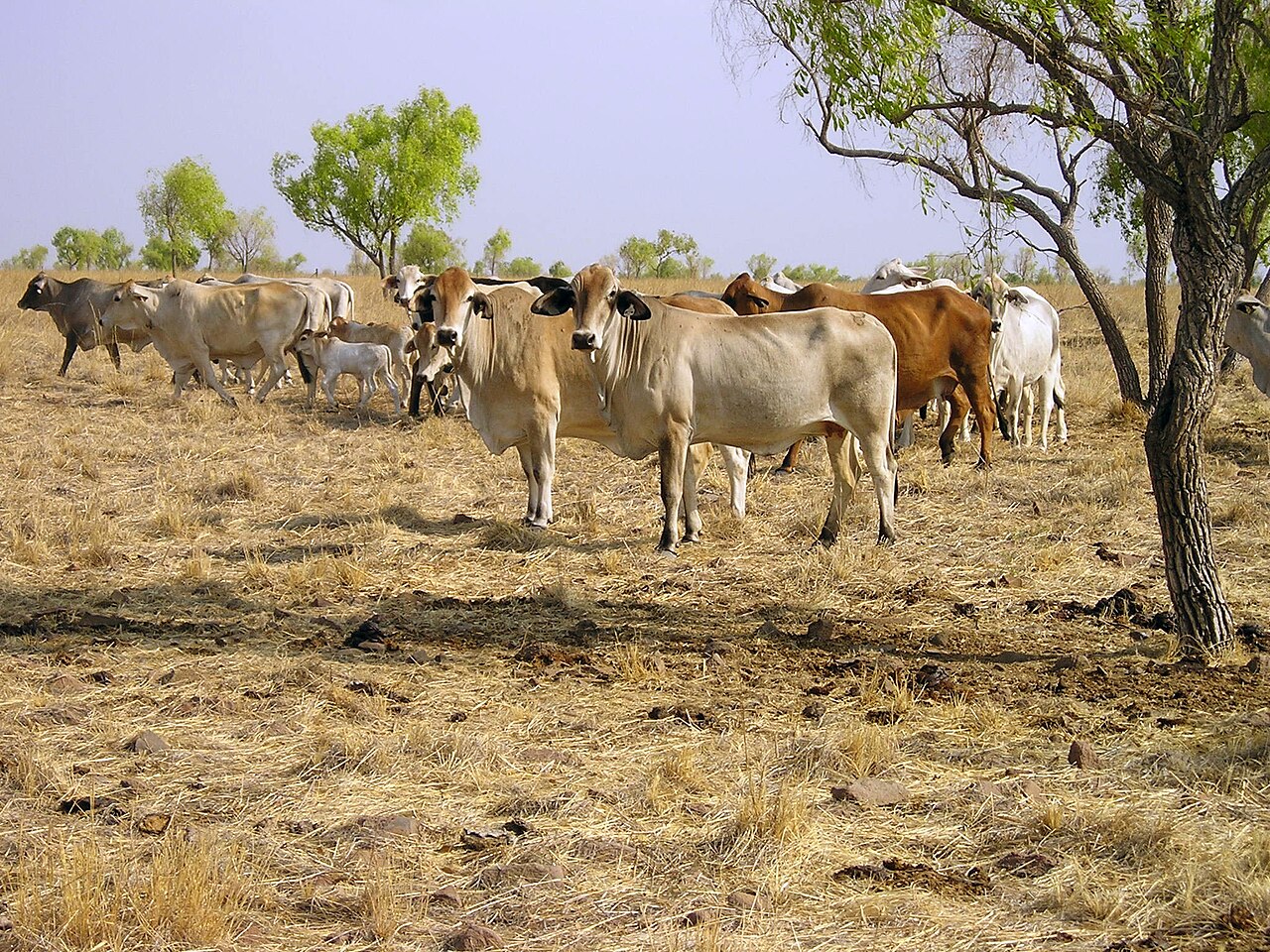
Changes made late last year to Australia's Environment Protection and Biodiversity Conservation (EPBC) Act do not amount to a ban on land clearing, officials of the National Environmental Protection Agency (EPA) told producer information days in Queensland, Beef Central reports, while the farm group AgForce said the reforms leave landholders carrying too much legal risk.
Speaking at an AgForce roadshow workshop in Millmerran, Cormac Farrell of the EPA said landholders are being asked to "stop and check" whether a planned activity could significantly affect a nationally protected species, ecological community or wetland, and to refer it for formal assessment only if it could. The EPA expects most people will not need a referral.
The 2025 reforms narrowed the continuing-use exemption in two ways: in the Great Barrier Reef catchment it cannot be claimed for clearing within 50 metres of a watercourse, wetland or drainage feature, and nationally it no longer covers land not cleared or managed for at least 15 years. Farrell stressed that losing the exemption does not mean an activity is prohibited, and that an EPA guide published in August puts established grazing and cropping, fence and firebreak maintenance, declared-weed control and erosion repair in a green low-risk category; farmers are advised to keep geotagged photographs of such work.
AgForce does not support the guide and wants legislative change or ministerial intervention. Its head of industry development, Josefine Pettersson, noted that the reforms passed Parliament in two weeks without the usual regulatory impact process, that the reef catchment covers 424,000 square kilometres of Queensland, and that the self-assessment against the "significant impact" test is too complex for producers to apply to every routine decision. "There's still a lot of confusion in industry in terms of the legislation," she said.
Photo: CSIRO / Wikimedia Commons (CC BY 3.0)
Source: Beef Central

Comments
(0)