
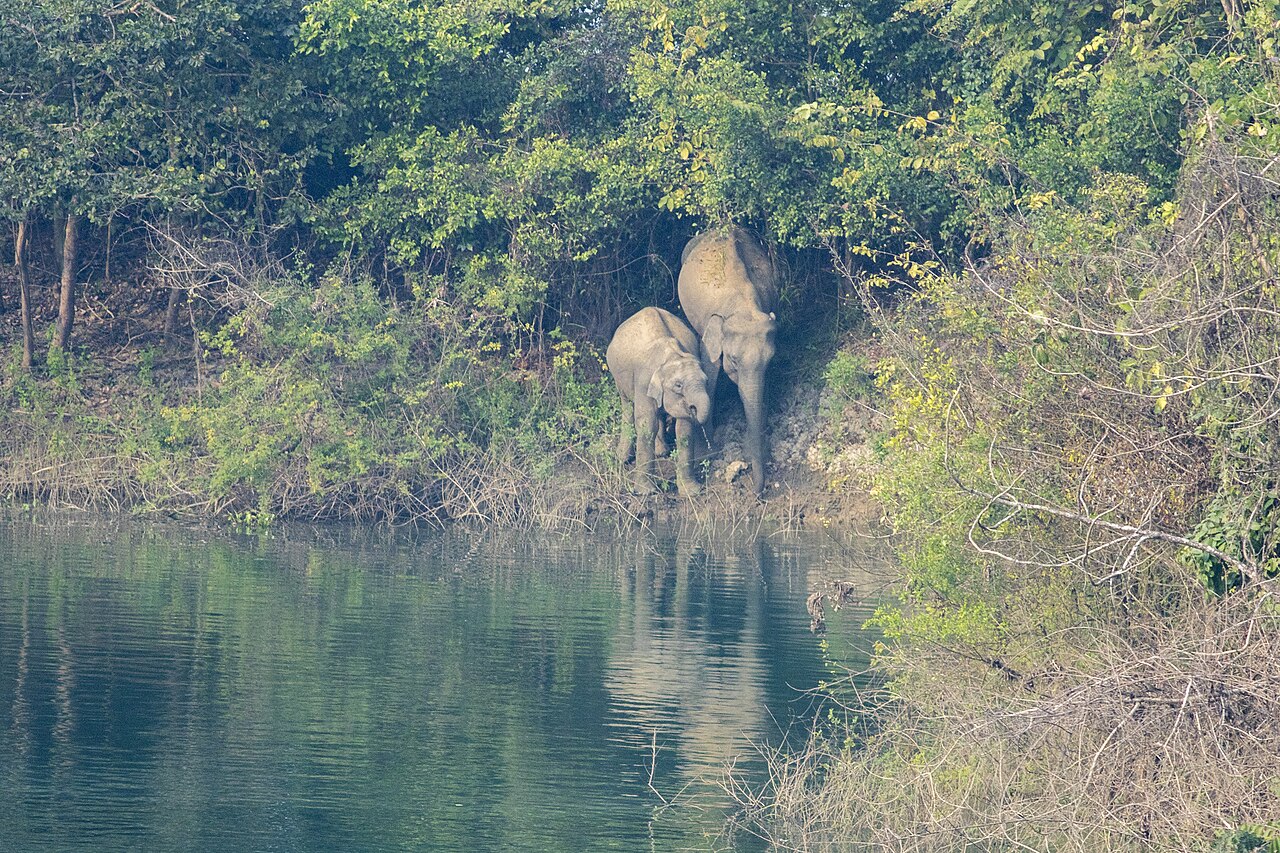
Shrinking habitat and migration corridors, road building, killing, trafficking and poaching have killed 146 elephants in Bangladesh over the past nine years, Dhaka Tribune reports. The country had an estimated 268 elephants in 2016, and the steady losses since then have put the endangered animal's survival here at risk.
Expanding settlements and farming, together with a lack of food in the forests, are driving conflict between people and elephants. Wild elephants searching for food enter villages and destroy crops and orchards, and local people are injured trying to drive them away.
Angered, some people shoot or poison elephants. Elephants are also killed by trains, in electric traps and, increasingly, by the effects of climate change.
Wildlife experts say that without effective steps to protect corridors and habitat and reduce conflict, it will be hard to keep the species alive.
Photo: AKM Emdadul Islam Bitu / Wikimedia Commons (CC BY-SA 4.0)
Source: Dhaka Tribune


Comments
(0)