
With the change of season many people are down with fever, and common misconceptions leave some panicking and others delaying care. Ajker Patrika set out eight of them with advice from Dr Kakoli Haldar, assistant professor of microbiology at Dhaka Medical College and Hospital.
The most dangerous habit, she says, is buying antibiotics at a pharmacy without a doctor's advice as soon as a fever starts. Most fevers are viral and antibiotics have no role in them. Taken needlessly or at the wrong dose they breed antimicrobial resistance, so the drugs fail when a real bacterial infection comes, and they can also cause stomach trouble and diarrhoea and strain the liver and kidneys.
Fever is not in itself a disaster; it can be part of the body's defence, and mild viral fevers often pass on their own. A temperature above 104 degrees Fahrenheit (40 degrees Celsius) is a concern, and a baby under three months with 100.4 degrees Fahrenheit (38 degrees Celsius) needs prompt medical care.
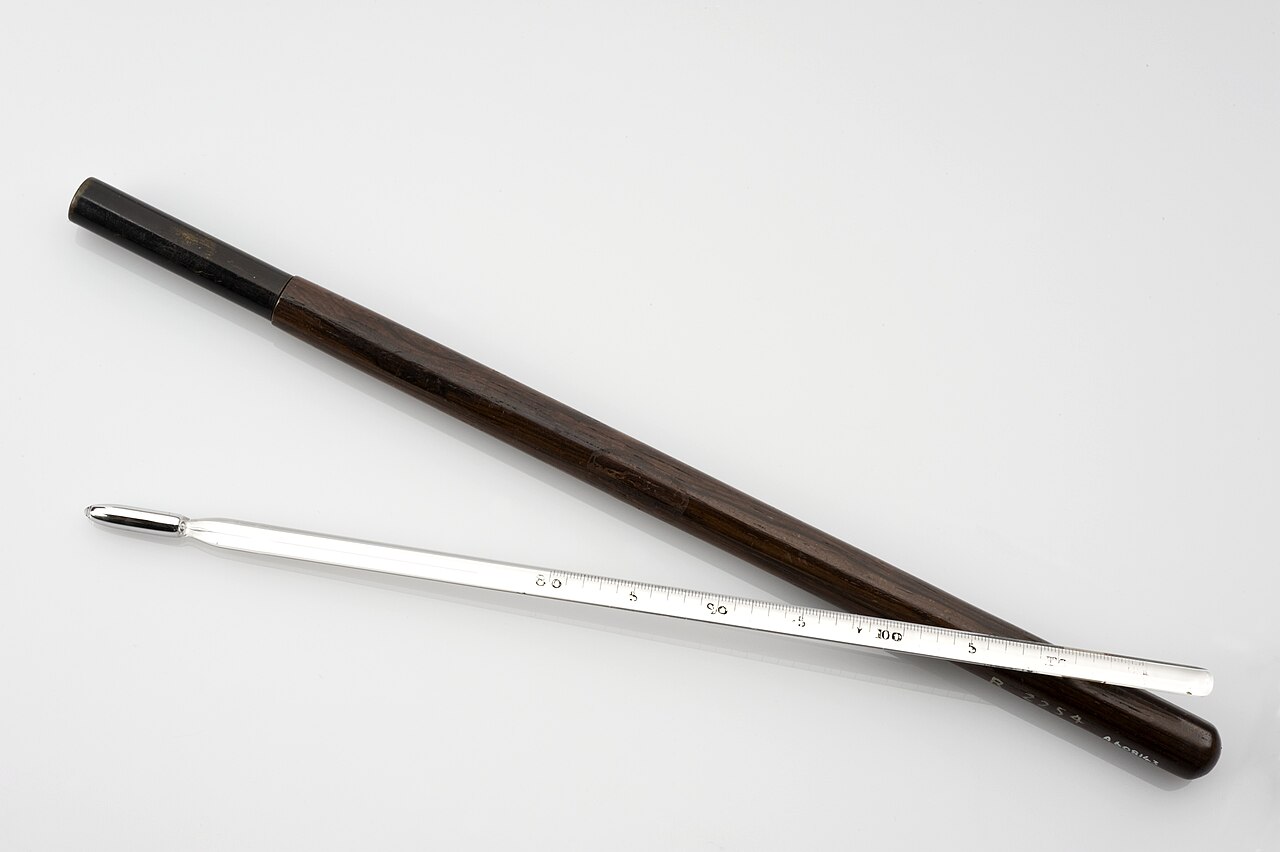
Starving a fever does not cure it either. Because the body loses fluid through sweat, the advice is to drink plenty and eat small amounts of soup, thin khichuri, soft rice or fruit. Sweating does not mean the fever has broken, and touching someone's forehead is no measure; use a thermometer.
Seek care quickly if fever comes with breathing difficulty, severe headache, a stiff neck, confusion or a rash, or if it does not come down after a few days. Children's doses must be set by age and weight.
Dr Haldar's advice is to stay calm, check the temperature, take plenty of fluids and rest. If needed, a doctor may advise medicine only to ease symptoms, such as paracetamol; whether an antibiotic is needed is for a registered doctor to decide after tests and an examination.
The article was published on Ajker Patrika's lifestyle pages, written by Sylvia Samantha Senjuti with information from Continental Hospital.
Photo: Wellcome Collection / Wikimedia Commons (CC BY 4.0)
Source: Ajker Patrika

Comments
(0)