
The Wisconsin Department of Agriculture, Trade and Consumer Protection (DATCP) has confirmed that samples from non-lactating dairy cattle in Waukesha County tested positive for the virus that causes epizootic hemorrhagic disease (EHD). The virus has also been found in tissue from wild and captive deer in the area.
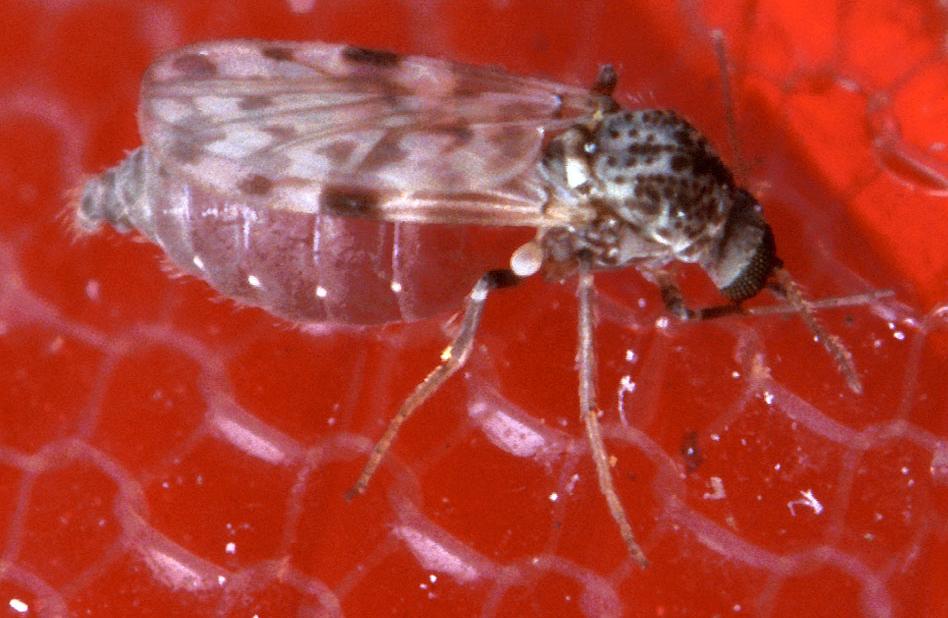
EHD is spread by biting midges, also called no-see-ums, and usually appears in late summer and early autumn when the insects are most numerous. New cases generally stop after the first significant frost. It must be reported to DATCP within 10 days. Wisconsin last reported EHD in cattle in 2013.
Unlike deer, cattle seldom show signs. When they do, they may be lame, have sores on the legs, mouth or teats, salivate heavily, run a fever or lose weight. Signs are rarely severe, but mouth, teat or hoof lesions can be hard to tell apart from some foreign animal diseases without laboratory tests.
The department asks owners who see symptoms in cattle or farmed deer to work with their veterinarian on a firm diagnosis; a vet can send blood, spleen, lung or lymph node samples for testing. If a foreign animal disease is suspected, it must be reported at once to a DATCP district veterinarian.
There is no treatment for EHD, and the cases show the virus is circulating in the environment. DATCP advises owners to keep herds healthy through control of parasites and flying insects, good nutrition and avoiding overcrowding. There is no evidence that EHD infects people, and meat or milk from infected cattle or deer poses no risk to humans.
The notice was issued by DATCP and carried by Morning Ag Clips.
Photo: Scott Bauer, USDA ARS / Wikimedia Commons (public domain)
Source: Morning Ag Clips

Comments
(0)