
Swiss manufacturer Ecorobotix says its ARA spot sprayer reduced spray volume by 84% compared with a broadcast application in a 2025 field trial in a tall fescue crop grown for seed, at Oregon State University's Hyslop Research Farm in the US, Future Farming reports.
The machine was used against annual bluegrass (Poa annua) and Italian ryegrass growing in an established tall fescue seed crop, applying glyphosate only to the weeds it detected. According to Ecorobotix, it targeted 88% of the weeds, and 87% of those sprayed were controlled. It used 34 litres of spray per hectare (3.63 US gallons per acre).
The company says the sprayer worked best where weeds covered less than 10% of the ground; at higher weed densities, more of the field still needs treating and the advantage of spot spraying shrinks.
The task is harder than finding broadleaf weeds in a crop that looks different. Grass seed growers struggle to keep a variety free of other grasses that look much like the crop, and selective herbicides are few. If unwanted grasses set seed, it is harvested with the fescue and can lower the purity of the seed lot, making certification and market standards harder to meet. The ARA has to pick out the unwanted grass plants and dose them accurately without unacceptable damage to the fescue around them.
Future Farming notes that the figures come from Ecorobotix and that it found no publicly available Oregon State University report. The number of replications, statistical significance, crop injury, effects on seed yield and purity, and the exact reference treatment behind the 84% figure therefore remain unknown.
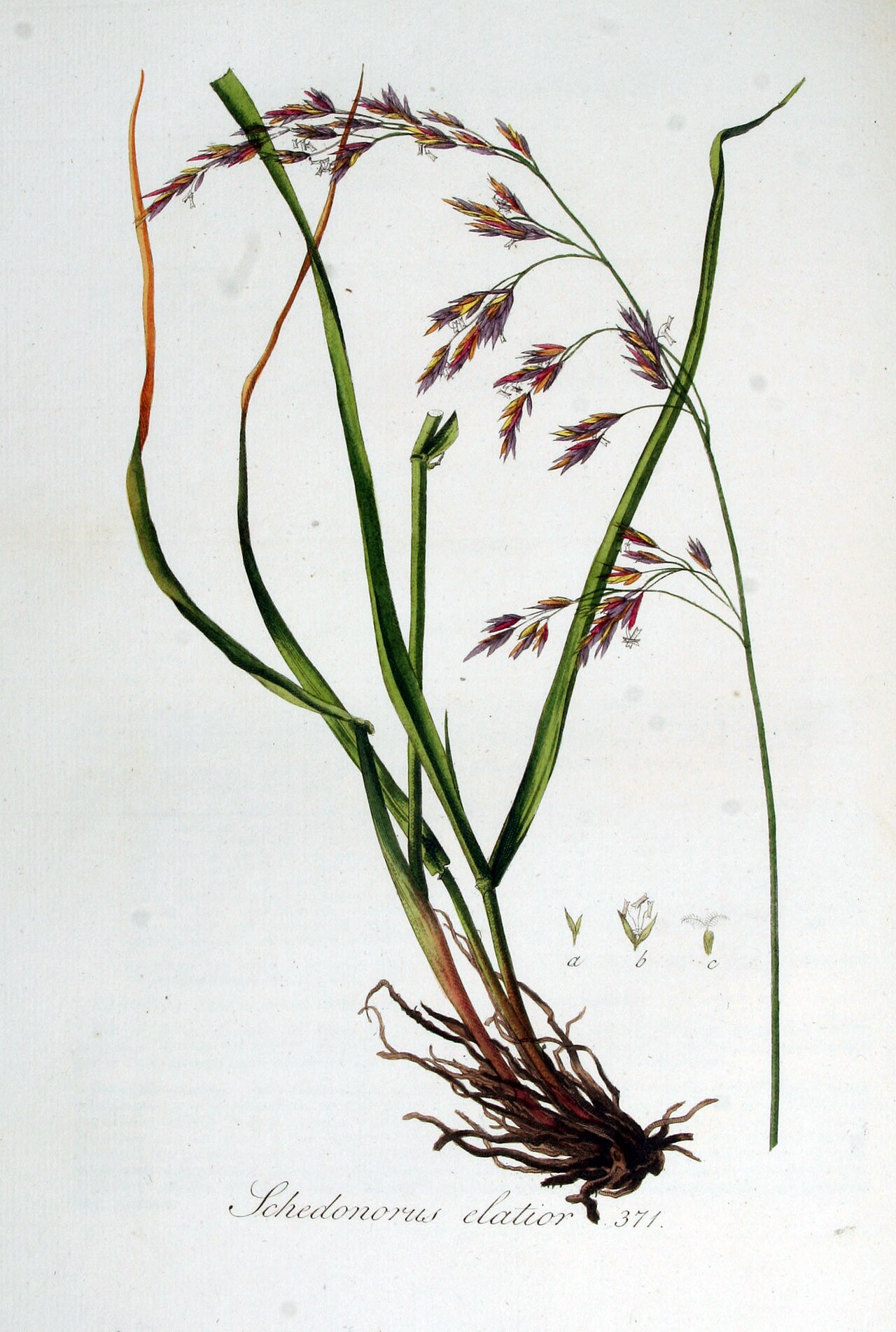
Photo: Jan Kops, Flora Batava / Wikimedia Commons (public domain)
Source: Future Farming

Comments
(0)