
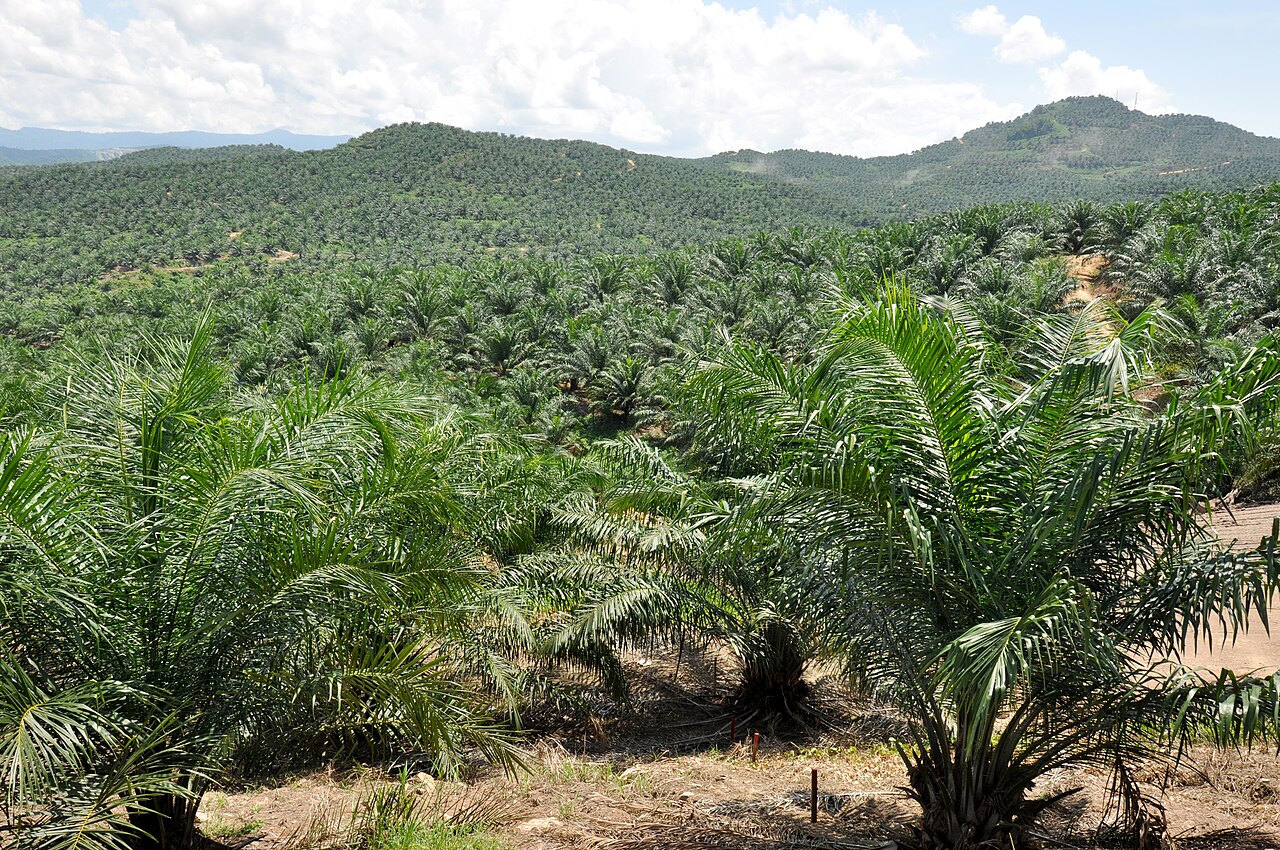
EarthSense, an agricultural robotics company, is fitting its precision fertiliser technology to tractors that oil palm plantations already own, instead of waiting for estates to adopt its autonomous robots. The kit, a camera, an onboard computer and a smart fertiliser spreader, bolts onto an existing tractor and costs about US$25,000 a unit, the company estimates.
The problem it targets is fertiliser that is scarce, expensive and unevenly spread. Co-founder and chief executive Chinmay Soman told AgNavigator, at the Asia Pacific Agri Food Summit in Singapore in October, that many plantations in Malaysia and Indonesia cannot even find fertiliser to buy. On a typical estate, he said, fertiliser tends to pile up near roads and paths that are easy to reach while trees further away get less. "If the plants don't get fertiliser, they can't produce enough fruit, so income goes down significantly," he said.
The system controls how much fertiliser goes on, records where it was spread and builds plantation-wide information on tree health, crop performance and disease risk. Operators keep driving their own machines. "You guys already have tractors... We have people that can drive tractors. Let's make the tractors smarter," Soman said of the reasoning.
EarthSense spent several years building robots that apply fertiliser on their own in oil palm, and they remain part of its long-term plan. The retrofit, Soman said, is a faster way to reach the larger part of the market that wants to keep using its tractors.
Demand has run ahead of production. The company has a pipeline of about 100 smart spreaders due for delivery by the end of 2027, with about 20 expected in the first quarter. It is raising US$2 million through its Malaysian subsidiary from local investors and is weighing a similar step in Indonesia, where palm oil producers have already placed orders. It plans to stay with oil palm for now rather than spread into other crops.
Reporting by Amanda Lim for AgNavigator.
Photo: T. R. Shankar Raman / Wikimedia Commons (CC BY-SA 4.0)
Source: AgNavigator


Comments
(0)