
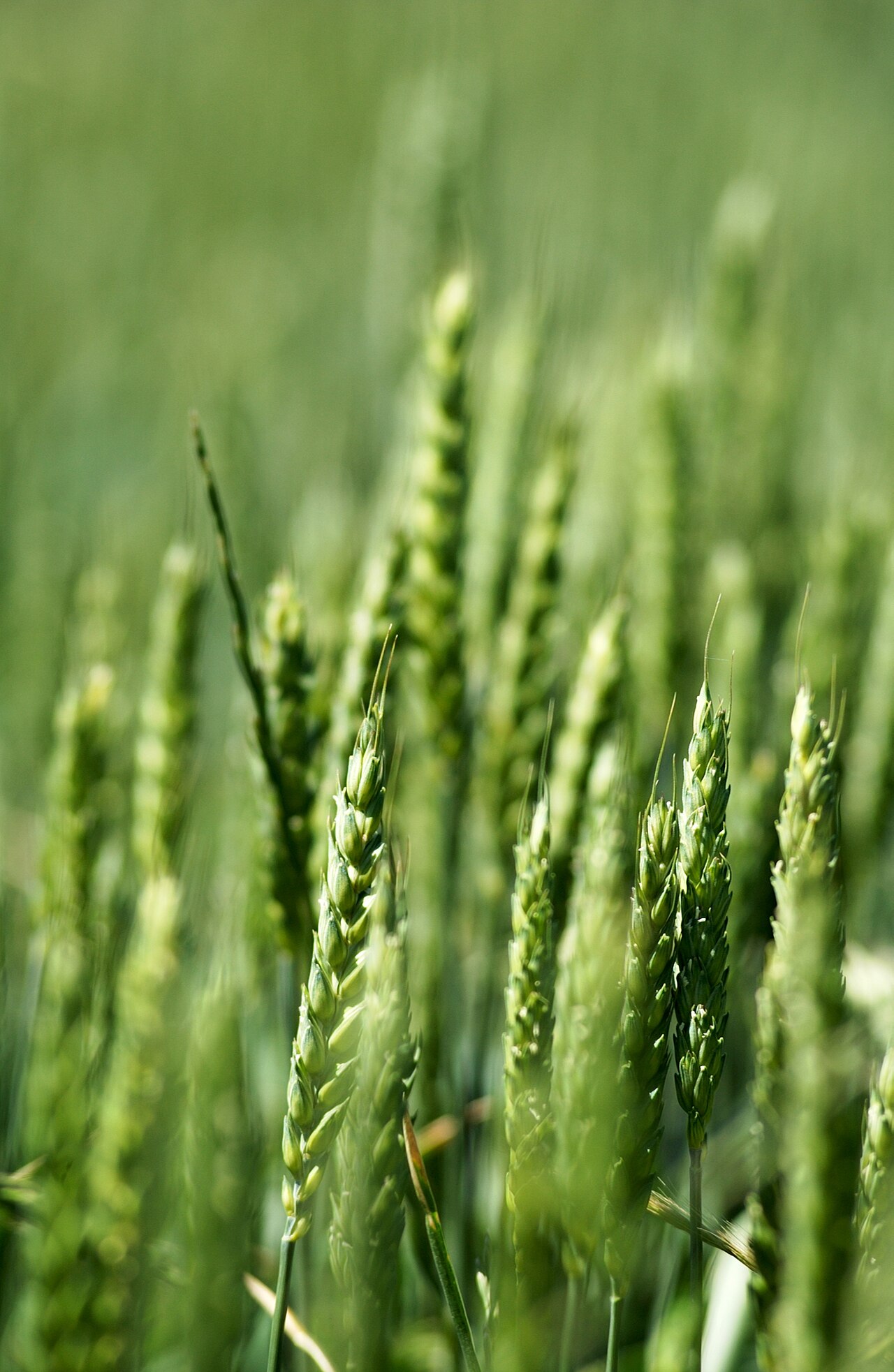
Australian scientists are testing whether a hyperspectral camera on a drone can tell wheat breeders which plants are using water and energy well, traits that are invisible to the eye and too slow to measure by hand across a breeding trial. The work is CSIRO's AcceleTraitPlus project, funded by the Grains Research and Development Corporation (GRDC) and run with a commercial breeding partner.
A wheat plant can look healthy while using too much water, burning energy inefficiently or filling its grain slowly. Such differences leave traces in the light its leaves reflect. Hyperspectral imaging splits that light into hundreds of narrow bands, many beyond human vision, and the team is checking whether those patterns reliably reveal why some varieties cope better with heat and drought. "We use X-rays to see through our bodies to see our bones; similarly, there are things we cannot see that hyperspectral vision technology can see," said CSIRO senior experimental scientist Aswin Singaram Natarajan.
The project targets photosynthesis, the plant's use of sunlight and carbon dioxide to make sugars, and respiration, which spends those sugars to keep cells alive and growing, including at night. Knowing how efficiently a line captures and uses energy could help breeders choose between lines, but measuring it across hundreds of plots has been too slow and costly for routine work.
Grain-filling rate, which governs final grain size and feeds into yield, may be the strongest result so far. Measuring it by hand means visiting a trial site 10 to 12 times in a season, collecting thousands of wheat heads, then drying and weighing them. The team is now training the drone camera to predict the rate from the air.
GRDC's senior manager for genetic technologies in cereals, Jessica Hyles, said testing the tools with a commercial breeder was meant to keep them practical: "Ultimately, we want growers to have varieties with higher yield potential, better water use and more reliable field performance." CSIRO project leader Dr Anton Wasson said heavy investment in plant physiology has so far seen limited uptake by commercial breeders, because many useful traits could not be measured cheaply at their scale.
The project is part of a wider push to make phenomics, the large-scale measurement of plant traits with sensors and imaging, part of everyday breeding, so that physiological research reaches the varieties farmers sow.
Photo: Carl Davies, CSIRO / Wikimedia Commons (CC BY 3.0)
Source: Seed World Europe

Comments
(0)