
Weed control in summer crops cannot wait until weeds are visible, Theunis Meiring, an area sales manager at Syngenta in South Africa, told Farmer's Weekly ahead of the planting season. For maize, soya beans and sunflower, he said, the period just before and after the crop emerges decides much of the yield.
"Maize determines its yield potential between the three- and five-leaf stages," Meiring said. Of all early stresses, weeds matter most: if control is not complete until the V5 stage, "the damage to yield has already been done, and it is irreversible." Removing weeds later does not bring back what was lost, which is why he calls pre-emergence control critically important. Soya beans and sunflower follow the same principle, though their critical periods differ.
He urged farmers to treat weed management as a continuous job that begins straight after the previous harvest. Some weeds have to be dealt with then, because they cannot be controlled later, and certain weeds left between seasons feed pests such as cutworm, which then attack newly planted maize and soya beans. A winter spray can prepare fields, but farmers must balance weed control against keeping residue and soil cover, which reduce soil loss in windy conditions and provide cattle feed.
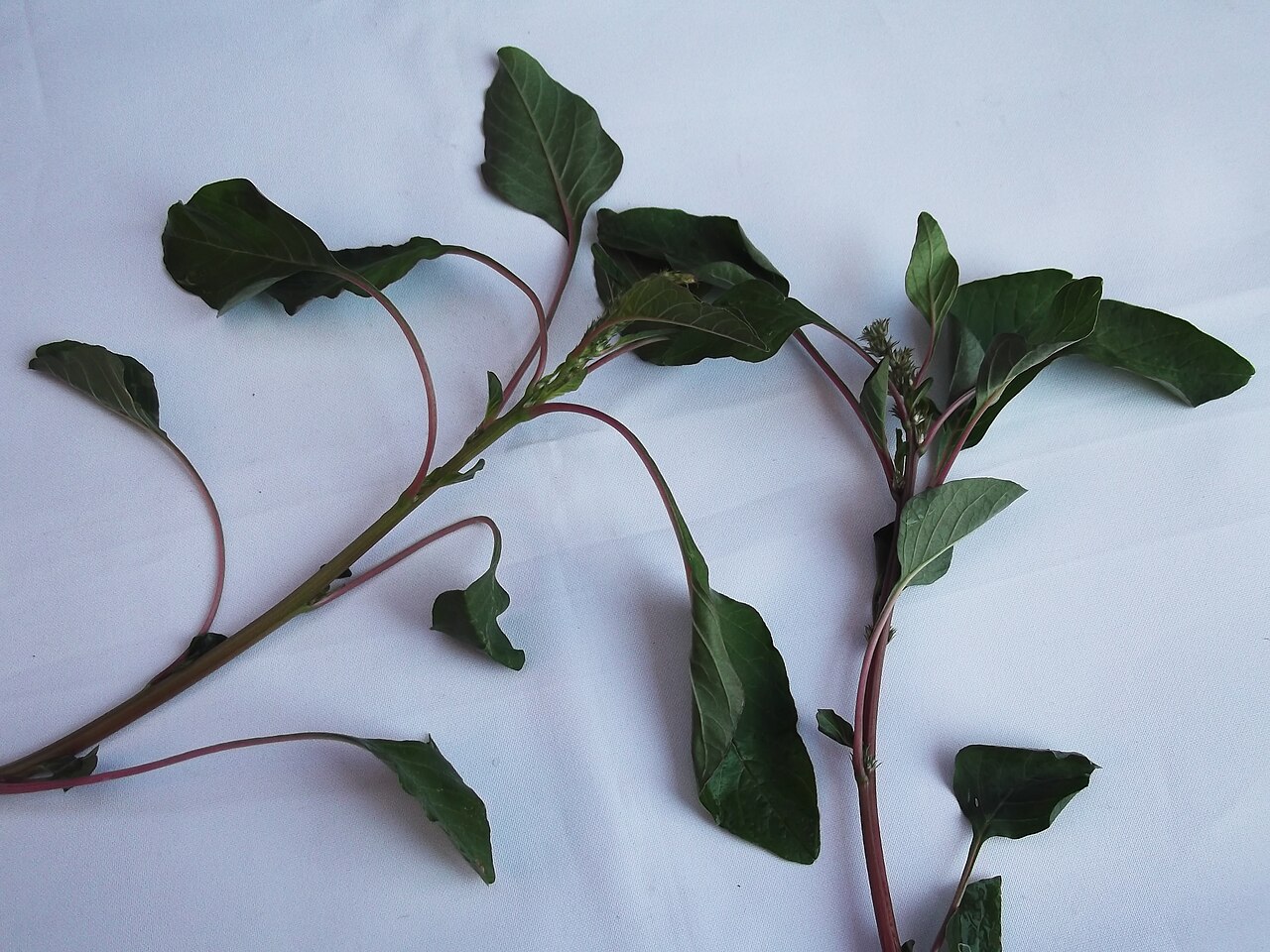
Knowing which weeds are present is the starting point, because the problem species differ by region. Meiring named nutsedge as a major problem and pointed to Amaranthus species. Some can still be controlled with suitable herbicides, but Amaranthus palmeri, which he called a superweed, has populations resistant to certain herbicide groups and is very hard to control once it has emerged.
He advised farmers to scout fields before planting and to check the current registration status of any herbicide before relying on it, since products once used against a given weed may no longer be registered. The interview was conducted by Octavia Avesca Spandiel.
Photo: Yercaud-elango / Wikimedia Commons (CC BY-SA 4.0)
Source: Farmers Weekly South Africa

Comments
(0)