
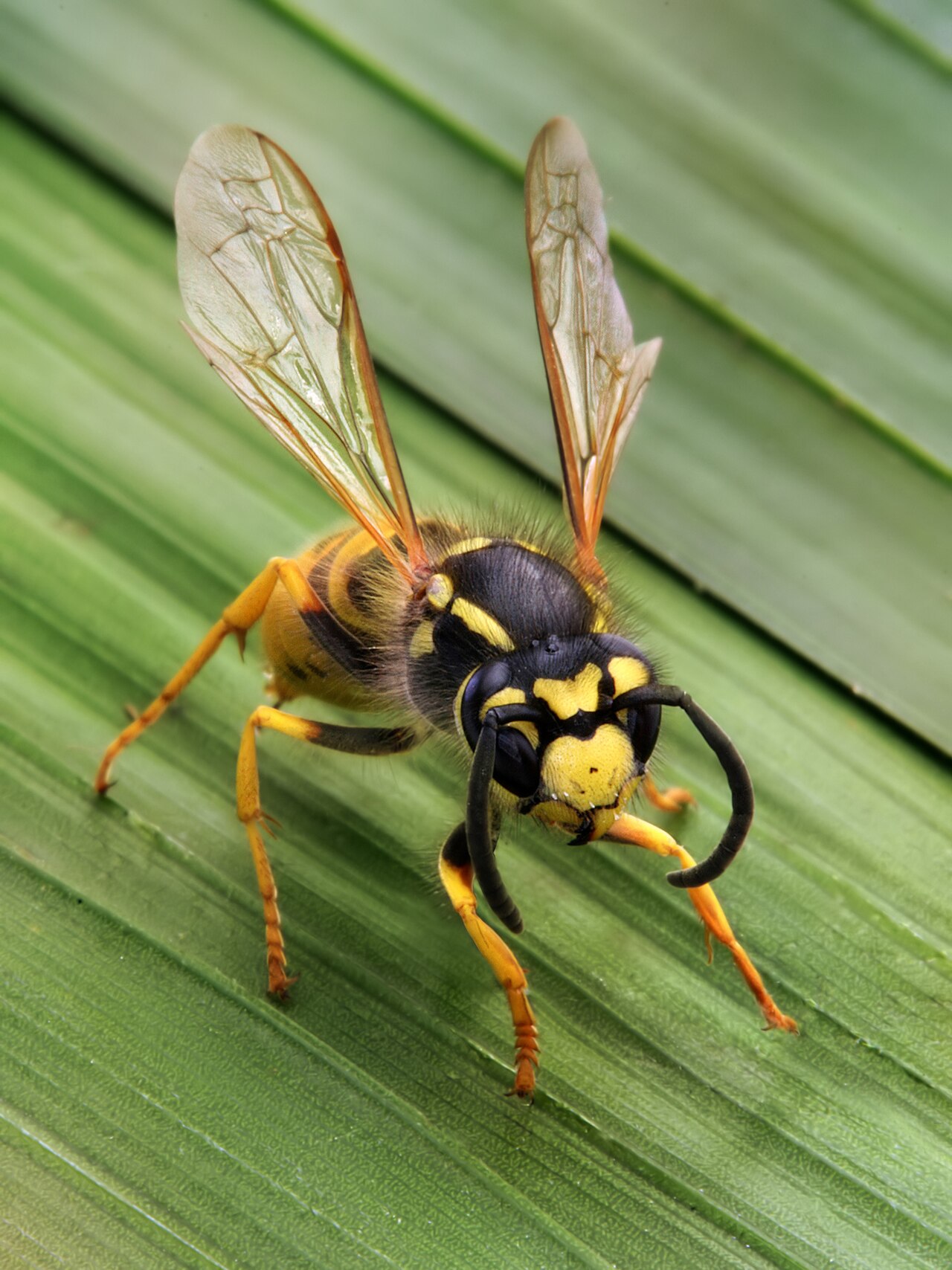
Scientists at New Zealand's Bioeconomy Science Institute are testing whether drones can destroy wasp and hornet nests built high in trees and other places that are dangerous for people to reach, Rural News reports.
Drones with thermal cameras are already used to find hidden nests. The new research goes a step further, to see whether a drone can also kill the nest. Dr Justin Nairn, who leads the project, said the aim is to add a new tool to the country's biosecurity toolkit, and that the team is assessing whether commercially available drones can be adapted or a purpose-built system is needed.
"Removing hornet and wasp nests from heights or challenging terrain poses a significant risk to pest control contractors. A remotely operated system would allow them to treat nests from a safe distance, with their feet firmly on the ground," Nairn said. One approach being explored is a drone fitted with a specialised lance that pierces the nest and injects insecticide directly inside, copying the manual method without putting a contractor at height next to the nest.
The work builds on the wide use of drones for pest management in New Zealand. The team will look at systems tried overseas, such as drones carrying precision sprays and flame throwers, but Nairn said New Zealand needs a tailored solution that is effective and practical and meets its safety, environmental, biosecurity and aviation rules.
He said the team expects to choose its preferred drone system within a year, and the project could be accelerated if the technology is needed urgently to support the current hornet response.
Photo: Richard Bartz / Wikimedia Commons (CC BY-SA 2.5)
Source: Rural News Group

Comments
(0)