
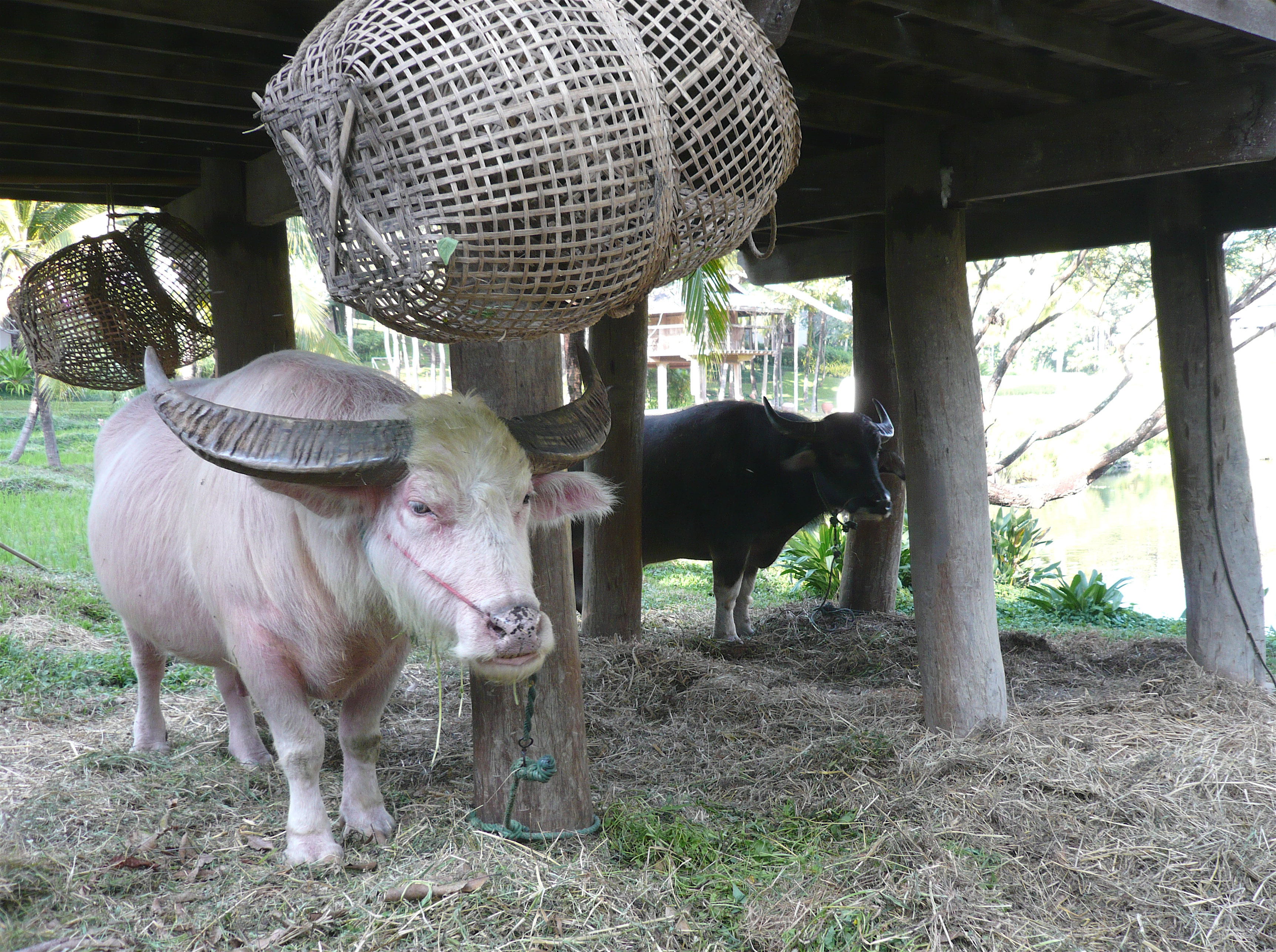
On Wednesday 27 May 2026, the day before Eid-ul-Azha, the much-discussed albino buffalo nicknamed 'Donald Trump', which had been sold for sacrifice, was spared. After Home Minister Salahuddin Ahmed intervened, the buyer's money was refunded and the buffalo was taken that afternoon to Keraniganj Model Police Station in Dhaka. Jagonews24 reported that evening that it would be moved from the police station to the National Zoo in Mirpur and looked after there.
The buffalo, weighing about 700 kg, had been raised at Rabeya Agro Farm in Paikpara, a neighbourhood of Narayanganj town. Many people thought the pale tuft of hair on the front of its head, and its eyes, looked like those of US President Donald Trump, so the younger brother of farm owner Ziauddin Mridha affectionately named it 'Trump'. Once Bangladeshi media reported on it in early May, the animal quickly became a talking point, and foreign outlets including Reuters and AFP then covered it. According to the national moon-sighting committee, Eid-ul-Azha was to be celebrated in Bangladesh the next day, Thursday 28 May.
What happened on Wednesday afternoon
Reports published by several Bangladeshi outlets up to that evening set out how the day unfolded. The daily Ittefaq reported at about 6.40 pm that Home Minister Salahuddin Ahmed had told a private television channel the decision was taken, and the buyer in Keraniganj refunded, because of fears of excessive crowds and possible disorder around the buffalo. Bangla Tribune wrote that the deputy chief information officer of the Ministry of Home Affairs had confirmed the same. These first reports said that, for now, the buffalo would be kept at the Narayanganj farm as before.
According to Prothom Alo, a police officer arrived at the buyer's home in the Jinjira area of Keraniganj at about 4 pm and spoke to the owner. Speaking on condition of anonymity, the officer told the paper that instructions had come 'from above' that the buffalo could not be sacrificed and that it was to be taken to the police station for the time being. At about 5.30 pm the buffalo was seen being loaded onto a truck and driven to the station.
The buyer told Prothom Alo he had brought the buffalo home from the farm three days earlier. After people from the police station came and said it would be taken to the government, he said: 'We don't want any disorder. The government wanted it, so we gave it.' Asked what they would get in return, he said the government had told them it would either refund the price or give them a cow for the sacrifice. The paper added that crowds of visitors had grown so large after the buffalo arrived that the family had been forced to keep it tied up indoors, and that many visitors turned away disappointed after it had been taken to the station.
The officer-in-charge of Keraniganj Model Police Station told Prothom Alo the buffalo had been brought back from the owner's house and, being a rare animal, would be handed over to the livestock ministry. Another Ittefaq report said that when word spread that the buffalo was at the station, children, teenagers and young men gathered there, and the officer-in-charge ordered the main gate kept shut for fear of crowding and disorder. At about 8.45 pm Jagonews24 reported that the buffalo would be taken from the station to the National Zoo in Mirpur.
'Donald Trump' at Rabeya Agro Farm
Prothom Alo first reported on the buffalo on 12 May 2026. It described the pink-skinned animal standing out among the cattle, buffaloes, goats and sheep at Rabeya Agro Farm in Paikpara. Citing the farm, the paper said the buffalo had been bought at the Rajshahi City cattle market about a month after the previous year's Eid-ul-Azha and had been raised with special care ever since. That report gave its age as three and a half years; the AFP news agency put it at four.
Farm owner Ziauddin Mridha told Prothom Alo: 'Because the hair on the front of its head looks a lot like Donald Trump's, we named it Donald Trump. It is as calm in nature as it is attractive to look at. This is an albino buffalo. Buffaloes of this kind are usually calm. They do not easily turn aggressive unless provoked.' He told The Business Standard's Bangla edition that the buffalo had been bought at a market in Rajshahi about ten months earlier and that his younger brother had given it the name as a joke after seeing its hair.
Citing the caretakers, the reports listed the buffalo's diet: maize, soybean, oil cake, wheat bran, sesame cake, rice bran, straw and green grass. One caretaker told Prothom Alo it was fed twice a day at fixed times and given regular care to keep it healthy; The Business Standard was told it was bathed four times a day. The owner told Reuters the buffalo had needed special care before Eid, including four baths and four meals a day to keep it healthy and in good condition, and extra attention every day.
The farm said it had prepared about 200 animals for that year's Eid. A farm worker told Desh Rupantor there were other animals with playful names, such as 'Tufan'. According to AFP, one animal had been named 'Neymar' because its hair resembled the Brazilian footballer's cut. 'Donald Trump' itself had already been sold: by the farm's account, to a buyer in Dhaka at Tk 550 per kilogram of live weight.
From social media to the foreign press
On 12 May, The Business Standard's Bangla edition reported that crowds at the farm had multiplied since the buffalo went viral on social media, with visitors taking photographs and some daring to touch it. The next day Desh Rupantor wrote that people were filming videos, going live on social media to introduce others to 'Narayanganj's Trump', and arriving in their hundreds every day. In the paper's words, the old custom of going to see animals before Eid had that year gained a new attraction: a look at the viral buffalo.
AFP's report appeared on 21 May and was carried by The Business Standard's Bangla edition and by Africanews. It said caretakers brushed the buffalo's pale hair before visitors arrived. The owner said the constant crowds had stressed the animal and it had lost some weight, so the farm had restricted public access. Visitors still came from surrounding districts, some by boat; one told AFP that his nephew had rowed for an hour just to see the buffalo. The owner said he would miss it, but that sacrifice was the heart of Eid-ul-Azha.
On 22 May Reuters wrote that a rare albino buffalo with flowing blond hair had become an unlikely celebrity in Bangladesh ahead of Eid al-Adha. In Reuters' description, most buffaloes in Bangladesh are dark-skinned, so the animal's cream-coloured body, pinkish nose and long blond hair made it stand out among the thousands of cattle prepared for the festival. The agency added that in recent years unusually large or distinctive sacrificial animals in Bangladesh have often become viral Eid attractions, frequently given celebrity-inspired names to draw buyers and visitors.
The owner told Reuters that despite its striking appearance the buffalo was very calm by nature, and that it had already been delivered to a customer for sacrifice. Prothom Alo reported on 26 May that, besides Reuters, The Telegraph, the New York Post and other foreign outlets had published reports on the buffalo.
A red-carpet farewell
On the afternoon of Monday 25 May, when the buyer came to collect the buffalo, Rabeya Agro Farm staged an unusual send-off. From midday, farm workers bathed the animal and prepared it. It was then given a special headdress and regal clothing and walked along a red carpet to the vehicle amid clouds of coloured smoke. The farm's owners and others present became emotional as they said goodbye. The buyer and his companions then took the buffalo to Dhaka.
Ziauddin Mridha told Prothom Alo: 'We raised the buffalo. It went viral, and Rabeya Agro Farm has become known around the world. It hurts to say goodbye to him. But a sacrificial animal is meant for sacrifice. We will remember Donald Trump for the rest of our lives.' A farm worker told the paper he did not know of any sacrificial animal in Bangladesh having gone viral like this before.
Citing the farm, Prothom Alo reported that hundreds of people had come to the farm every day once the buffalo went viral, not only from Narayanganj and Dhaka but from distant districts such as Barishal and Cumilla, and that many were disappointed they could not buy it. Two days later, on the afternoon before Eid, the government's intervention called off the sacrifice.
What an albino buffalo is
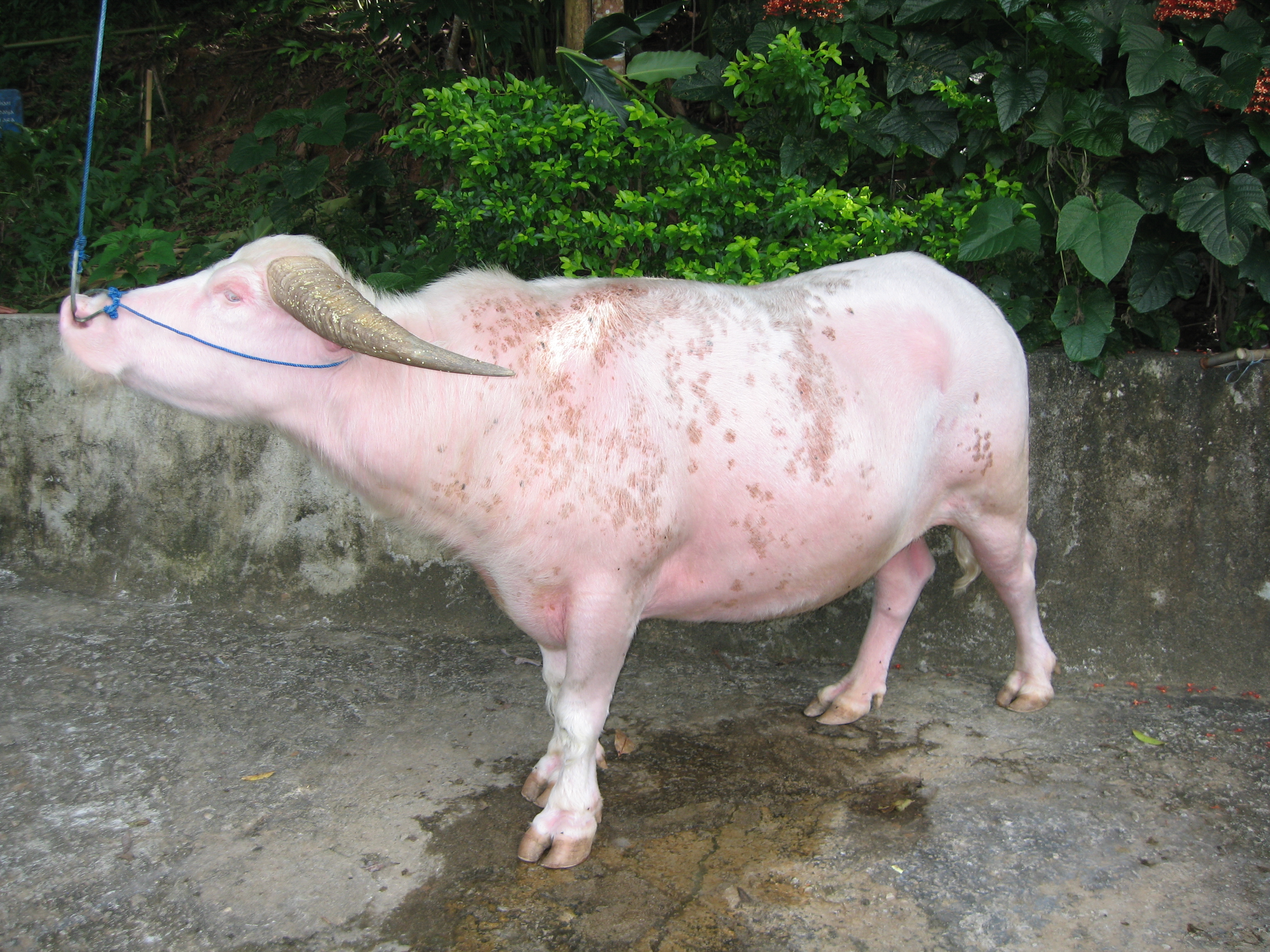
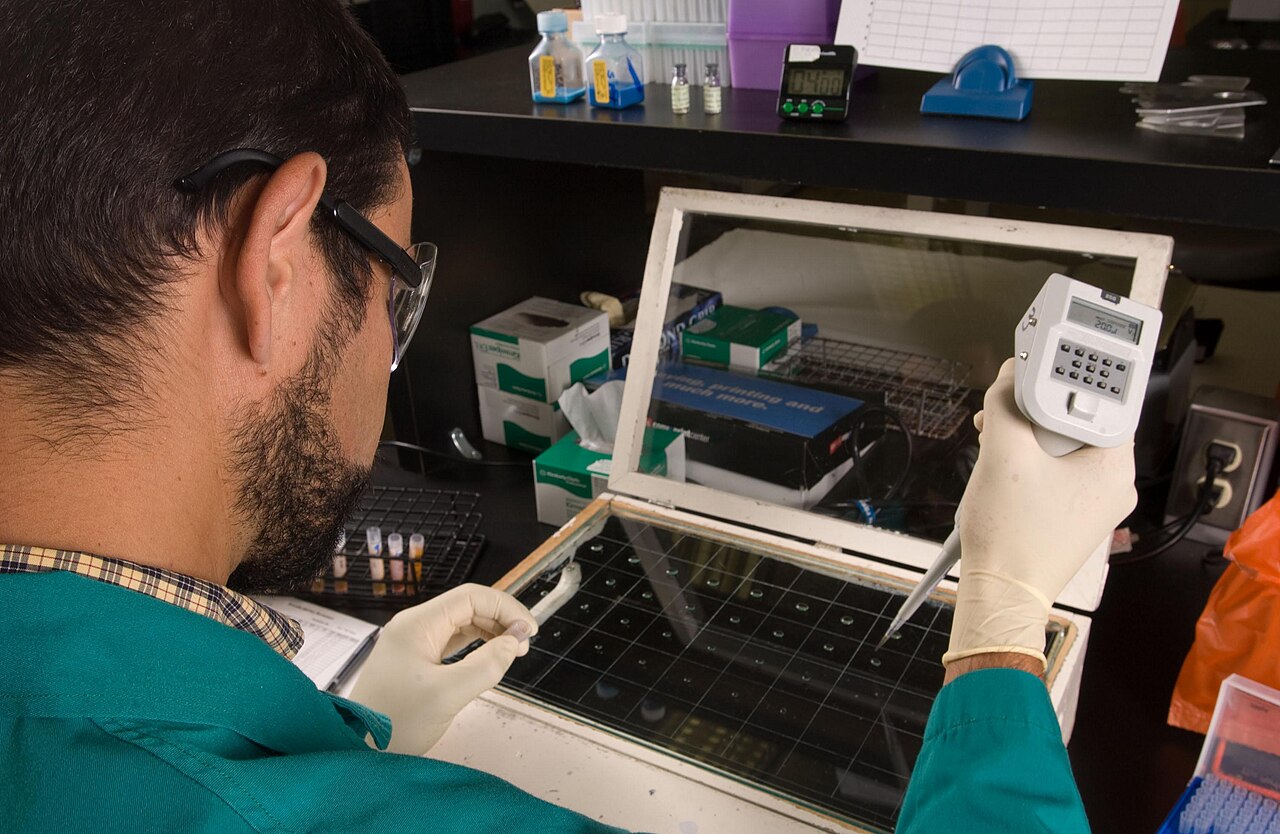
Although the media called it an 'albino breed', albinism is not a breed but an inherited condition. A paper published in the journal BMC Genetics in 2012 describes oculocutaneous albinism as a hereditary pigmentation disorder of humans and animals in which melanin is partly or wholly absent from the hair, skin and eyes. The enzyme tyrosinase drives the first two steps of melanin production; when it is not made, melanin is not made either.
That Brazilian study examined albinism in a herd of Murrah buffalo in the southern state of Rio Grande do Sul. The researchers found that affected buffalo lacked pigment in the hair, skin, horns, hooves, mucosa and iris, and suffered from photophobia, a sensitivity to light. A single-base change in the tyrosinase gene made the protein inactive, and pedigree analysis showed the trait is passed on in a recessive pattern. The paper also notes earlier reports of albinism in an Anatolian buffalo calf in Turkey and the description, in 1925, of a white water buffalo calf.
AFP, citing officials of the Department of Livestock Services, reported that albino buffaloes are extremely rare because of low melanin production. Narayanganj's district livestock officer told Desh Rupantor on 13 May that the animal was not a rare foreign breed but a local buffalo of albino type, and that such unusual colouring appears because the body has too little pigment.
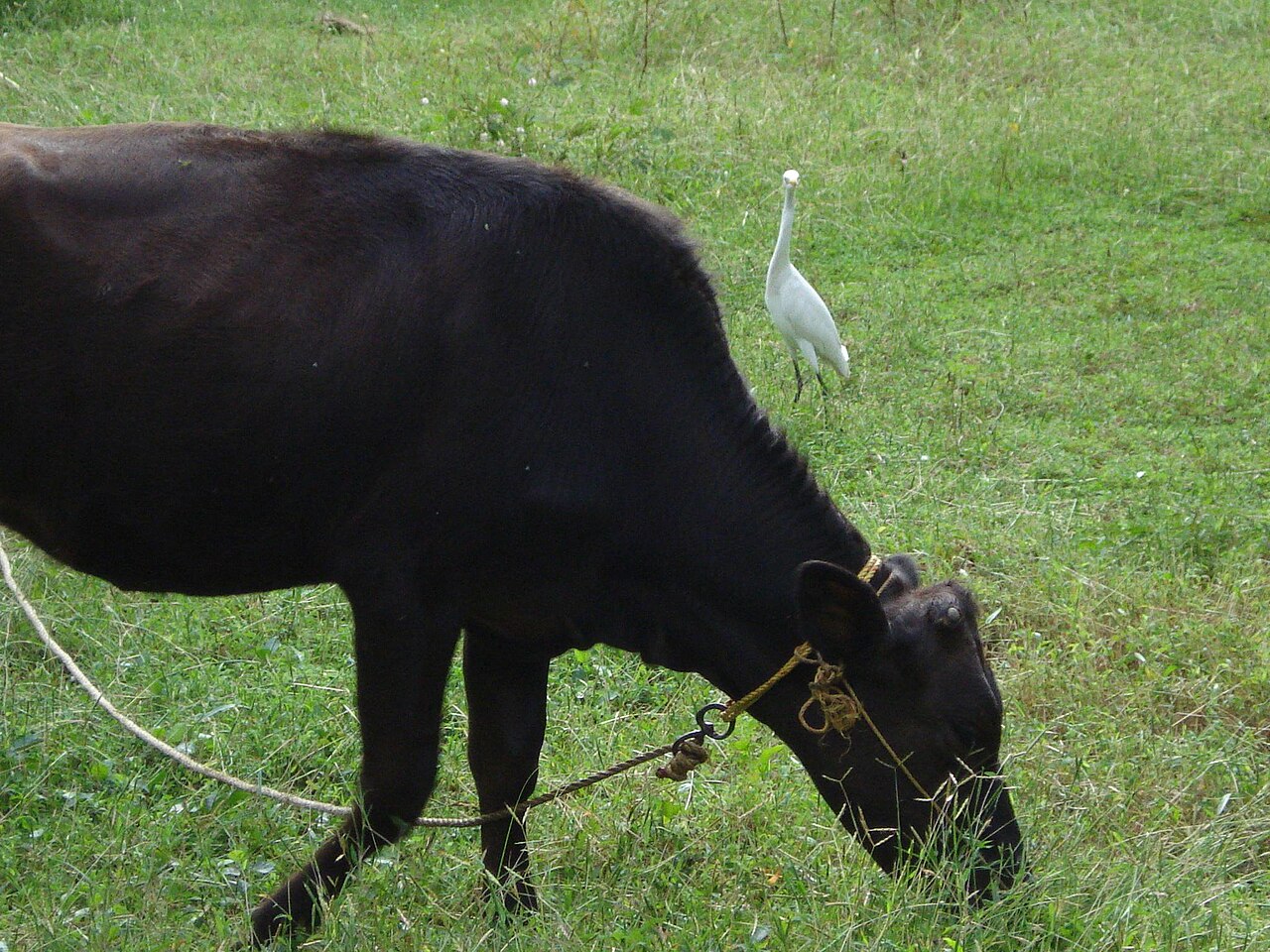
According to Wikipedia's article on the water buffalo, river buffaloes usually have black skin, some of them dark slate-coloured, while swamp buffaloes are grey at birth and later turn slate blue; albinoids occur in some populations. The Toraja people of Sulawesi in Indonesia particularly favour a piebald black-and-white buffalo known as tedong bonga.
Buffaloes in Bangladesh
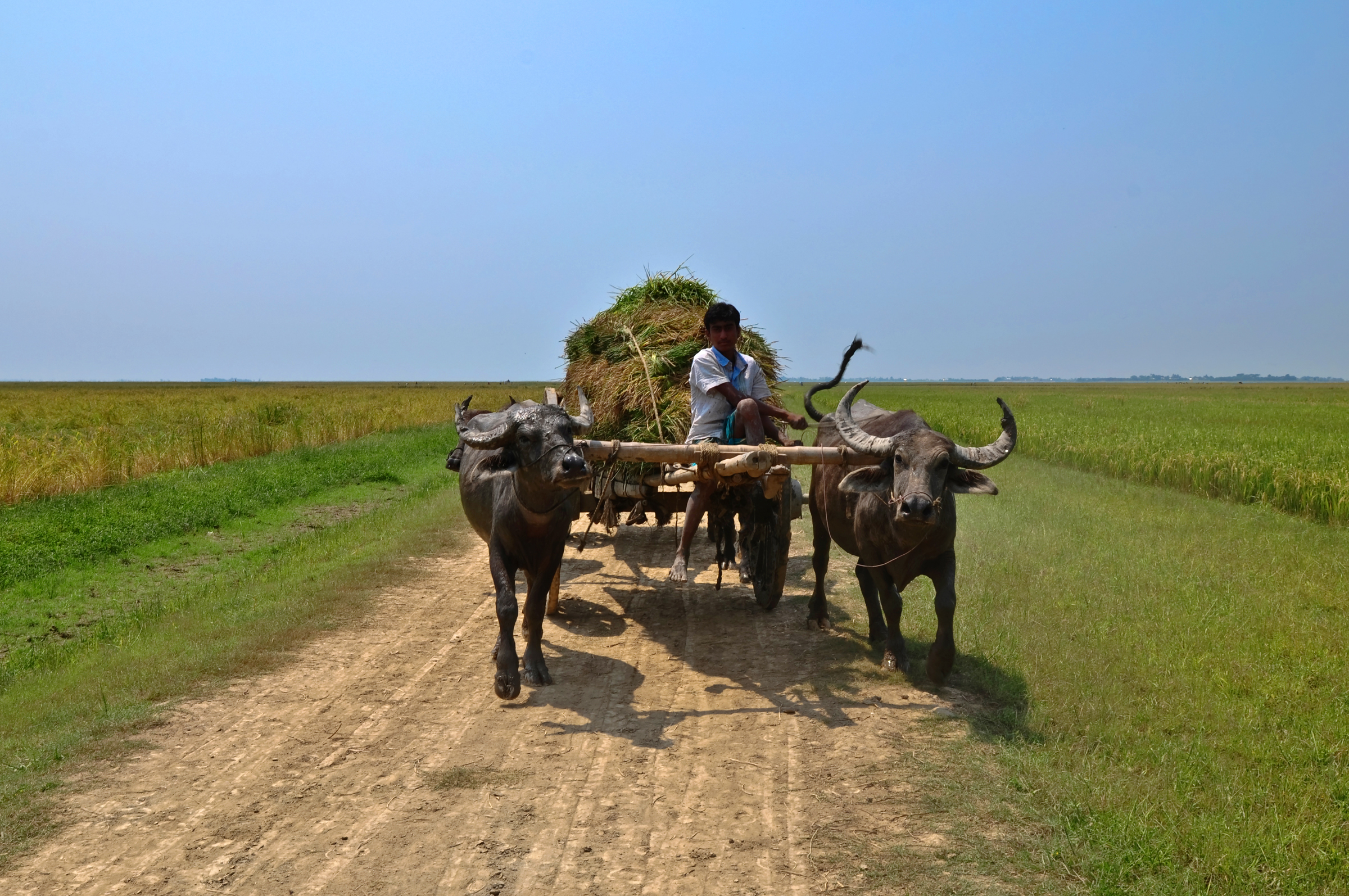
According to the Department of Livestock Services' 'Livestock Economy at a Glance (2023-2024)', Bangladesh had 15.24 lakh (1.524 million) buffaloes in fiscal 2023-24, up from 14.64 lakh in 2014-15. In the same year the country had 250.13 lakh cattle, 271.17 lakh goats and 39.03 lakh sheep. By the department's figures, milk production in 2023-24 was 150.44 lakh tonnes and meat production 92.25 lakh tonnes. Livestock contributed a provisional 1.80 per cent of GDP at constant prices and 16.33 per cent of agricultural GDP.
A review by researchers of the Bangladesh Livestock Research Institute (BLRI) and Bangladesh Agricultural University, published in the journal Veterinary and Animal Science in August 2025, gives a fuller picture. It puts the buffalo population at about 1.508 million, mostly indigenous. Two types are found in the country: the river buffalo, with 50 chromosomes, and the swamp buffalo, with 48. Among river breeds, Murrah, Nili-Ravi, Surti and Jaffarabadi are known for high milk yields.
According to the review, about 40 per cent of the country's buffaloes are in coastal areas and the rest are spread across the Meghna-Ganges and Jamuna-Brahmaputra floodplains. Fifty-six per cent are raised extensively on grazing, 42 per cent semi-intensively and only 2 per cent intensively. Buffaloes supply only 1.40 per cent of the country's milk and 0.95 per cent of its meat, far below India, Pakistan, Nepal and Sri Lanka, and average yields are 2.5 to 4 litres a day. Crossbreeding with high-yielding breeds such as Murrah and Nili-Ravi had begun, the researchers wrote, but progress was limited by poor record-keeping and a lack of performance monitoring.
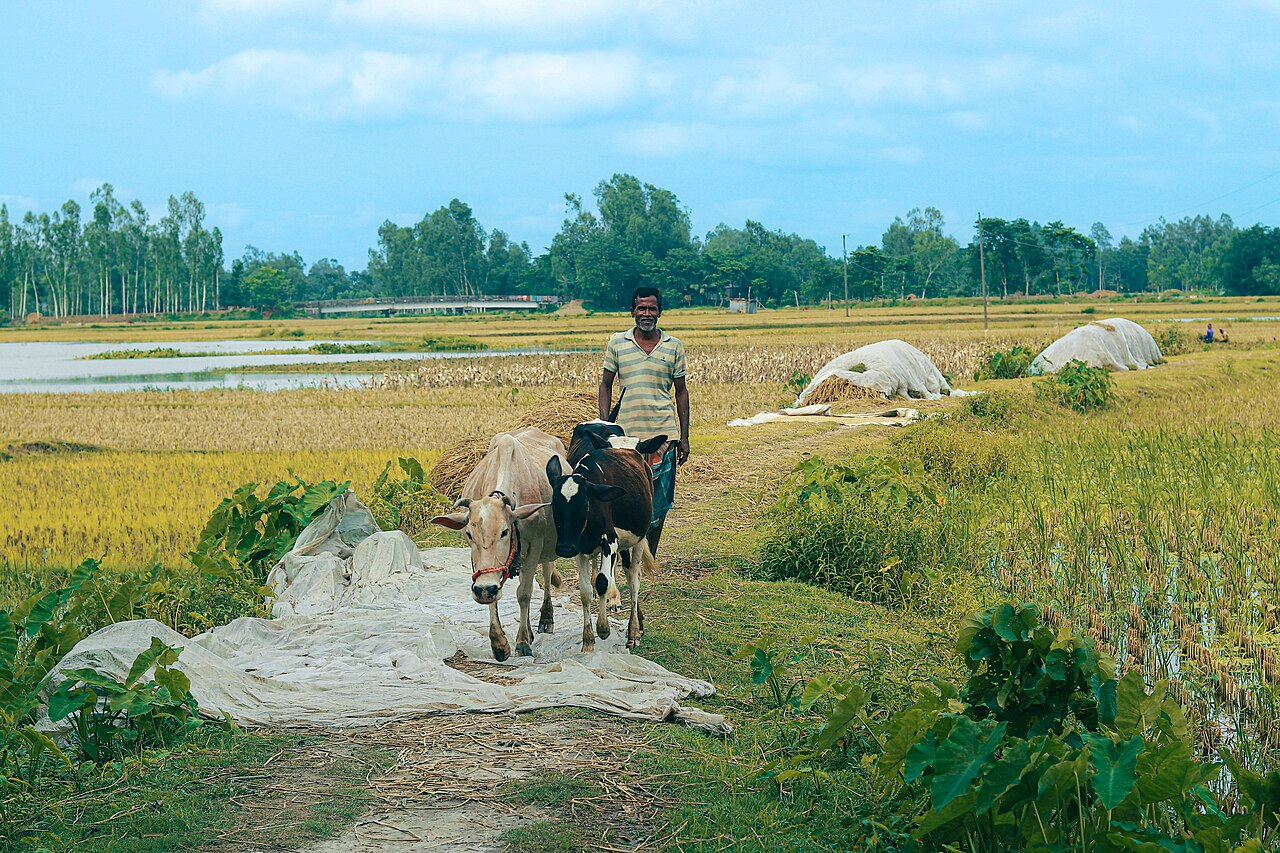
Banglapedia notes that Bangladesh has no important buffalo breed of its own and that in some districts buffaloes are used mainly as draught animals for ploughing and pulling carts. A buffalo needs at least 30 kg of grass a day, and a shortage of green fodder is the main constraint on raising them in the country. A female buffalo gives birth to a single calf after a gestation of about ten months.
Sacrificial animals in 2026
At a press conference on 3 May 2026, the Ministry of Fisheries and Livestock said 1 crore 23 lakh 33 thousand (12.33 million) animals were available for sacrifice that Eid-ul-Azha, against a demand of 1,01,06,334. They comprised 56,95,878 cattle and buffaloes, 66,32,307 goats and sheep, and 5,655 animals of other species. The previous year, 2025, 1,24,47,337 animals had been available and 33.10 lakh were left over after Eid.
The press conference said no animals would be imported for the sacrifice that year because supply exceeded demand. Twenty-seven cattle markets were to be held in the two Dhaka city corporations and 3,678 across the country, with 20 veterinary medical teams and two specialist teams in the capital's markets for first aid. No fee or levy would be charged on animals sold online. AFP reported that more than 12 million animals were expected to be sacrificed across the country.
Figures for Narayanganj district were published at the same time. The district livestock officer told Prothom Alo on 12 May that the district's demand for sacrificial animals that year was 1,03,000, while 1,13,000 animals were ready at 6,535 farms. He added that he had heard a pink albino buffalo at one farm had been named 'Donald Trump'.
On the evening of 18 May, after a meeting of the national moon-sighting committee in the Islamic Foundation's conference room at the Baitul Mukarram National Mosque, it was announced that the Zilhaj moon had been sighted and that Eid-ul-Azha would be celebrated across the country on Thursday 28 May. At this festival, which commemorates the sacrifice of the Prophet Ibrahim (peace be upon him), Muslims sacrifice animals to seek Allah's pleasure. AFP noted that the festival is when many poor families get to eat their fill of meat at least once a year.
Narayanganj, Keraniganj and the National Zoo
According to Banglapedia, Narayanganj district covers 684.37 sq km. Narayanganj subdivision was formed in 1882 and became a district in 1984. The 2011 census put the district's population at 2,948,217. By Banglapedia's figures, commerce (23.87 per cent), service (23.13 per cent) and agriculture (14.38 per cent) were among the main sources of income. Paikpara, where the buffalo was raised, is an area of Narayanganj town itself.
Keraniganj, where the buffalo spent its last few days before the intervention, is an upazila of Dhaka district on the south-western side of Dhaka city. Banglapedia gives its area as 166.87 sq km; Keraniganj thana was formed in 1817 and became an upazila in 1983, and the 2011 census counted 794,360 residents. Jinjira Palace in the Jinjira area was built as a pleasure resort by the Mughal subahdar Ibrahim Khan II, and Jinjira Bazar is among the upazila's noted markets.
The Bangladesh National Zoo in Mirpur, Dhaka, is the country's largest zoo. According to Wikipedia, the 186-acre zoo opened at its present site on 23 June 1974 and is run by the Ministry of Fisheries and Livestock; it was renamed from Dhaka Zoo to Bangladesh National Zoo on 5 February 2015. It draws about three million visitors a year, and as of 2024 it held 2,150 animals of 191 species. The government first declared a zoo for Dhaka on 26 December 1950; it began at Segunbagicha, near the High Court, with a few spotted deer, peacocks, monkeys and elephants.
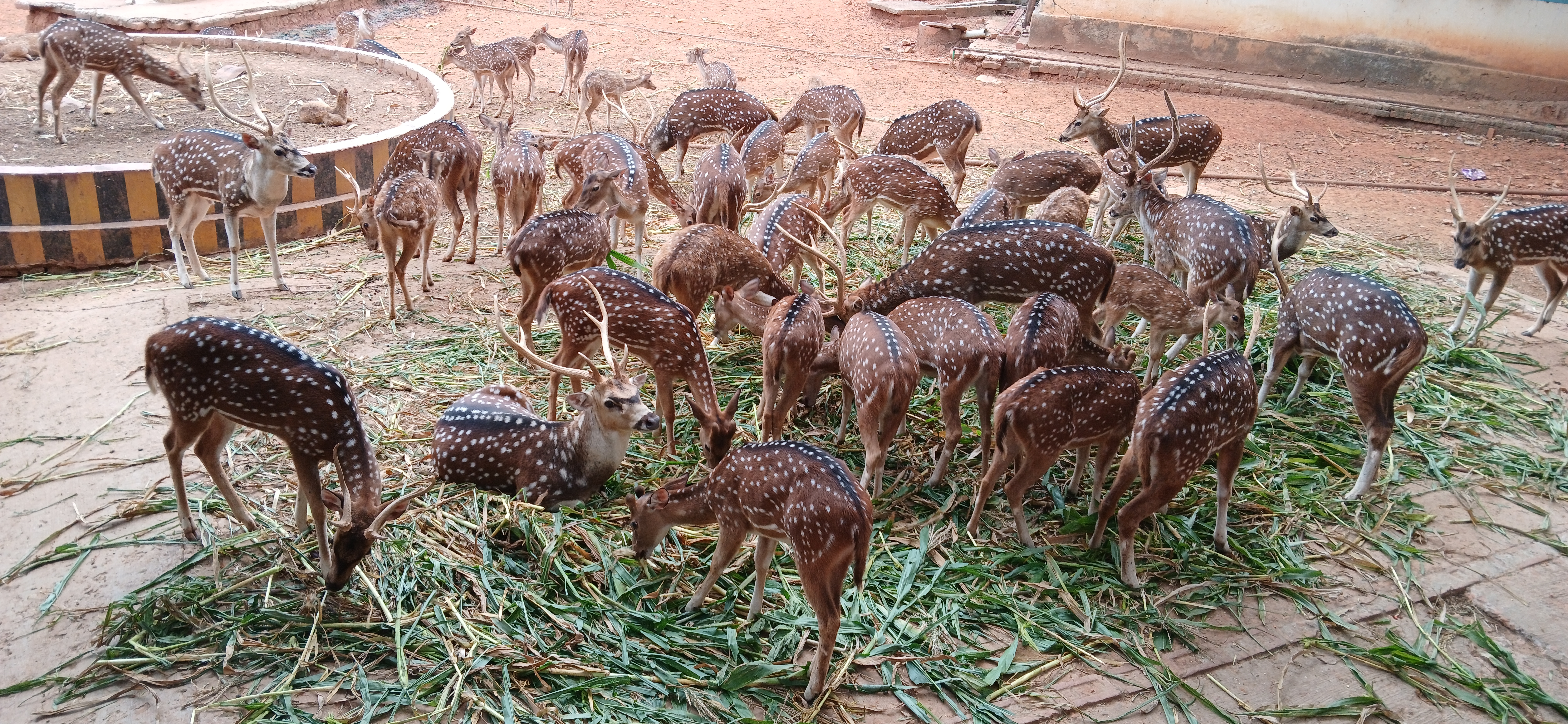
Photo: Steve Jurvetson / Wikimedia Commons (CC BY 2.0)
Sources: Jagonews24, Prothom Alo, The Daily Ittefaq, Bangla Tribune, Desh Rupantor, The Business Standard Bangla (AFP), Reuters, Africanews, Department of Livestock Services, BMC Genetics, Veterinary and Animal Science, Banglapedia, Wikipedia
Comments
(0)