
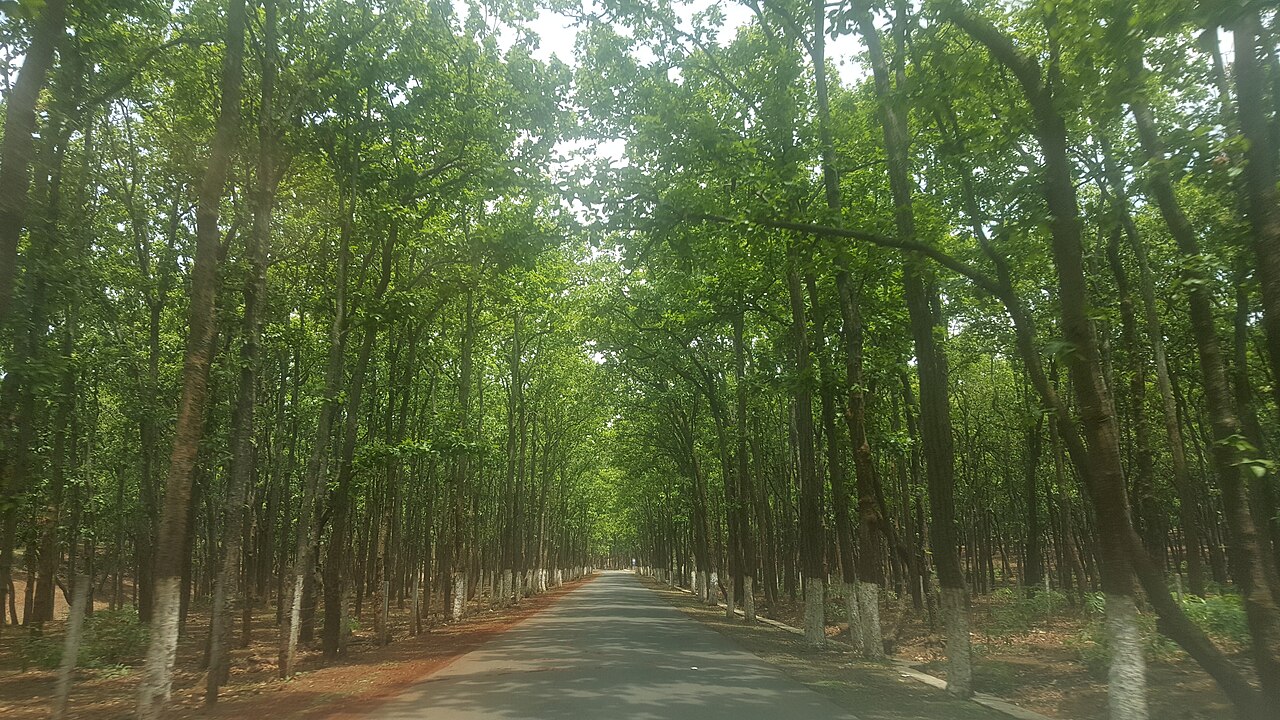
Felling has begun in Madhya Pradesh's Dindori forest division after permission was granted to cut nearly 150,000 sal trees attacked by the sal borer insect. About 2,000 of the roughly 146,000 trees identified have been felled so far, slowed by rain, and the Forest Department plans to finish by March, Divisional Forest Officer Bharti Thackeray told Down To Earth.
Ram Prasad, a retired Principal Chief Conservator of Forests in Madhya Pradesh and former director of the Indian Institute of Forest Management, has questioned the basis of the decision. In the 1990s he refused to sign a central committee report recommending felling of sal borer-affected trees.
Prasad said an independent assessment involving experts and stakeholders should have preceded the permission, and that the infestation should be studied as an ecosystem problem, including forest structure, fires, overgrazing, soil erosion and declining natural regeneration. If the decision stands, he said, it should be clear who assessed the site and what they found.
Photo: Ajaynioding / Wikimedia Commons (CC BY-SA 4.0)
Source: Down To Earth

Comments
(0)