
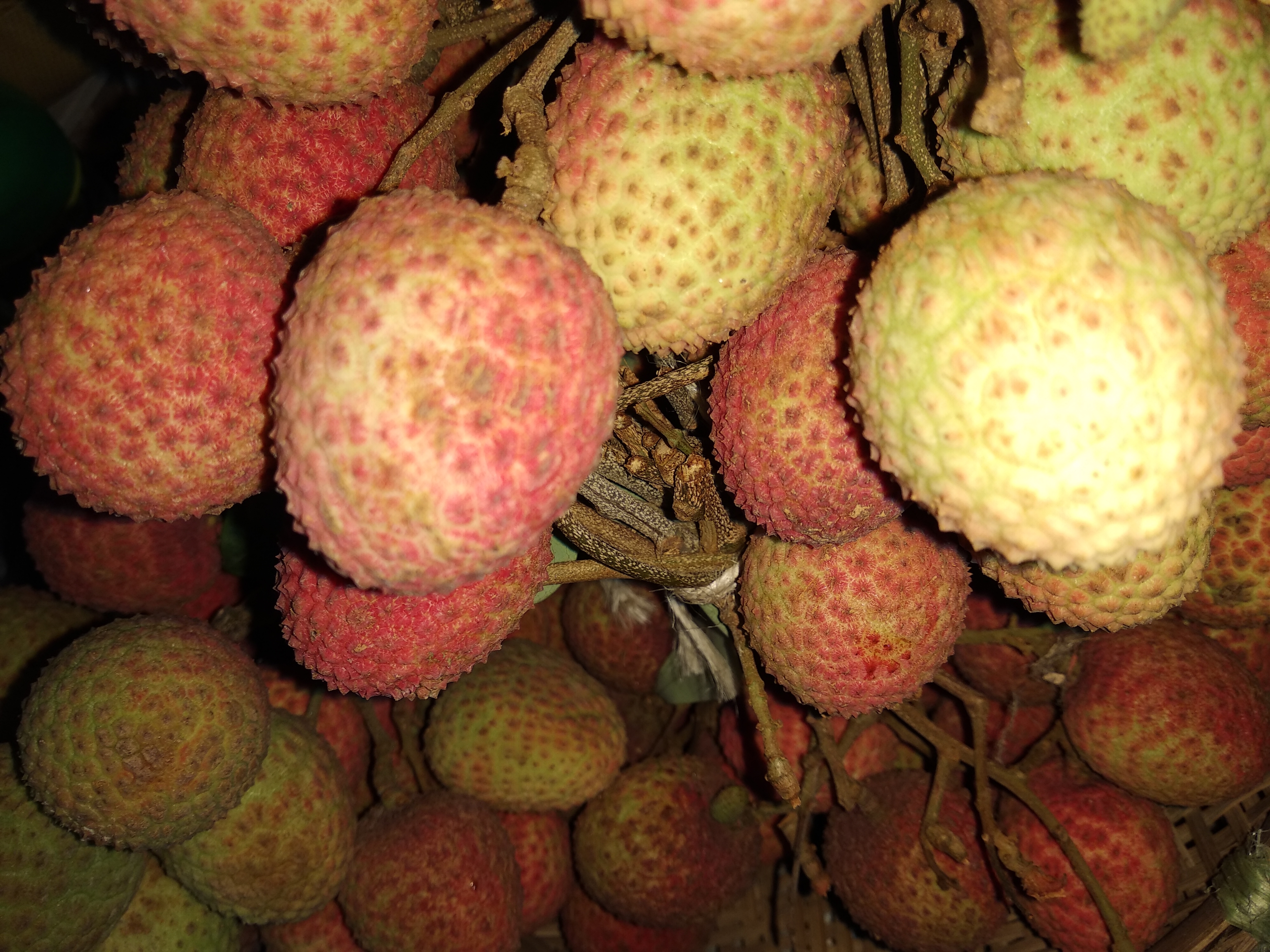
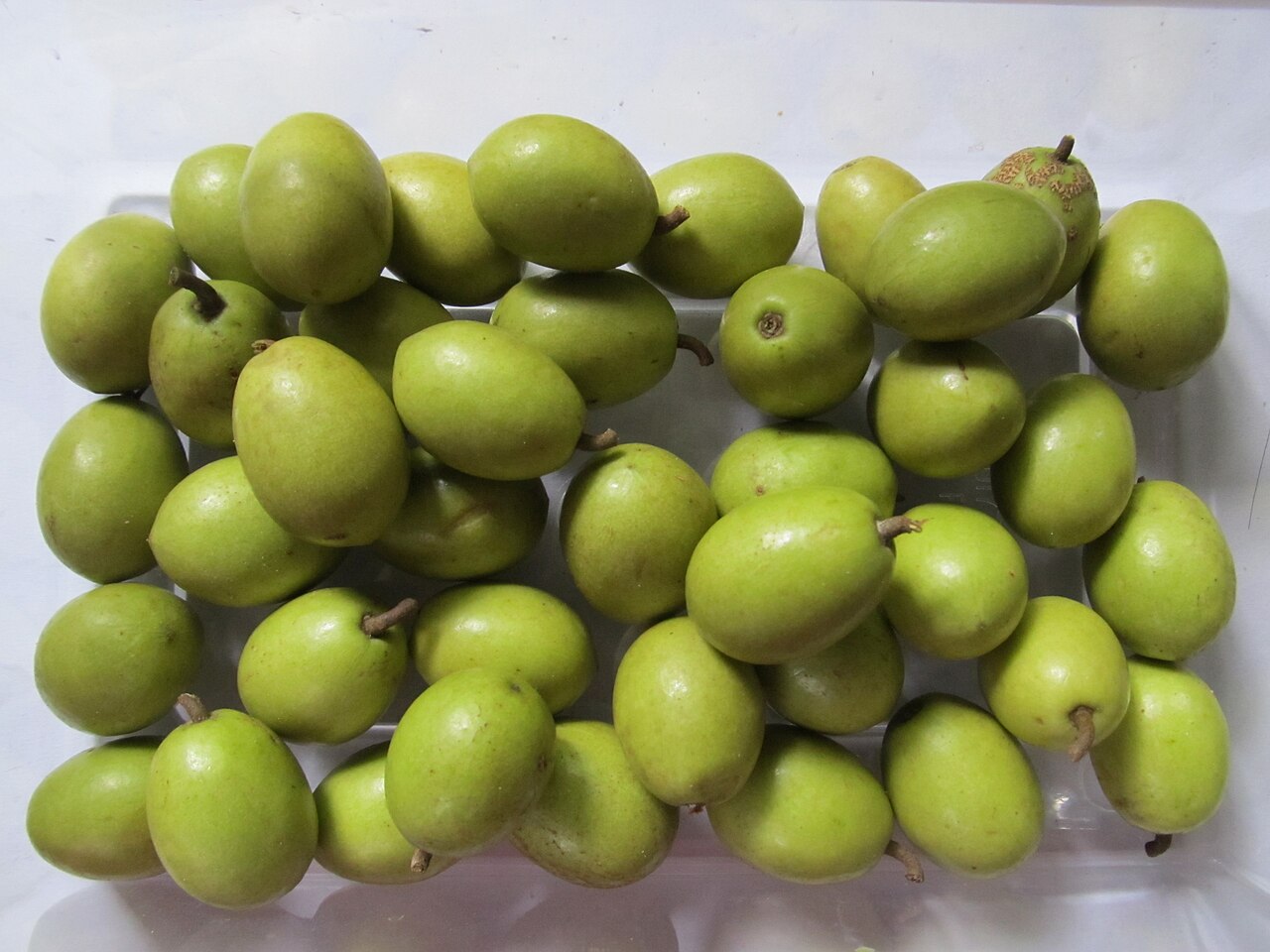
Madrazi litchi reached the markets of Dinajpur town ahead of its season in May 2026 and sold at high prices, although agriculture officials said the fruit was not yet mature. On the morning of Monday, 11 May 2026, the variety was on sale at New Market, Thana Mor, Bahadur Bazar, Pulhat and other spots in the town at Tk 300 to Tk 320 for a hundred fruits, Jagonews24 reported that day. The fruit was sour and only half coloured, but curious buyers were paying for the first litchi of the year. The Department of Agricultural Extension (DAE) in Dinajpur said fully developed litchi would need at least another 10 to 12 days to reach the market.
The first litchi of the season at Tk 300 a hundred
Buyers in the town were paying the high price mainly out of curiosity, because litchi was the year's new fruit. Many of them complained, however, that the fruit tasted sour because it had not matured, the report said.
Rana, a seller at New Market, said that day was the first day litchi had come to the market that year. He was selling 100 litchis for Tk 300, he said, and curious customers were buying the Madrazi variety.
Md Rakib Hasan, a seller at Thana Mor, said the litchi on the market was not yet mature, but he had brought it in to let people know that litchi would soon be arriving.
A buyer named Akash said he could not resist the sight of the new fruit and bought 100 litchis. The fruit was not mature yet, he said; it tasted sour-sweet and still needed time, but he took it anyway as a seasonal fruit.
Agriculture office: wait 10 to 12 days
Anichhuzzaman, assistant deputy director (crops) at the DAE in Dinajpur, told Jagonews24 that the litchi then on sale was in no way mature and that it would not be right to eat it. Mature, tasty litchi would take about another 10 to 12 days to reach the market, he said, and people needed to be aware of the issue of eating immature fruit.
His estimate fits what the DAE has said in earlier seasons about the order in which Dinajpur's varieties ripen. In a report of 28 May 2021, The Business Standard (TBS) quoted agriculture department information that Madrazi litchi matures towards the end of May, Bombai and Bedana after 10 June, and China-3 and Kathali last of all.
A paper on lychee production in Bangladesh by S. B. M. Abu Baker Siddiqui, published by the regional office of the Food and Agriculture Organization of the United Nations (FAO) in Bangkok in March 2002, describes the same pattern. Litchi reaches the market in May and June, the paper says, and is available for only about 60 days. Sour and inferior litchi comes early, followed by Bombai; Bedana arrives in the last week of June, followed by China-3. The paper gives the usual maturity times of the main varieties as follows:
- Bombai, the most widely grown variety: fruits generally mature in the second week of May; heart-shaped, carmine red, 18 to 20 grams.
- Muzaffarpuri, brought from India and grown mainly in the north-west: matures in the second week of May; pink and oval, about 20 grams.
- Bedana, regarded as the best variety in Bangladesh: matures in the second week of June; bright red, 25 to 28 grams, with a small, shrunken seed.
- China-3, a late variety: ripens in the last week of June; a mixture of red, orange and green patches, about 25 grams.
Why a litchi has to ripen on the tree
The FAO paper explains why picking early matters more for litchi than for many other fruits. The quality of the fruit, especially its taste, flavour, sugar content and acidity, depends on the stage at which it is harvested. Litchi should be picked only when the fruit has ripened properly because, unlike mango, it does not improve in quality after harvest. A litchi taken from the tree sour stays sour.
Maturity, the paper says, is judged by colour development, by the flattening of the small bumps on the skin and by the comparative smoothness of the rind. The colour changes from greenish to pinkish red, a change linked to the pigment anthocyanin. Fruit is generally harvested about 55 to 60 days after fruit set, although the time varies with variety and weather.
Julia F. Morton's reference work Fruits of Warm Climates (1987), published online by Purdue University's Center for New Crops and Plant Products, gives the same signs. For home use or local markets, lychees are harvested when fully coloured; for shipment, when only partly coloured. The final swelling of the fruit makes the protuberances on the skin less crowded and slightly flatter, which is how an experienced picker recognises full maturity. Clusters are usually clipped with a piece of stem and a few leaves to keep them fresh longer, harvesting may be needed every three to four days over three to four weeks, and it is never done right after rain because wet fruit spoils quickly. Freshly picked lychees keep their colour and quality for only three to five days at room temperature.
The FAO paper also describes a selling practice that pushes fruit off the tree early. In Bangladesh, it says, fruiting trees are generally sold to middlemen before the fruit matures, partly to escape losses to bats and birds. The middlemen usually harvest all the fruit at one time, and careless breaking of branches during harvest injures the trees. For distant city markets, fruit is picked in the afternoon when it has just started to turn red, packed in bamboo baskets lined with litchi leaves, and reaches the wholesale market overnight; packed loosely in such baskets the fruit stays fresh for about 48 hours.
Early picking in Dinajpur in earlier seasons
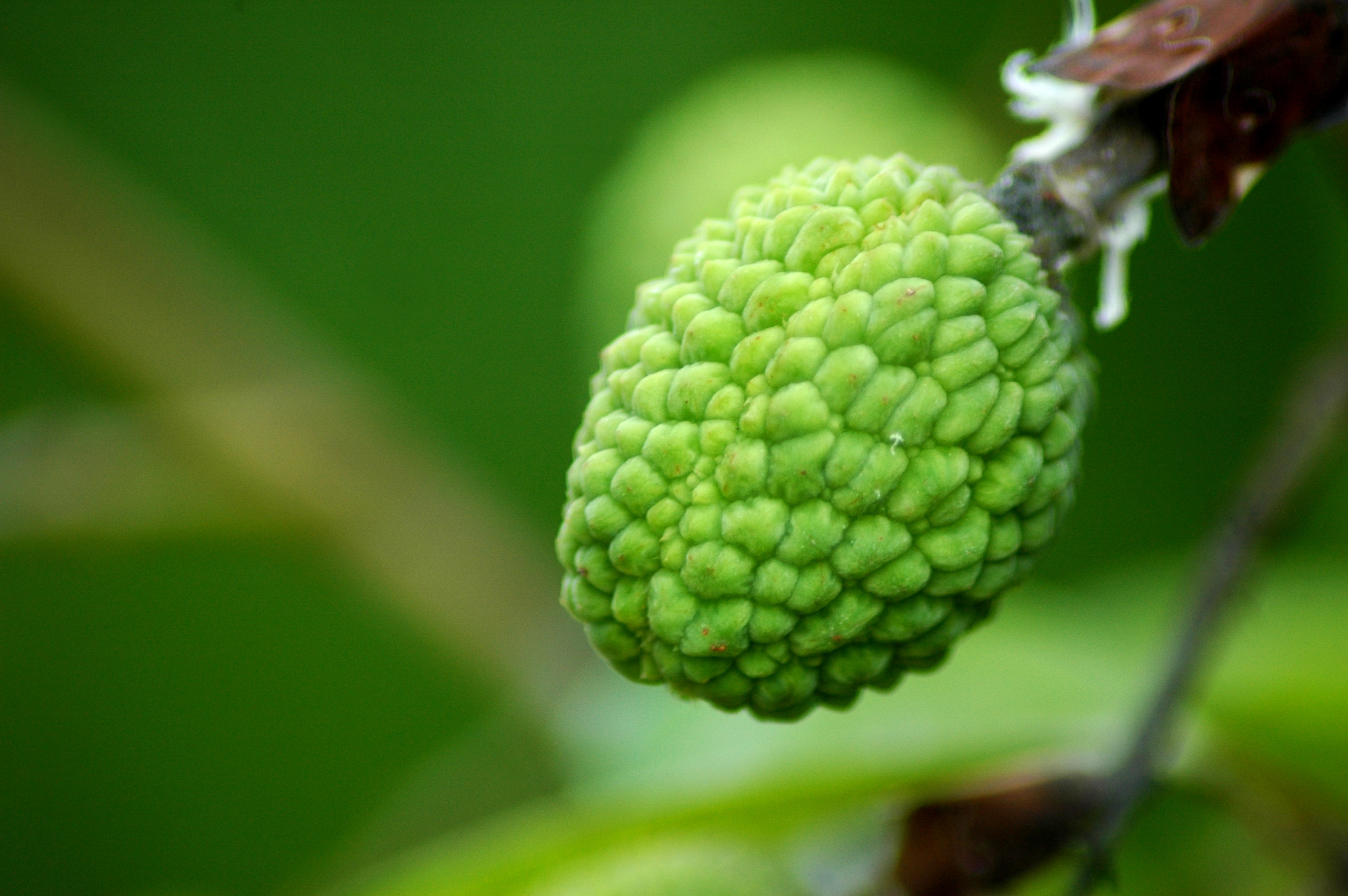
Immature litchi in Dinajpur's markets was not new in 2026. On 28 May 2021 TBS reported from the orchards of Masimpur in Dinajpur Sadar upazila that farmers were sorting and bundling litchi that needed roughly another week to mature properly. Farmers and traders said they were picking early for fear of the fruit cracking and of further losses.
One grower, Ayub Ali, told TBS he had begun picking early because of disease that year, insects at the base of the trees, fruit cracking on the branches and damage by bats; another, Akbar Ali, said strong demand meant buyers were taking the fruit half-raw. A wholesaler, Sumon Islam, blamed hot winds for drying and cracking the fruit and said Madrazi was then selling at Tk 1,000 to Tk 1,800 a thousand.
The DAE deputy director in Dinajpur at the time, Pradip Kumar Guha, told TBS that immature litchi contains more organic acid, which is harmful to health. The department had noticed immature litchi on sale during market visits, he said, the problem of cracking could be solved, and the department was talking to farmers and had taken steps to stop immature fruit reaching the market.
The 2021 report also described the same selling places named in 2026. The town's main litchi market sat at New Market, a little beyond the front of the Kotwali police station, and litchi was also sold on footpaths at Pulhat Bazar, Bahadur Bazar and outside the gate of the Kotwali police station. During the Covid-19 pandemic the market had been moved to the Gor-e-Shahid Boro Maath ground for two years, the report said.
Weather has also shaped recent seasons. On 3 June 2024 TBS reported that heat and drought had scorched blossoms, made young fruit drop and caused litchi to crack before ripening in Dinajpur. Farmers expected yields to be at least 30 percent lower that year. Agriculture officials said 25 to 30 degrees Celsius is ideal for litchi, while temperatures in the district had reached the 40s. According to the DAE, litchi was then selling at Tk 2,000 to Tk 5,000 a thousand depending on the variety, and the district normally produces litchi worth an average of Tk 700 crore a year.
Dinajpur's litchi in figures
Dinajpur is known as the kingdom of litchi, as BSS put it. According to the district DAE, as reported by Prothom Alo on 25 February 2026, the district had 10,066 orchards of all sizes on 5,484 hectares that season. Bombai covered the largest area, 3,225 hectares. China-3 covered 709 hectares, Bedana 308, China-2 128 and Kathali 24.5 hectares, and Muzaffarpuri litchi grew on 0.26 hectares. Mostafizur Rahman, additional deputy director (horticulture) at the district DAE, said the production target was 6.85 tonnes per hectare if all went well.
Litchi is grown to some extent in all 13 upazilas of the district, the same report said, but most heavily around Masimpur, Auliapur and Ghughudanga in Sadar upazila and Madhabbati, Bothat and Rabipur in Biral, with sizeable areas also in Chirirbandar, Khansama, Kaharole and Nawabganj. The sandy loam soil suits the crop. Madrazi and Bedana trees are the first to flower. Mostafizur Rahman asked farmers not to apply pesticides to litchi without advice from the agriculture department.
Bangladesh Sangbad Sangstha (BSS) reported on 23 February 2026 that blossoms had begun to appear from early February and that this time more trees were flowering than in 2025, when many trees had put out new leaves instead of blossoms. Among Dinajpur's litchi varieties BSS listed China-3, Bedana, Bombai, Madrazi, Haria and Kathali, with Bombai the most widely grown. A beekeeper, Rakibul Hasan, told the agency he expected the output of Bombai, Kathali and Madrazi to rise that season.
Figures from earlier seasons, as the DAE gave them to TBS, show a broadly steady area:
- 2022: litchi grown on 5,250 hectares, producing about 30,000 tonnes (TBS, 3 June 2024).
- 2024: litchi grown on 5,489 hectares, with a production target of 32,117 tonnes (TBS, 3 June 2024).
- 2025: 9,098 orchards on 5,484 hectares, with a production target of 35,097 tonnes (TBS, 28 April 2025).
In the 2025 season, farmers told TBS in late April that Madrazi was priced at Tk 2,200 a thousand, and the DAE deputy director, Md Afzal Hossain, said he hoped litchi worth at least Tk 800 crore would be sold from the district. By early June 2025, Bangla Tribune found Madrazi selling at Tk 200 to Tk 250 a hundred at the Kalitala market, Bombai at Tk 250 to Tk 350, Bedana at Tk 600 to Tk 800 and China-3 at Tk 1,300 to Tk 1,500, with traders saying prices were lower than in 2024.
Bedana's GI status and the first exports
Dinajpur's best-known variety gained official recognition in 2025. Bedana litchi from Dinajpur was entered in the list of geographical indication (GI) products on 30 April 2025, Bangla Tribune reported on 5 May 2025. Masimpur in Sadar upazila and Madhabbati in Biral upazila are regarded as the main Bedana-growing areas. Growers welcomed the recognition but said they wanted exports to follow. Imrul Ahsan, horticulturist at the Dinajpur Horticulture Centre, said steps had been taken under the DAE's PARTNER project to grow exportable litchi by following good agricultural practice protocols and limiting pesticide use.
Some Dinajpur litchi had already gone abroad. On 13 June 2023 TBS reported that a trial shipment of 300 kilograms, or 16,000 litchis, was sent from Dinajpur to Paris on 8 June 2023, the first ever litchi export from Bangladesh to France. Commerce ministry officials said the consignment met the European Union's sanitary and phytosanitary conditions, and the French importer had ordered 25,000 litchis for a second shipment. Two decades earlier the FAO paper had noted that litchi was neither exported nor imported by Bangladesh.
Where the litchi grows: Dinajpur district
Dinajpur district, in Rangpur division, covers 3,444.30 square kilometres in the north-west of Bangladesh, according to Banglapedia, the national encyclopaedia of the Asiatic Society of Bangladesh. It is bounded by Thakurgaon and Panchagarh districts to the north, Gaibandha and Joypurhat to the south, Nilphamari and Rangpur to the east and the Indian state of West Bengal to the west. Its notable rivers include the Jamuna, Tulsiganga, Punarbhaba and Atrai. The district was established in 1786, and its 13 upazilas range from Birganj, the largest, to Hakimpur, the smallest. Banglapedia lists agriculture as the main source of income for 63.90 percent of households. The 2022 census counted 3,315,236 people in the district.
The FAO paper sets out how litchi came to the country. No authentic record of its first cultivation exists, but it is believed to have come to Bangladesh from Burma in the early 19th century. Chinese varieties, together with the Indian cultivars Muzaffarpuri and Bombai, were introduced from West Bengal in the early 20th century, and Bedana and China-3 in the 1950s. Bedana, the paper says, is considered the best variety but gives the poorest yield, and it was then confined to Dinajpur district, which falls in agro-ecological zone 1. The paper lists Madrajie, the Madrazi of the 2026 report, among the cultivars grown in the country.
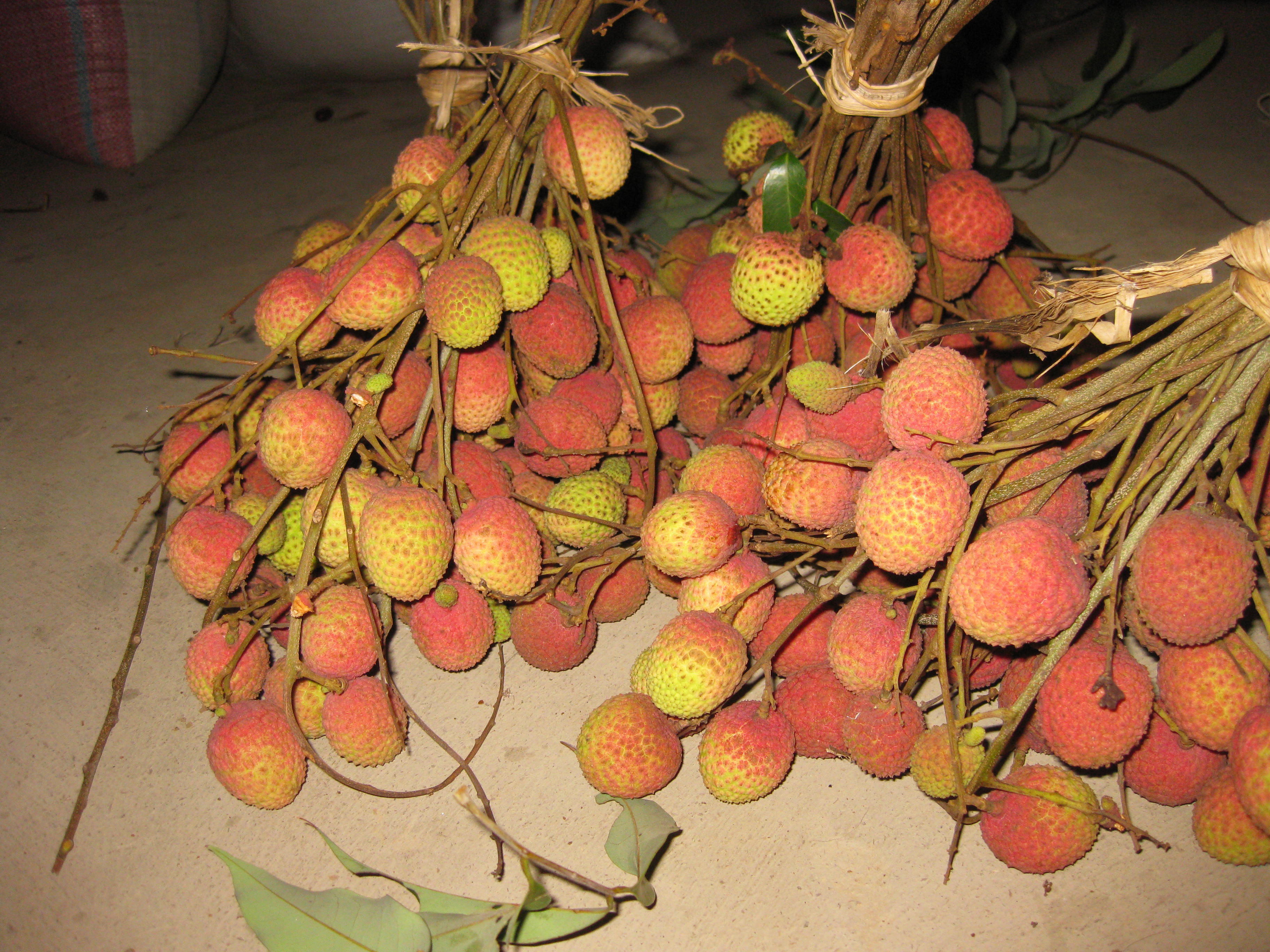
Yields differ widely by variety. The paper gives the average yield of a good 15 to 20-year-old tree as 7,000 to 8,000 fruits for Bombai, 6,000 to 7,000 for Madrajie, 4,000 to 5,000 for China-3 and 2,000 to 3,000 for Bedana. It also records that the Bangladesh Agricultural Research Institute (BARI) had released three varieties, BARI Lichu-1, BARI Lichu-2 and BARI Lichu-3, of which BARI Lichu-3 was considered the best and closely resembles China-3.
The fruit itself
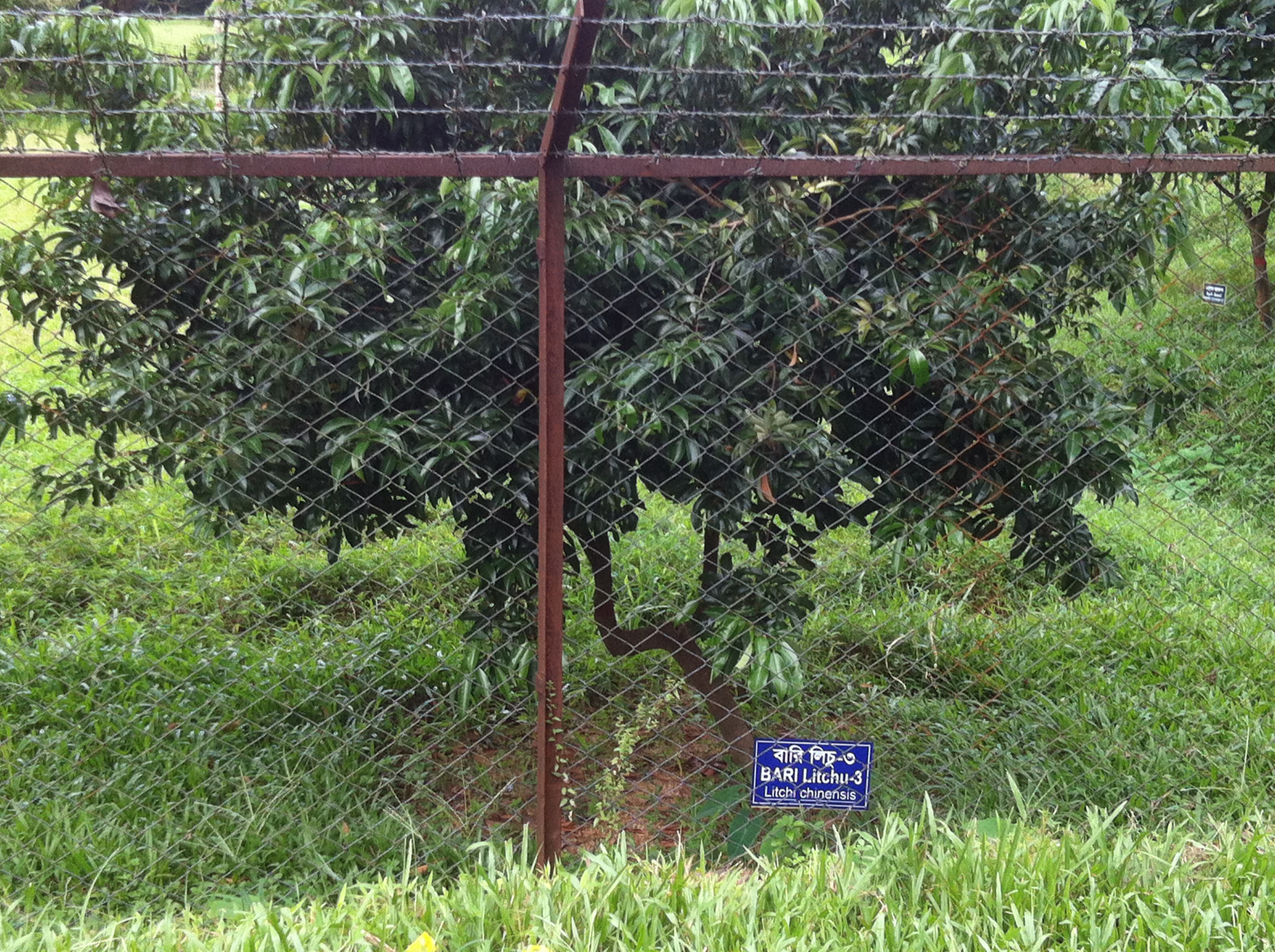
The litchi, Litchi chinensis, belongs to the soapberry family, Sapindaceae. Morton's reference work describes it as native to low elevations of the provinces of Kwangtung and Fukien in southern China, where it has been praised in Chinese literature since the earliest known record in 1059 AD. It was carried to Burma late in the 17th century and reached India about 100 years later. The tree is dense and round-topped; the fruits hang in loose clusters of 2 to 30, usually strawberry-red, about 2.5 centimetres wide and 4 centimetres long, with a thin, leathery, rough skin. The translucent white flesh, the aril, surrounds a single hard seed, which is inedible.
Banglapedia notes that litchi can be grown in every district of Bangladesh, that it stands second in production after mango among the country's tree fruits, and that the edible portion makes up 50 to 75 percent of the fruit's weight. The plant needs a warm, humid climate for growth; dry, hot air harms the fruit, and deep loamy alluvial soil suits it best. According to analyses from China, India and the Philippines quoted by Morton, 100 grams of fresh litchi flesh provides 63 to 64 calories, is 81.9 to 84.83 percent water, and contains 24 to 60 milligrams of ascorbic acid (vitamin C) and 170 milligrams of potassium.
Litchi, children and the health research
Health researchers in South Asia have studied illness among children in litchi-growing areas during the harvest season. In India's Muzaffarpur district, in Bihar, outbreaks of an acute neurological illness among young children have been reported since 1995, generally peaking in June. A report in the US Centers for Disease Control and Prevention's Morbidity and Mortality Weekly Report on 30 January 2015 said that 133 children met the case definition in 2013 and 44 percent of all cases were fatal. Low blood glucose on admission was common and linked to a poorer outcome, and investigators were testing for methylenecyclopropylglycine (MCPG), a compound in litchi seeds known to cause low blood sugar in animal studies. Public health advice focused on urging families to seek prompt medical care and on rapid correction of low blood sugar in sick children.
A case-control study by India's National Centre for Disease Control and the CDC, published in The Lancet Global Health in 2017, found that 390 patients were admitted in Muzaffarpur between 26 May and 17 July 2014, of whom 122 died. Eating litchi and missing an evening meal in the 24 hours before illness were both associated with the illness, and metabolites of hypoglycin A, MCPG or both were found in the urine of 66 percent of the patients tested. The researchers recommended minimising litchi consumption, ensuring that children receive an evening meal and correcting blood glucose rapidly in suspected cases.
Bangladesh's own investigation, close to Dinajpur, pointed elsewhere. On 16 June 2012 a physician at Dinajpur Medical College Hospital notified the Institute of Epidemiology, Disease Control and Research (IEDCR) of an outbreak of encephalitis among children in northern Bangladesh. The study by IEDCR and icddr,b, published in the American Journal of Tropical Medicine and Hygiene in 2017, found that the outbreak affected 14 children, 13 of whom died, and that it coincided with the litchi harvest. Multiple pesticides, including some banned in Bangladesh, were frequently used in the orchards. Visiting a litchi orchard, especially one where pesticides were used, in the days before illness was associated with the disease, while eating litchi was not. The authors noted that between 2008 and 2016 IEDCR and icddr,b investigated nine outbreaks of acute encephalitis syndrome among children in Bangladesh, seven of them during the litchi harvest season.
These studies concern particular outbreaks and do not describe the fruit on sale in Dinajpur in May 2026. The public health advice in the Indian outbreaks was that families should seek prompt medical care for a child who falls ill; anyone who feels unwell after eating fruit should see a doctor.
Photo: Sd Raihan / Wikimedia Commons (CC BY-SA 4.0)
Sources: Jagonews24, The Business Standard, Prothom Alo, Bangladesh Sangbad Sangstha (BSS), Bangla Tribune, Food and Agriculture Organization of the United Nations (FAO), Purdue University Center for New Crops and Plant Products (J. F. Morton, Fruits of Warm Climates), Banglapedia, US Centers for Disease Control and Prevention (MMWR), The Lancet Global Health, American Journal of Tropical Medicine and Hygiene, Wikipedia
Comments
(0)