
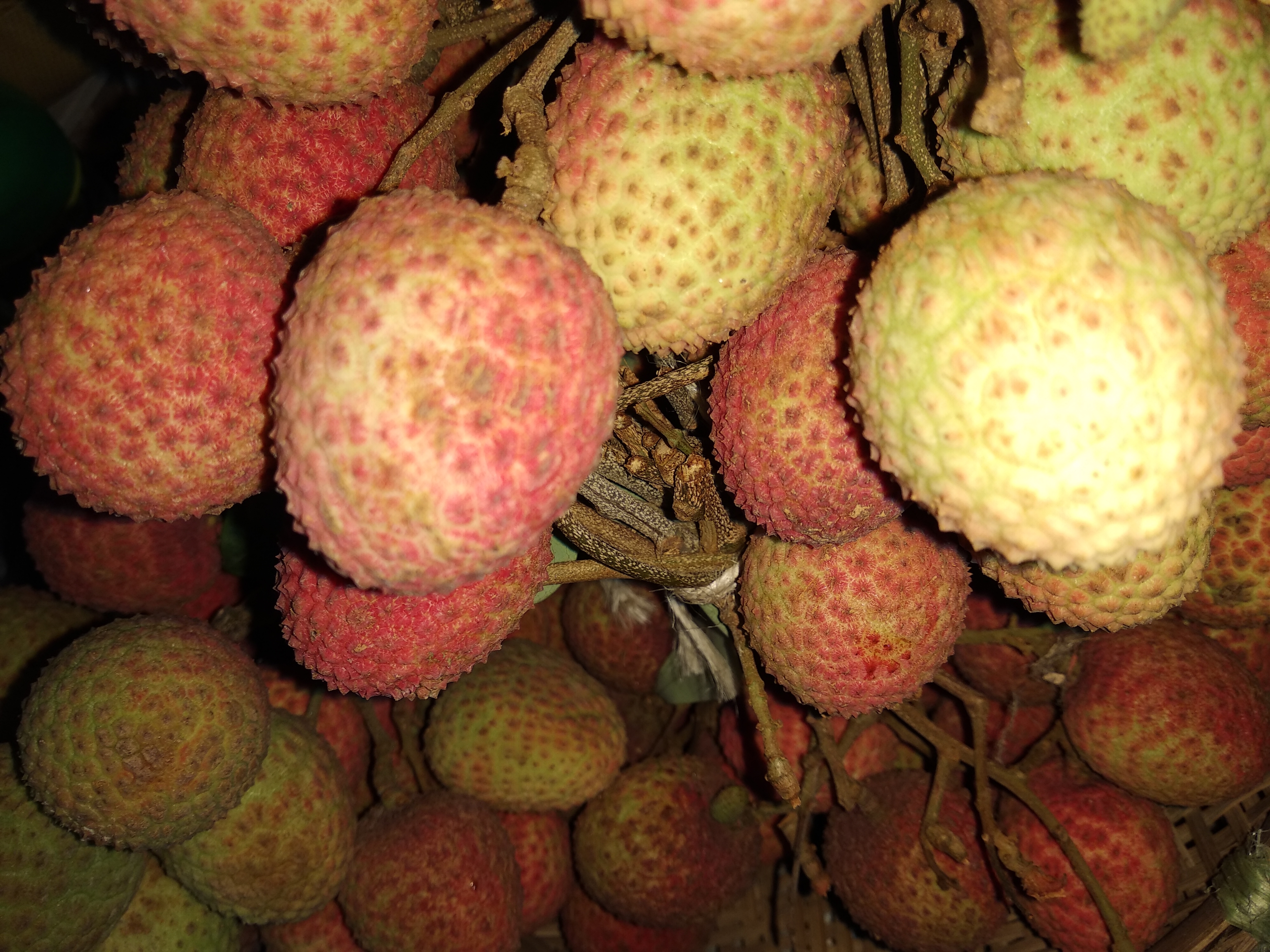
Drought and heat at blossom time, then nor'westers and hail: in the 2026 season this run of bad weather left litchi growers and orchard-leasing traders in Dinajpur fearing a smaller crop. Jago News reported the concern on 8 May 2026. The district office of the Department of Agricultural Extension (DAE) said at the time that the storm and hail damage was not significant.
From scorched blossom to hail
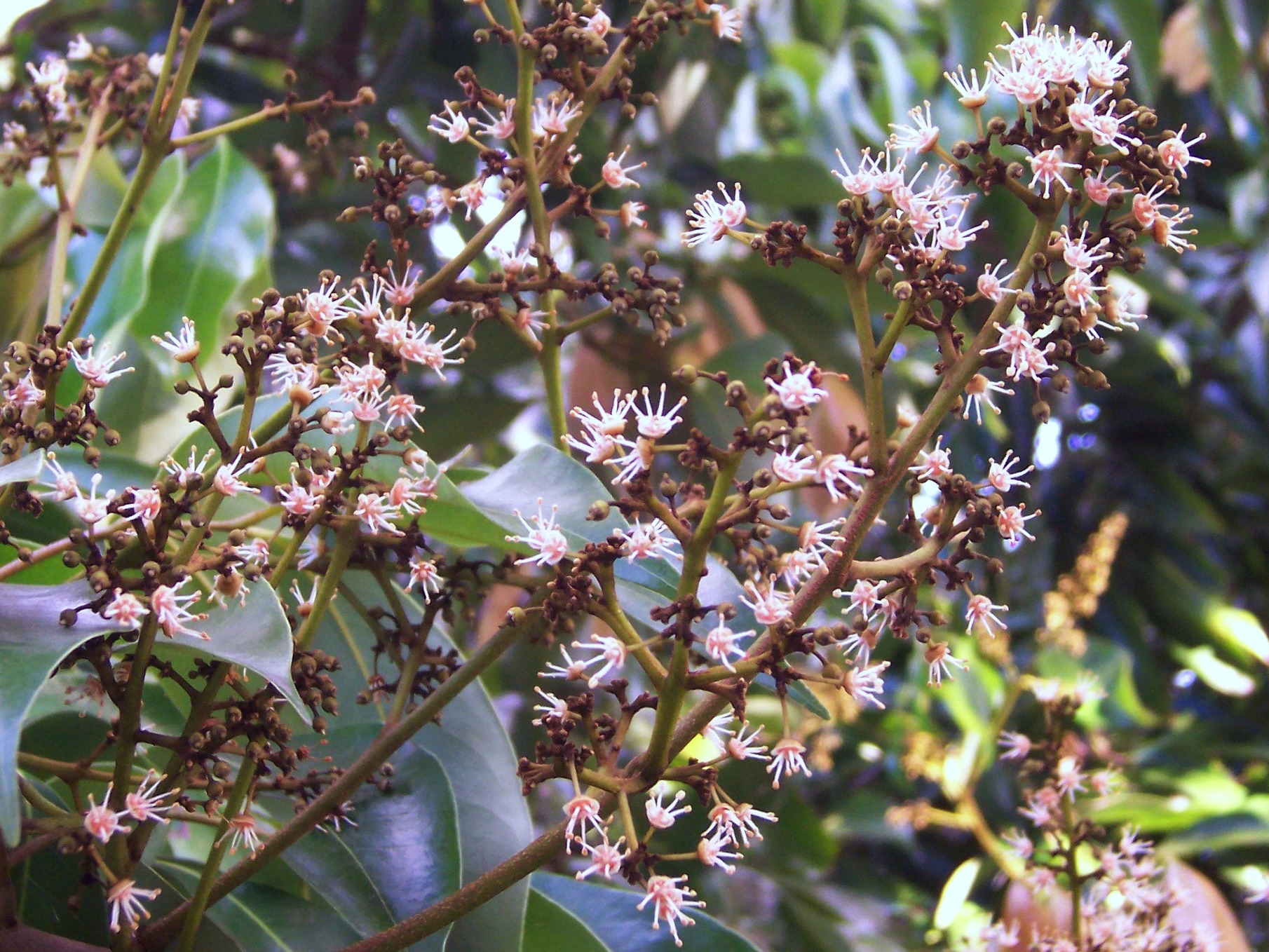
Advocate Zakir Hossain, a grower in Mohabbatpur village of Dinajpur Sadar upazila, told Jago News that early in the season temperatures in the district had reached 35 to 39 degrees and there was fog at dawn, which scorched the blossom. "Now storms and hail have started. All in all, the litchis are in bad shape," he said.
Growers said the early blossom and fruit set had raised their hopes, but drought and heat first burnt the blossom and then the young fruit began to drop. Rain stopped the drop for a while, but from the last week of April into May the district was hit by widespread storms and hail. Growers also said a fuel shortage early in the season had kept them from irrigating their orchards properly. In early April the Daily Ittefaq had reported hail damaging mango, litchi and early Boro rice in Eluari union of Dinajpur's Fulbari upazila.
Growers and traders fear losses
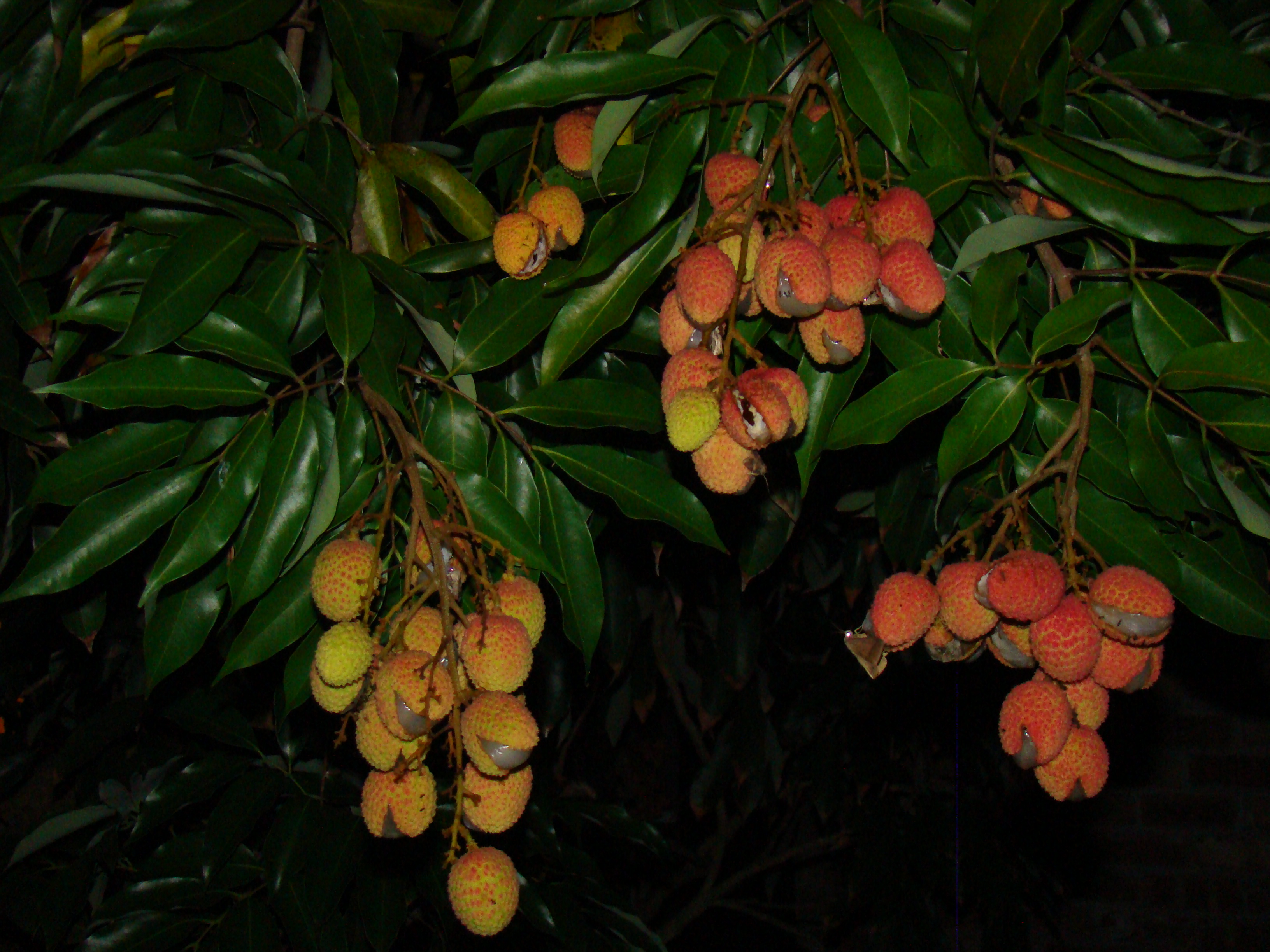
Checking in Sadar, Biral, Chirirbandar, Khansama, Kaharol and Bochaganj, the upazilas best known for litchi, Jago News found that hail had knocked fruit off trees in many areas and many litchis were rotting. With the fruit 10 to 15 days from market, growers and traders who had leased orchards feared losses.
Ratan Roy, a grower in Biral upazila, said his fruit was rotting and dropping and could not be kept on the trees. Mofizul Islam, a trader from Rabipur in the same upazila who had bought Bombai litchi orchards in Rabipur and Madhabbati, said the hail was splitting the fruit and making it fall. Juel Islam of Ghughudanga village in Sadar upazila, who has a three-acre orchard, said his production had fallen to half of the previous year's. He said large amounts of litchi are lost every season for want of cold storage and asked the government to act.
Abdur Rahman, who came from Karwan Bazar in Dhaka and bought an orchard in Madhabbati, said the previous season's heatwave had turned the fruit black and he had to sell 100 litchis for Tk 100. He feared the fruit would rot at the stem if the storms and rain continued.
Officials call the damage minor
Md Anisuzzaman, additional deputy director (crops) of the district DAE, told Jago News that the storms and hail had not done much harm: roughly one to one and a half hectares of litchi had been ruined, which he said was not worth mentioning, so no damage figures had been prepared. Deputy director Nuruzzaman said the heat had caused some damage but there was plenty of fruit this year, and growers, owners and traders were being advised. Additional deputy director Mostafizur Rahman said he hoped the district would again get the expected yield. Growers who need advice on which products to use against pests or diseases, and in what amounts, should ask their upazila agriculture office.
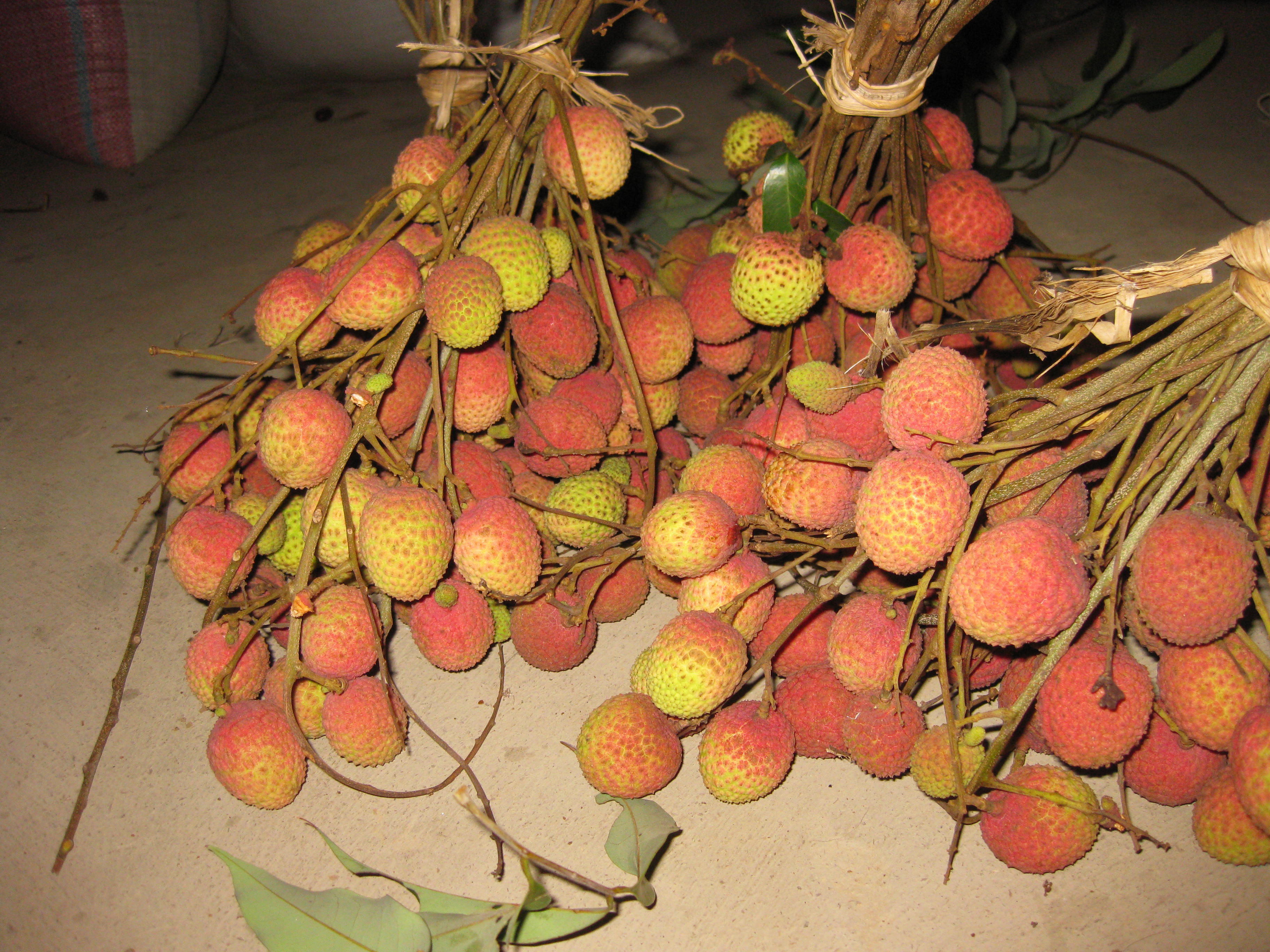
According to the district DAE office, litchi was grown on 5,484 hectares in 2026, in 5,418 orchards, with production expected to reach 37,593 tonnes. The report said the fruit was due to start reaching markets by 15 May, but with transport expected to be scarce around Eid-ul-Azha, most of the trade was expected after Eid.
Dinajpur, the litchi district
The litchi (Litchi chinensis) is a fruit of the soapberry family, Sapindaceae, native to southern China, Malaysia and northern Vietnam. In February 2026 Prothom Alo, citing the DAE, reported that Bombai is the most widely grown variety in Dinajpur, on 3,225 hectares, alongside China-3, Bedana, China-2, Kathali and Madrajee, with a target yield of 6.85 tonnes per hectare. The national news agency BSS reported that month that litchi had been grown on 5,870 hectares in the district the previous year, and that it takes three to four months from blossom to harvest.
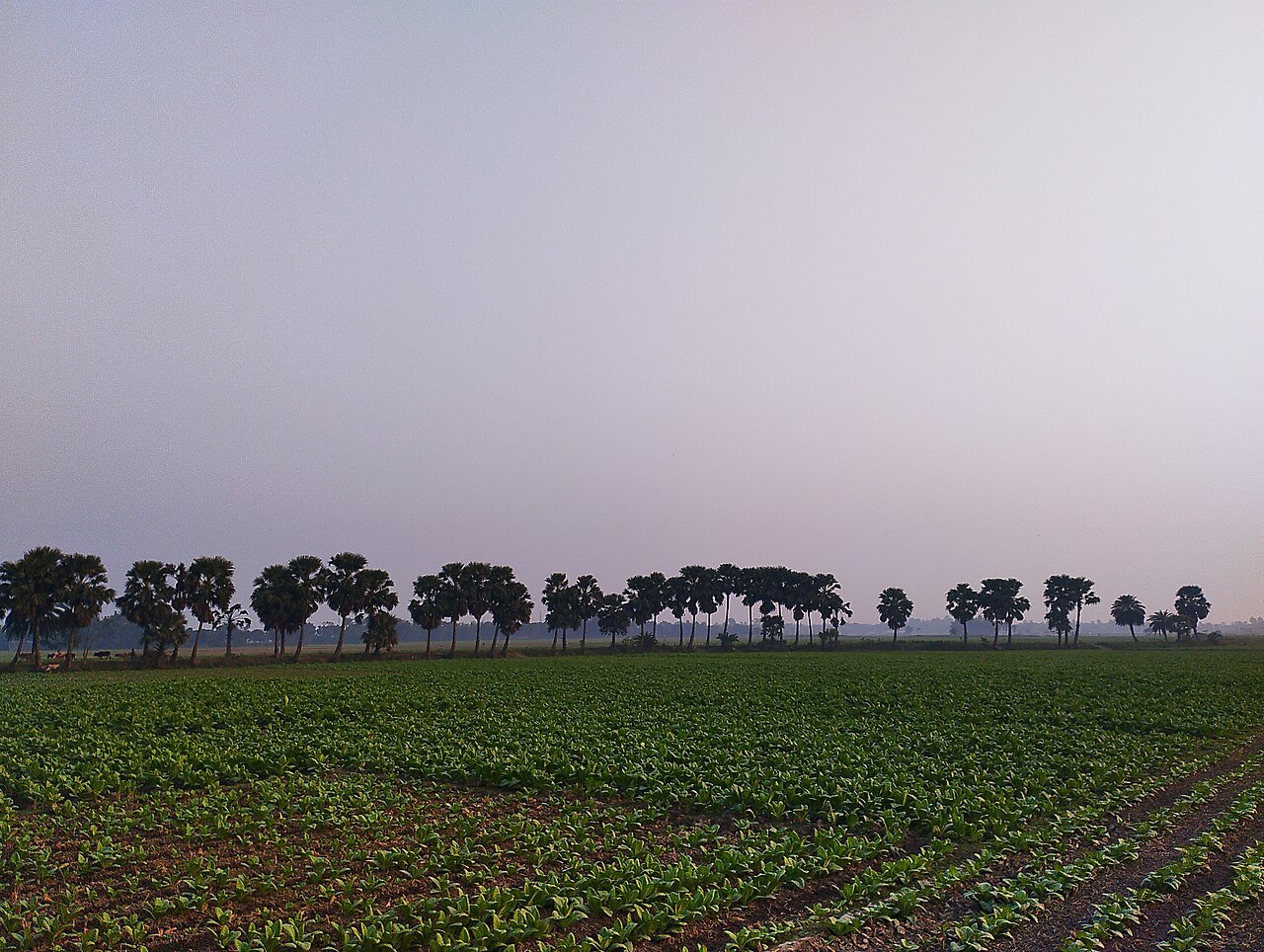
Photo: Sd Raihan / Wikimedia Commons (CC BY-SA 4.0)
Sources: Jagonews24, Prothom Alo, Bangladesh Sangbad Sangstha (BSS), The Daily Ittefaq, Wikipedia
Comments
(0)