
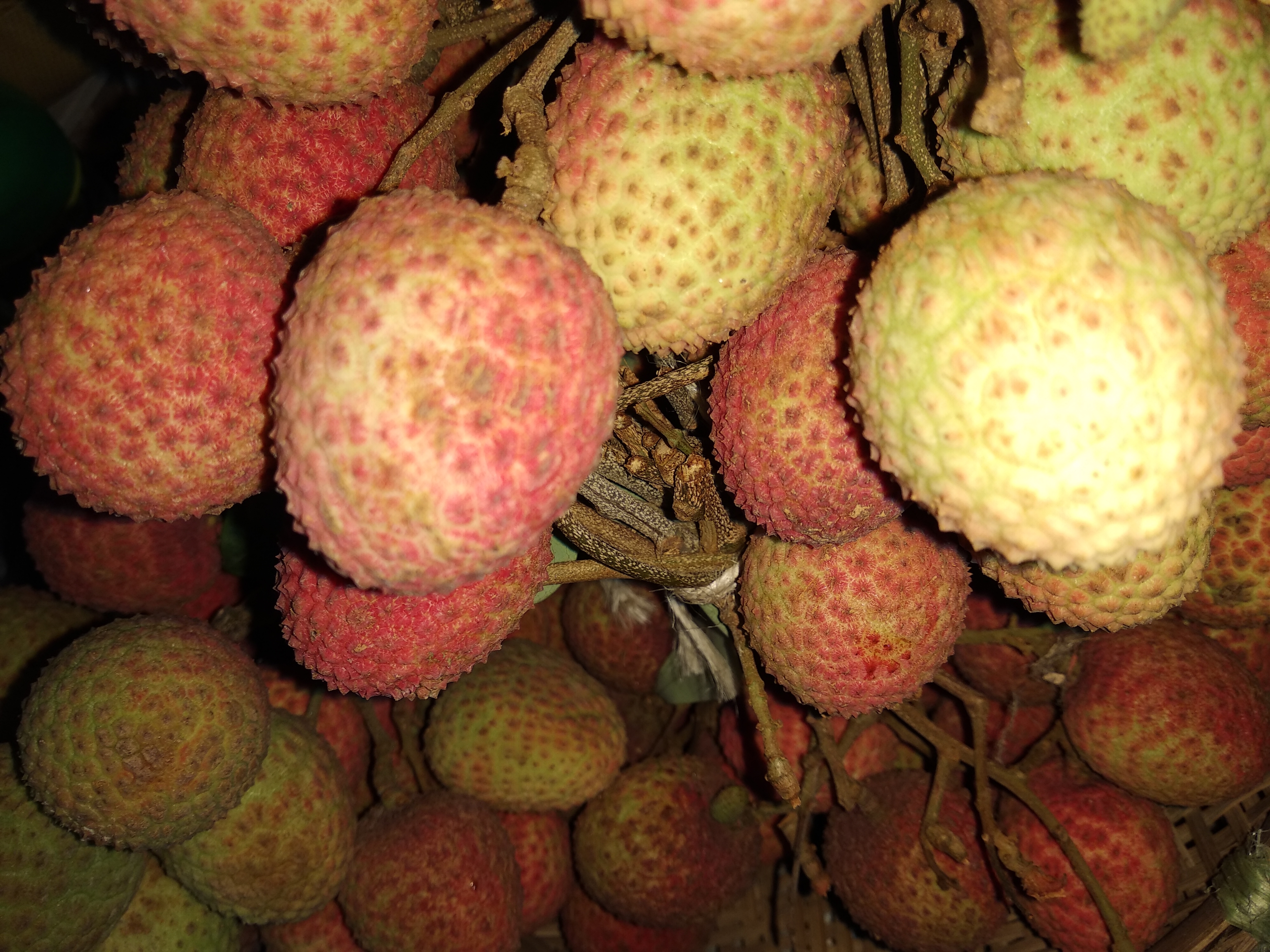
In early April 2024, litchi trees across Dinajpur, the northern district best known in Bangladesh for the fruit, were heavy with yellowish blossom, and growers were busy tending their orchards in the hope of a bumper crop. Jagonews24 reported from the district on 4 April 2024 that, with the weather suiting the fruit that spring, orchard owners and growers were relieved after a 2023 season in which heat had burnt much of their crop.
Orchards in bloom in Masimpur and Madhabbati
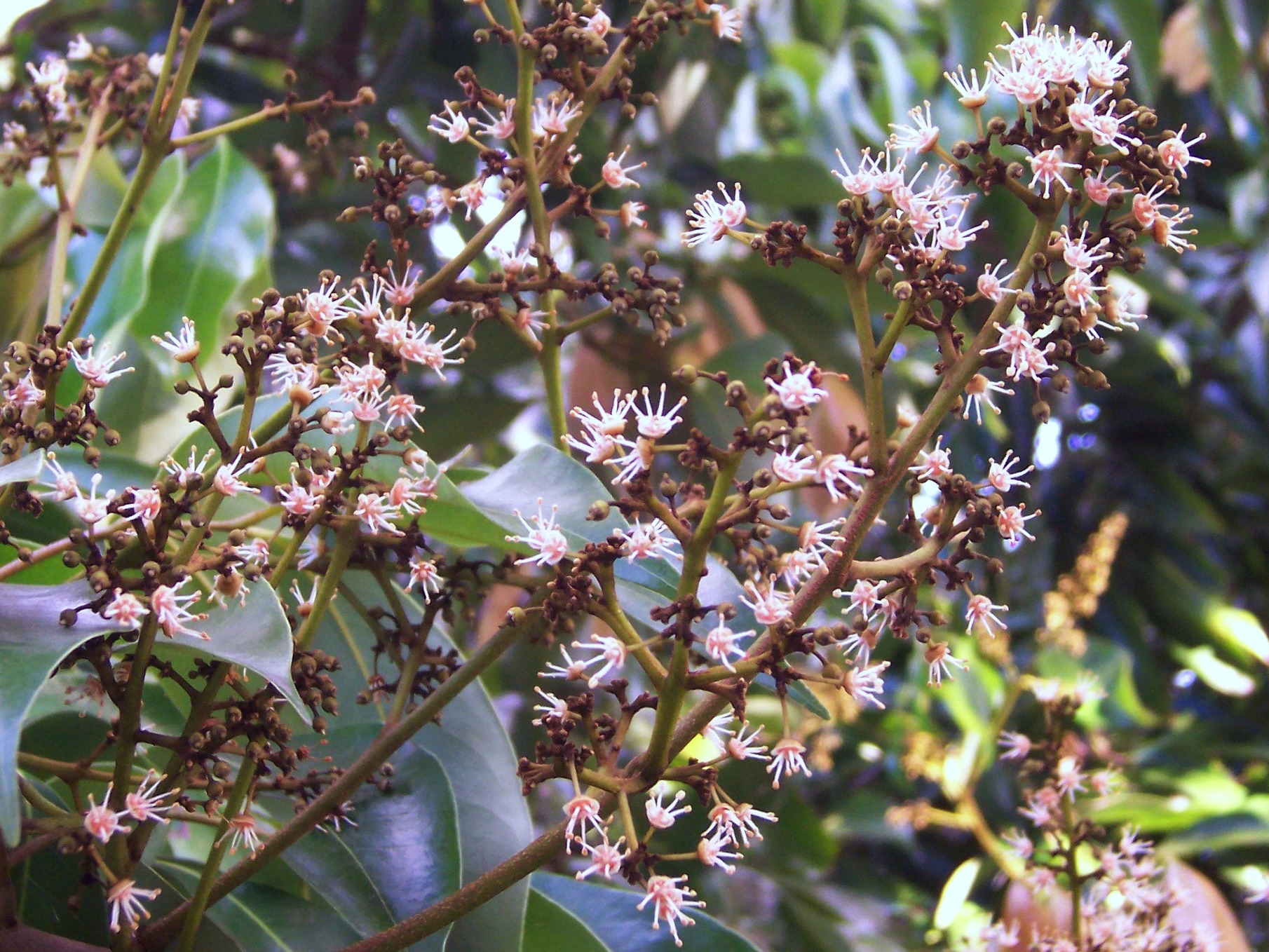
The paper's correspondent spent several days before the report visiting orchards in Masimpur in Dinajpur Sadar upazila, Madhabbati in Biral upazila and several other areas. The trees were covered in yellowish blossom. Growers were clearing weeds from around the trunks, irrigating the orchards and spraying various pesticides to protect the flowers.
Nazrul Islam, a litchi grower in Masimpur, told the paper that he had leased two orchards with 1,500 trees for five years. "Last year the trees were full of green leaves instead of blossom, and on top of that the fierce heat burnt the litchis and we suffered losses," he said. "But with the blossom we have this year, if there is no drought or excessive heat, the losses will be made up."
Amjad Hossain, who grows litchi in Madhabbati, said he has two orchards and that the blossom was heavier than the year before. He had lost money in 2023 but expected to make it up if the weather stayed favourable. He said fruit would set on all his trees within about a week, and that he would apply a fungicide at that stage. He hoped the yield would be good.
Growers and orchard owners told Jagonews24 that the blossom was satisfactory across the district, and that if the weather held, the growers would have reason to smile.
What the agriculture office reported
According to the Dinajpur office of the Department of Agricultural Extension (DAE), quoted by Jagonews24, litchi was grown on 5,787 hectares in the district in 2024, 107 hectares more than the year before. The district had 5,418 litchi orchards. The fruit was grown in all 13 upazilas, but the litchis of Sadar, Biral and Chirirbandar upazilas were considered the best.
Biral upazila grew the most. Litchi covered more than 2,500 hectares there, in about 2,000 orchards, large and small. The agriculture department said the district would produce about 32,000 tonnes of litchi in the season.
Md Nuruzzaman, deputy director of the DAE's district office, said Dinajpur's litchis were tasty and juicy and in demand across the country. "Last year some trees lost their crop because of rising temperatures. This year the blossom came on time and in greater quantity," he said. A production target of 30,000 tonnes had been set for the district, and he hoped it would be exceeded.
He said proper water and fertiliser management was very important for litchi. Farmers were being advised all the time on holding the blossom on the trees, keeping them free of fungus, and applying the right amounts of micronutrients and fertiliser. Field-level officers were working in every union, he said, so that growers and orchard owners would face no problems.
Figures for the same season had appeared in The Daily Star a week earlier, on 28 March 2024, and they did not match Jagonews24's. That report counted more than 4,000 orchards over about 5,690 hectares, said DAE officials were optimistic about 45,000 tonnes, and quoted the deputy director as putting the commercial value of the crop at about Tk 600 crore. It also said that flowering in Dinajpur usually begins in mid-February but had started towards the end of the month in 2024, as low temperatures delayed it slightly, and that plucking was expected to begin by the end of May and last about a month. Growers it spoke to credited timely rain and a slightly milder climate for the good flowering.
A season after the heat of 2023
The growers' relief made sense against the season before. Growers and orchard owners told Jagonews24 that adverse weather had cut the 2023 yield: excessive heat and hot westerly winds scorched most trees before the fruit could colour, and at least 40 per cent of the litchis were burnt, leaving growers with losses.
Reports from the 2023 season described the same trouble. On 29 May 2023 The Daily Star wrote that yields were poor because of temperature swings during the February flowering and high heat with no rain during the March budding. It said many trees in Dinajpur, Thakurgaon and Panchagarh had failed to flower. DAE officials in Dinajpur then expected about 40,000 tonnes from about 5,500 hectares and some 4,000 commercial orchards, against more than 45,000 tonnes in 2022. At the Kalitala fruit market in Dinajpur Sadar, a trader said production was poor that year in quantity, size, colour and taste, and a 100-piece bunch of Bedana sold for up to Tk 700, against a previous maximum of Tk 600.
A week later, on 4 June 2023, the Bengali edition of The Daily Star reported that daily temperatures in Dinajpur had moved between 38 and 42 degrees Celsius for 10 to 15 days, reaching 41 degrees on the Thursday and Friday before the report. Experts it quoted said 28 to 32 degrees Celsius is the best temperature for the litchi crop. Fruit was cracking on the trees, and growers were picking early and bringing it all to market at once. A trader at Kalitala, which the paper called Dinajpur's biggest litchi market, said there had never been such heat in a litchi season before; most fruit was spotted and much of it had split. A grower in Nawabganj upazila with about 600 trees said about 40 per cent of them had not flowered that year, and that the heat had then ruined much of the rest. He said he was selling Bedana at Tk 3,000 per thousand pieces, when good fruit would fetch about Tk 5,500.
A horticulture specialist in Dinajpur told the paper that the fruit was suffering heat injury, and advised spraying the orchards lightly with water during a heatwave, adding that a fungicide could also be used.
From Dinajpur to Paris: the 2023 shipment
Jagonews24's report said that in 2023, for the first time in the country's history, Dinajpur's litchis were exported, making the fruit a source of foreign currency. Reports from June 2023 put that milestone more precisely. Bangladesh had been exporting litchi to different markets since 1999, but in June 2023 a single Dinajpur orchard shipped its fruit directly abroad for the first time, according to the deputy commissioner's office and the DAE, as reported by Maritime Gateway on 8 June 2023.
The first consignment, about 300 kilograms or some 16,000 pieces of the Bedana variety, was inaugurated at the deputy commissioner's office and was expected to reach France within 72 hours of leaving Dhaka. A second consignment of about half a million pieces, or 9,500 kilograms, of the China-3 variety, collected from several Dinajpur orchards, was planned for France.
On 12 June 2023 The Business Standard reported that the fruit had been sent to Paris on 8 June on a trial basis, had passed the laboratory tests required for agricultural products entering European Union countries, and had been sold in several French cities, including Paris. The French importer SUS Primesia had ordered 25,000 more pieces for a second shipment. The initiative was credited to Bangladesh's commercial councillor in France, working with the commerce ministry, the Dinajpur district administration, the DAE and the Bangladesh Fruits, Vegetables and Allied Products Exporters' Association.
National export volumes were still small. A director of the DAE's Plant Quarantine Wing said exporters had shipped 112 tonnes of litchi in the fiscal year up to 7 June 2023, and the Hortex Foundation said Bangladesh shipped 149 tonnes in fiscal 2021-22.
Dinajpur and its litchi belt
Dinajpur district, in Rangpur division, covers 3,444.30 square kilometres in the far north-west of Bangladesh, according to Banglapedia, the national encyclopedia. It borders Thakurgaon and Panchagarh to the north, Gaibandha and Joypurhat to the south, Nilphamari and Rangpur to the east, and the Indian state of West Bengal to the west. Its rivers include the Punarbhaba, the Atrai, the Tulsiganga and the Jamuna. The district has 13 upazilas: Kaharole, Khansama, Ghoraghat, Chirirbandar, Dinajpur Sadar, Nawabganj, Parbatipur, Fulbari, Biral, Birampur, Birganj, Bochaganj and Hakimpur. The 2011 census counted 2,990,128 people, and Banglapedia gives agriculture as the main source of income for 63.90 per cent of households.
Within the district, the litchi belt centres on Sadar, Biral and Chirirbandar. Masimpur in Sadar and Madhabbati in Biral are named in reports from both 2023 and 2024 as the places where the finest litchis grow. The Kalitala fruit market in the town is where growers from Sadar, Nawabganj, Biral, Chirirbandar and other upazilas bring their fruit in the season.
Litchi is not new to the district. In its 2002 regional report on lychee production in Asia and the Pacific, the Food and Agriculture Organization (FAO) of the United Nations listed Dinajpur among Bangladesh's main litchi districts, alongside Jessore, Rajshahi, Rangpur, Khulna, Dhaka, Kushtia, Sylhet and Chittagong. Banglapedia lists the main growing areas as Rajshahi, Rangpur, Dinajpur, Jessore, Kushtia, Mymensingh and Narayanganj.
Bedana, Bombai, China-3 and the BARI varieties
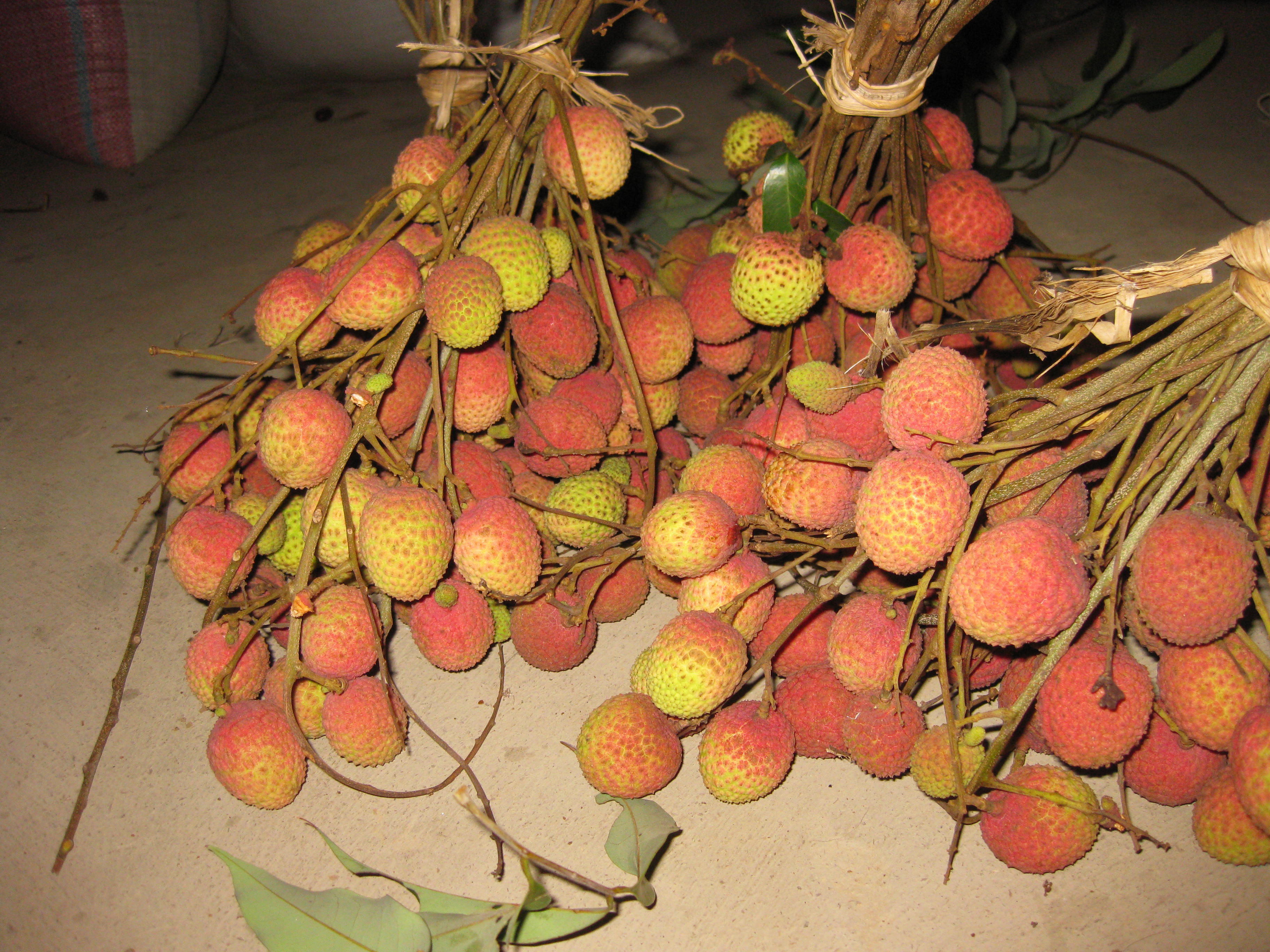
Jagonews24 listed the varieties grown in Dinajpur as Madrazi, Bombai, Bedana, China-3, Golapi and Kanthali, and said Bedana remained the most popular across the country. The Daily Star's March 2024 report added China-1 and China-2 and a variety called Hariya, described Bedana and China as the premium varieties, and said Madrazi ripens earliest.
The FAO report of 2002, in a chapter on Bangladesh by S. B. M. Abu Baker Siddiqui, described the main varieties in detail. Bombai, the most widely grown, bears regularly and gives heart-shaped red fruit with sweet pulp, harvested in the second week of May. Bedana was described as the best in quality, with globose bright red fruit and a very small seed, but the lowest yield; at the time it was grown only in Dinajpur and was harvested in the second week of June. China-3, a good-quality late variety with globose fruit mixed red, orange and green, was harvested in the last week of June and bore irregularly without good management. The report gave typical yields for 15 to 20-year-old trees of 7,000 to 8,000 fruits a tree for Bombai, 4,000 to 5,000 for China-3 and 2,000 to 3,000 for Bedana.
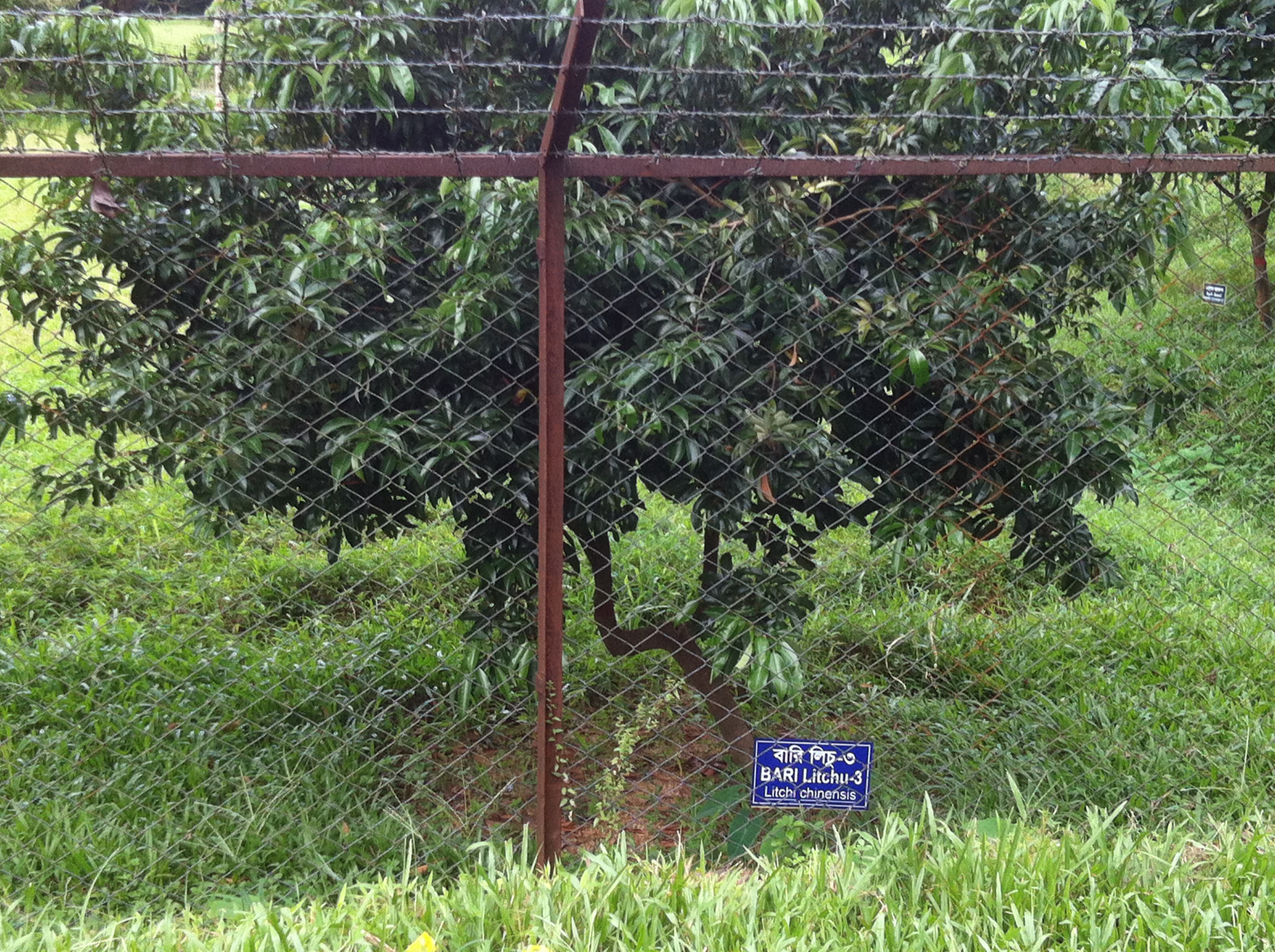
The same report recorded the work of the Bangladesh Agricultural Research Institute (BARI). BARI Lichu-1, an early, regular-bearing and high-yielding variety for the Rajshahi region, was released from Binodpur in Rajshahi in September 1996. BARI Lichu-2, a late variety with pink-red fruit described as tolerant of the nut borer and the mite, and BARI Lichu-3, a mid-season variety with a small seed and a high yield that closely resembles China-3, were selected at Akbarpur in Sylhet for the eastern regions.
From blossom to fruit: what the trees need
The litchi tree, Litchi chinensis of the soapberry family Sapindaceae, came originally from China, Banglapedia says. It is a medium to large evergreen tree reaching 12 to 15 metres. Warm, humid conditions favour its growth, but dry, hot air harms the fruit; it does best in deep, loamy alluvial soil and cannot tolerate waterlogging.
The blossom the growers were watching in April is the crop's most delicate stage. The FAO report notes that flowers form mostly on the current year's growth, that temperatures around flowering are about 27 to 28 degrees Celsius in most regions of Bangladesh, and that early rain during flowering reduces fruit set. The fruit is harvested about 55 to 60 days after it sets, usually in May and June, and must be picked fully ripe because litchi does not improve after picking.
The flowers need insects. The United States Department of Agriculture's handbook on insect pollination of crops, by S. E. McGregor, records studies in which a tree caged to keep insects out set no fruit, and in which only 0.03 to 0.10 per cent of caged flowers set fruit, against 0.7 to 11.2 per cent of flowers open to insects; in the Indian study, honey bees and stingless bees made up 98 to 99 per cent of the visitors. In Bangladesh, Prothom Alo reported in March 2019 that beekeepers had placed 8,000 bee boxes in litchi orchards in Gurudaspur upazila of Natore, where the upazila agriculture officer said pollination was better when bees visited the blossom.
Water matters most from flowering to harvest. The FAO report recommends irrigation during flowering, fruit set and fruit development, and notes that most Bangladeshi farmers did not irrigate bearing trees, which caused fruit to drop in dry spells. It recommends splitting fertiliser between March and September, with nitrogen the main nutrient and phosphorus, potassium, zinc, boron and copper also needed. Growers who want the doses for their own trees should ask the upazila agriculture office, as the DAE's deputy director said field officers were advising farmers in every union.
The FAO report names the litchi mite (Aceria litchi) as the most destructive pest, causing leaf galls and damage to flowers and fruit; it recommends pruning and burning infested twigs, along with approved acaricide or sulphur sprays in April and May. The fruit borer, whose larva enters the fruit from the stem end, is controlled with resistant varieties and sprays before ripening, and the bark-eating caterpillar by plugging its holes. Bats and birds also take ripening fruit. The report gives no doses, and growers should get the product and dose for their orchard from the upazila agriculture officer.
Litchi in Bangladesh's fruit basket
Litchi ranks second only to mango among Bangladesh's tree fruits, according to Banglapedia, and is grown throughout the country. DAE officials quoted in 2023 put the national area at about 26,000 hectares and production at about 200,000 tonnes a year. The Business Standard reported in June 2023 that production had risen to about 2.10 lakh tonnes in fiscal 2020-21, from about 1.81 lakh tonnes in fiscal 2015-16. The FAO report of 2002 gave a national average yield of only about 2.5 tonnes a hectare, low by international standards.
The fruit is eaten mainly fresh. Banglapedia says the edible pulp makes up 50 to 75 per cent of the fruit's weight and contains mainly sugars, with some protein, vitamins B and C, calcium and iron. United States Department of Agriculture data put vitamin C at 71.5 milligrams in 100 grams of raw litchi.
Its season is short. The FAO report listed the short harvest season of about 60 days, a narrow base of improved varieties, a shortage of good planting material, damaging pruning and harvesting practices and alternate bearing as the main constraints, and noted that litchi is highly perishable. It also noted that middlemen often bought the fruit on the tree before it ripened. In June 2023 the Nawabganj grower quoted by The Daily Star said the heat had cost him about Tk 1 lakh in a few days; it was against that memory that the growers of Masimpur and Madhabbati watched the blossom of April 2024.
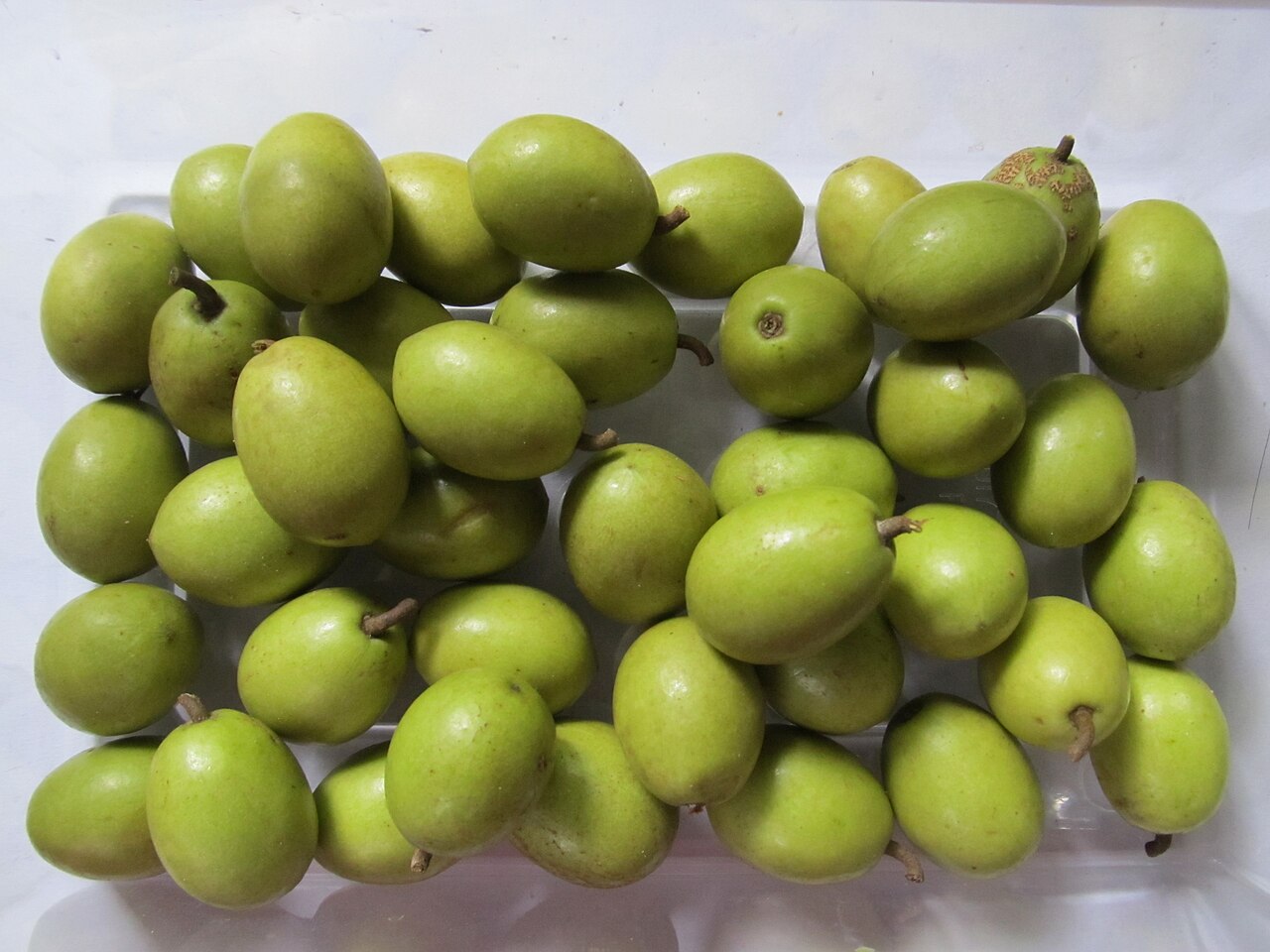
Photo: Sd Raihan / Wikimedia Commons (CC BY-SA 4.0)
Sources: Jagonews24, The Daily Star, The Daily Star Bangla, Maritime Gateway, The Business Standard, Banglapedia, Food and Agriculture Organization of the United Nations (FAO), United States Department of Agriculture (USDA), Prothom Alo, Wikipedia
Comments
(0)