
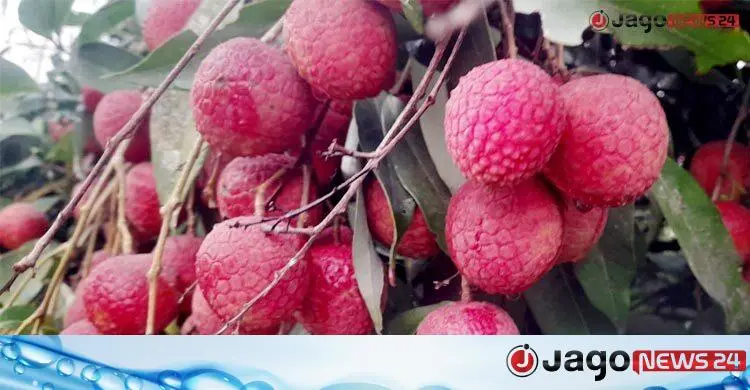
Mention litchi and anyone thinks of Dinajpur district. Among the litchis of the district known as the "kingdom of litchi", the Bedana is one of the best known. In taste, aroma and character it stands out among the many litchi varieties, and it has earned geographical indication (GI) recognition for its place of origin.
The Bedana litchi has a colourful history of some 250 years in Dinajpur. It began with a single farmer, but its cultivation later spread through kings, zamindars and British rulers. Commercial production of Bedana litchi in Dinajpur began 35 to 40 years ago, and at one time the fruit even served as a tonic for getting work done by ministers, MPs, secretaries and bureaucrats.
The farmer from Mashimpur
About 250 years ago, a man named Abdul Haque of Mashimpur village in No. 6 Auliapur in Dinajpur Sadar upazila brought the first Bedana litchi sapling from the Bombay region of India and planted it in front of his house. Within a few years the news spread throughout the district. Kings, zamindars and British rulers of the time relished the fruit, and later, through them, the litchi became firmly established in the northern region of Bangladesh, especially Dinajpur.
Because the soil and climate here proved very suitable for litchi, it became famous across the country. There is also a history of litchi growing at the Dinajpur Rajbari, where an old Bedana litchi tree still stands. Litchi farming then gradually spread across the country.
Yusuf Ali, 90, the oldest person in Mashimpur, said: "At one time many people wanted to marry into Mashimpur because of the litchis. When they came to see a bride, they would also check whether the house had a litchi tree. We heard from our fathers and grandfathers that at the start of the British period a certain Abdul Haque first brought a Bedana litchi sapling from India and planted it. Litchi farming in Mashimpur began with him. Later British rulers, various kings and zamindars grew litchi as a prized fruit. The news of litchi farming spread across the country from this village."
Why it is called Bedana
Litchi is grown on 5,890 hectares in the district, of which Bedana is grown on 295.5 hectares.
Eleven varieties of litchi are now grown in various districts of the country, and the Bedana is the tastiest of them; it is called a natural rasgolla. It is grown in other districts too, but no other district's Bedana matches Dinajpur's in taste, aroma, colour and size, and it is valued throughout the country.
There are two kinds of Bedana litchi: Bedana and Hariana Bedana. Of the two, the one called Bedana is in demand across the country.
The seed inside the Bedana litchi is very small, like a pomegranate (bedana) seed, and the flesh is much thicker, which is how it got its name. Its sweetness is exceptional, the skin is relatively smooth and thin, and the colour is a bright sweet red. These features, the article says, mark out a Dinajpur Bedana litchi.
Agriculturist Md Ejamul Haque, deputy director of the Horticulture Centre, said various fruits are grown in Dinajpur district, including mango, litchi and jackfruit. This year litchi has been grown on about 6,000 hectares in the district, and a total of 11 varieties are grown there, including Bombai, Kathali, Madraji, China Three and Bedana. The GI recognition for Bedana litchi is encouraging farmers further, he said. A new variety suited to the changing global climate is needed; if improved varieties can be given to farmers, they will be encouraged to grow more litchi, he said.
Old trees and oral history
Retired teacher Abdul Malek, 65, of Masimpur Sarkar Para village in Sadar upazila, showed a Bedana litchi tree in front of his house. "When I was small, the tree was already very big," he said. "It was probably planted by my grandparents or their parents. Now its top has broken and its trunk has wounds like sores. We have kept it as a memento. I think the tree is 150 years old or more. So far nobody has been able to say its exact age; my elder brother could not tell either."
National award-winning young litchi researcher Mosaddek Hossain said: "Dinajpur's Bedana litchi has already been recognised as a geographical indication product of Dinajpur, and as Dinajpur people we are proud. From what history and tradition tell us, the region's litchi heritage and fame for several centuries have been centred on a village called Mashimpur and the area around it. From this it can be inferred that the spread of litchi in the districts of northern Bangladesh centred on Mashimpur."
"We grow litchi now, and we have heard from elderly people that for the past few centuries fathers, grandfathers, great-grandfathers and their fathers grew litchi here," he said. "Some oral and traditional history is known. It is said that a man named Abdul Haque of Mashimpur village first began growing Bedana litchi. Later, one after another, 11 varieties of litchi arrived."
Because the region has a temperate climate, the natural microbial presence in the soil is a good aid to litchi production. As a result, the Bedana litchi grown here has not been matched anywhere else in Bangladesh, and its sweetness and flesh have earned it fame as a geographical product.
Pointing to a huge litchi tree, he said: "Ever since I was born I have heard this Bedana litchi tree called the Jora Bura litchi tree. But nobody could say how old it is. That means it is the oldest litchi tree in this village; it is thought it could be 200 years old."
Still, no one could give a precise history of litchi farming. There is no specific research in Dinajpur on improved litchi varieties, litchi storage or developing climate-tolerant varieties.
Source: Jagonews24. First published in Bengali on The Agro News.
Comments
(0)