
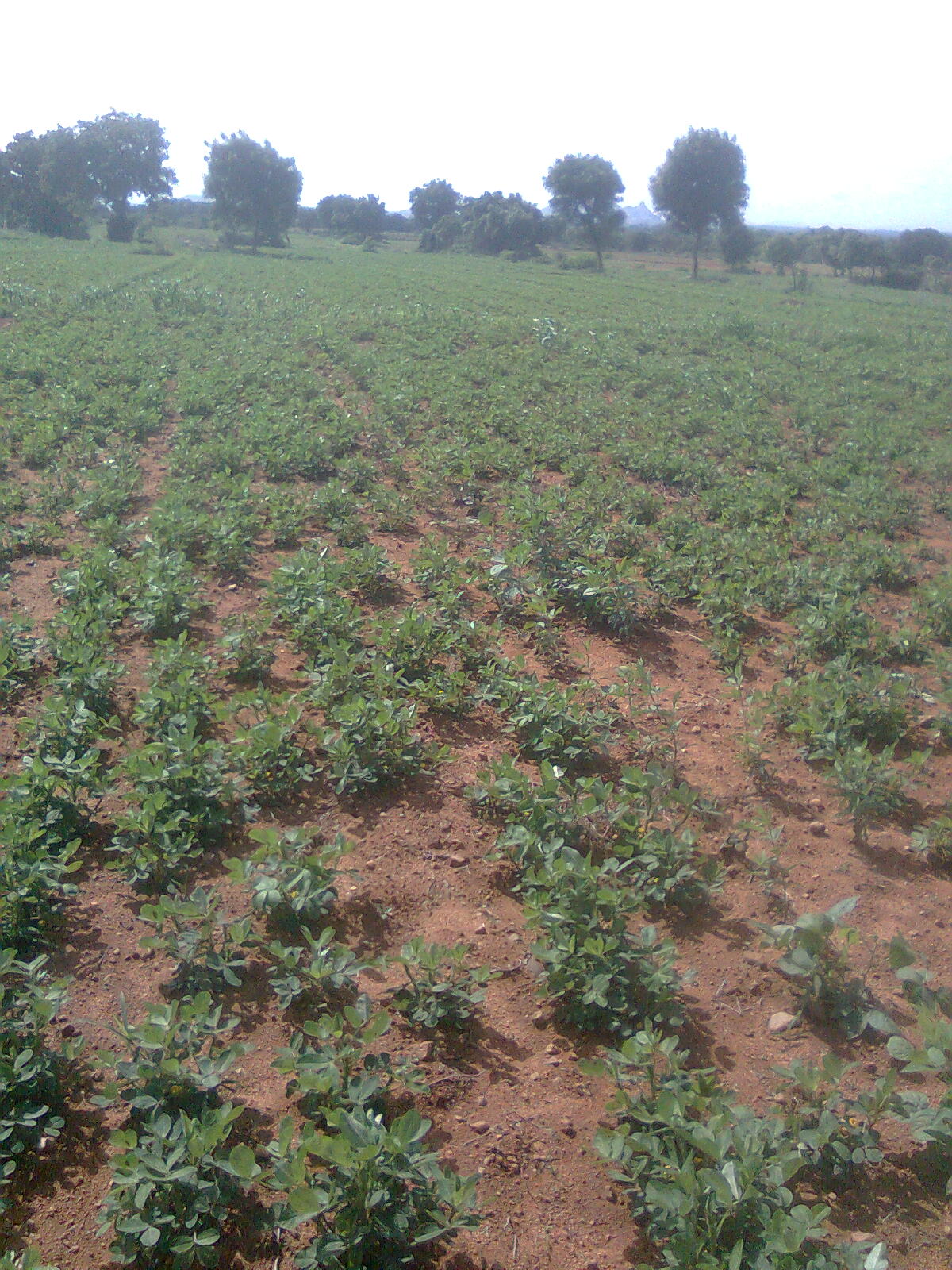
For farmers in Sakri taluka of Dhule district in India's Maharashtra, this year's drought is not a story of a failed monsoon. Timely early rain raised hopes of a bumper harvest, then the clouds vanished just when the crops needed water most. Last week the state government declared 265 of its 358 talukas drought-affected; all four of Dhule's talukas are among them, in 32 districts hit.
Official figures show an 18 percent rain deficit across the state, but Sakri's monsoon total was close to normal. The damage came from a long dry spell: of the 102 days from 1 June to 11 September, 67 had no rain at all, including 22 completely dry days in a row. The kharif crop has withered, and with no moisture in the soil there is no way to sow a rabi crop.
Nimbabai Brahmane, 65, of Khori village, grew groundnut, cotton and bajra on two acres. The rain stopped just as the groundnut pods were filling, and the stunted plants are unfit even as fodder. Older farmers say the crisis recalls the historic Maharashtra drought of 1971-72, but this time hurts more because, after the early rain, they had put all their savings into the land.
Most farmers around Sakri belong to the Bhil, Kokna, Gamit, Naikda and Pardhi tribal communities. Many have farmed forest land for years with their forest-rights claims still pending, so there is doubt whether government relief or compensation will reach them.
Under the drought management code the state has announced land-revenue waivers, restructuring of farm loans and a moratorium on loan recovery, but real financial help will come only after field damage assessments. Farmers say losing both kharif and rabi income is driving them into debt. Shaligram Gaikwad, 72, of neighbouring Jalgaon district is trying to save his onions with a little borewell and well water, but the falling water table is a new worry.
The report is by Indian Express Bangla, based on a special report by The Indian Express.
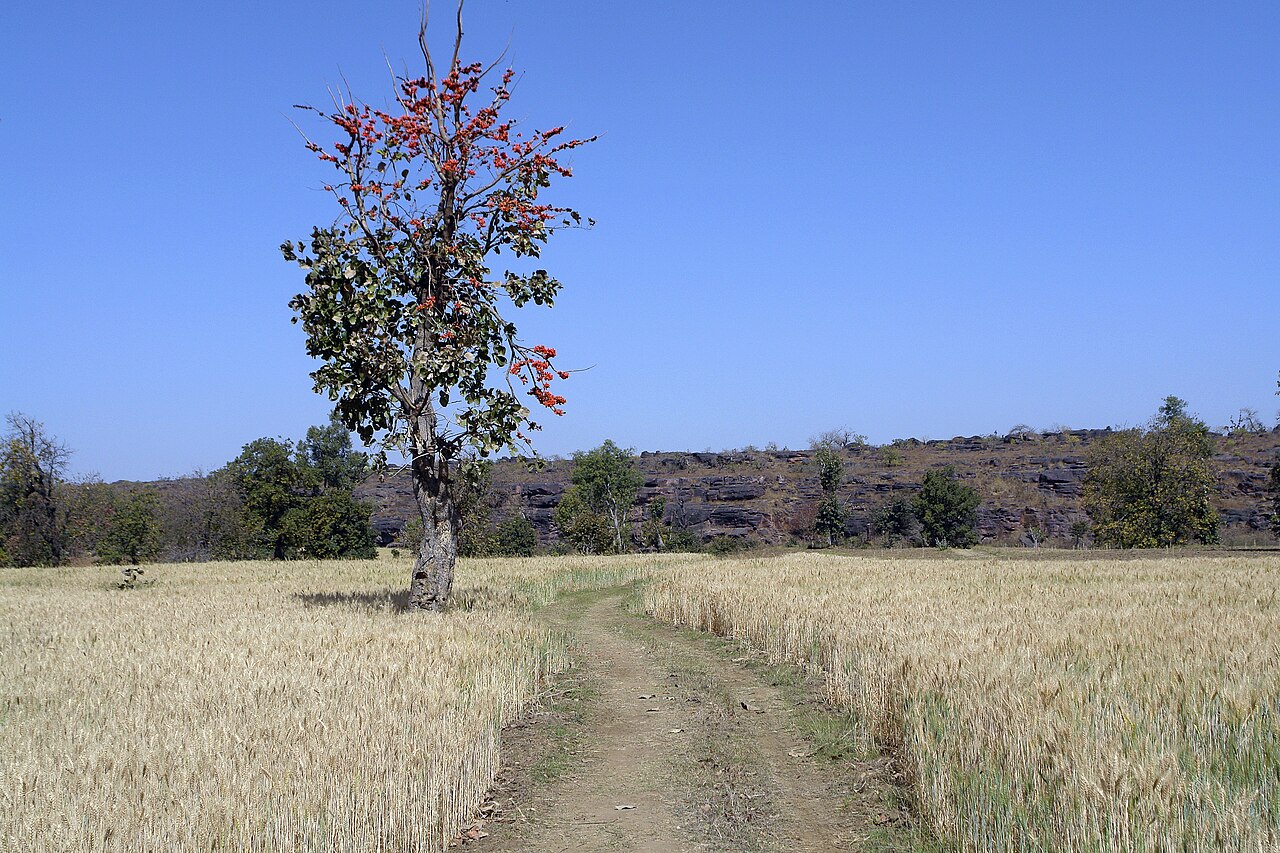
Photo: Wikimedia Commons (public domain)
Source: Indian Express Bangla
Comments
(0)