
Migratory birds appear in Bengal as soon as winter sets in, flying in flocks from Russia, Siberia and various European countries. Each year these wandering birds travel long distances in search of food, breeding grounds and shelter, settling on the Dhaka zoo lake, in Mirpur Cantonment, on the lakes of Jahangirnagar University and in haors across the country.
This year, however, although the cold has intensified, no migratory birds have yet been seen on the lake at the Dhaka zoo. Zoo officials said they may appear by mid-January.
A visit to the national zoo on Sunday, 2 January, found the animals moving about freely. The director said straw and jute sacking had been put in the cages to protect them from the cold.
Most migratory birds reach Bangladesh from the snow-white Himalayas and from beyond them. They cross from one country to another in search of food, shelter and nesting sites.
Visitors turned away
Sunday is the zoo's weekly closing day, yet visitors still turned up. Last year, for the Mujib birth centenary, no ticket was needed to enter the zoo on the first Sunday of January. This year too visitors came on the first Sunday of the year, but had to turn back at the main gate. They said they would have been spared the trouble had they been told in advance.
Samiul, a cloth trader who came from Shonir Akhra in the capital, told Jagonews: "I spent Tk 1,200 to get here, only to find the zoo closed. This should have been announced beforehand."
Those involved said visitor numbers have risen since the start of winter. Because the zoo has many trees, it is colder there, but the authorities have taken various steps to protect the animals.
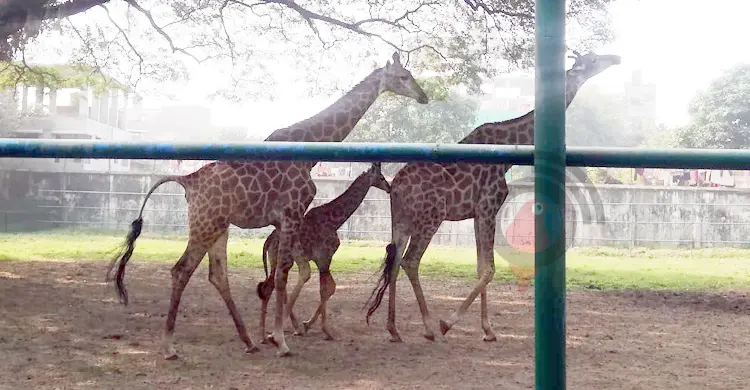
Cleaners were seen at work, while tigers, lions, horses and giraffes moved about at ease in their enclosures.
Straw, sand and sacking
The national zoo's director, Dr Md Abdul Latif, told Jagonews that the animals had shown no real cold-related problems. As every year, measures were taken from the start of winter to keep them from suffering from the cold.
He said cleaning is carried out on Sundays. Coarse sand has been put in the tiger and lion cages for protection in winter. The cages of monkeys, peacocks and other birds that are more likely to catch cold are covered with jute sacking at night and uncovered in the morning. Straw has been spread in the enclosures of the large animals so they feel the cold less.
Zoo official Saroar Roni said the giraffe calf born last year and the other animals are doing well and eating properly.
Meanwhile, a joint survey by the Bangladesh Bird Club, the Forest Department and IUCN, the international alliance of nature conservation organisations, found about 20,000 fewer migratory birds in the country this year than last. A total of 125,000 migratory birds came to Bangladesh's main wetlands this year, against about 145,000 last year.
Source: Jagonews24. First published in Bengali on The Agro News.


Comments
(0)