
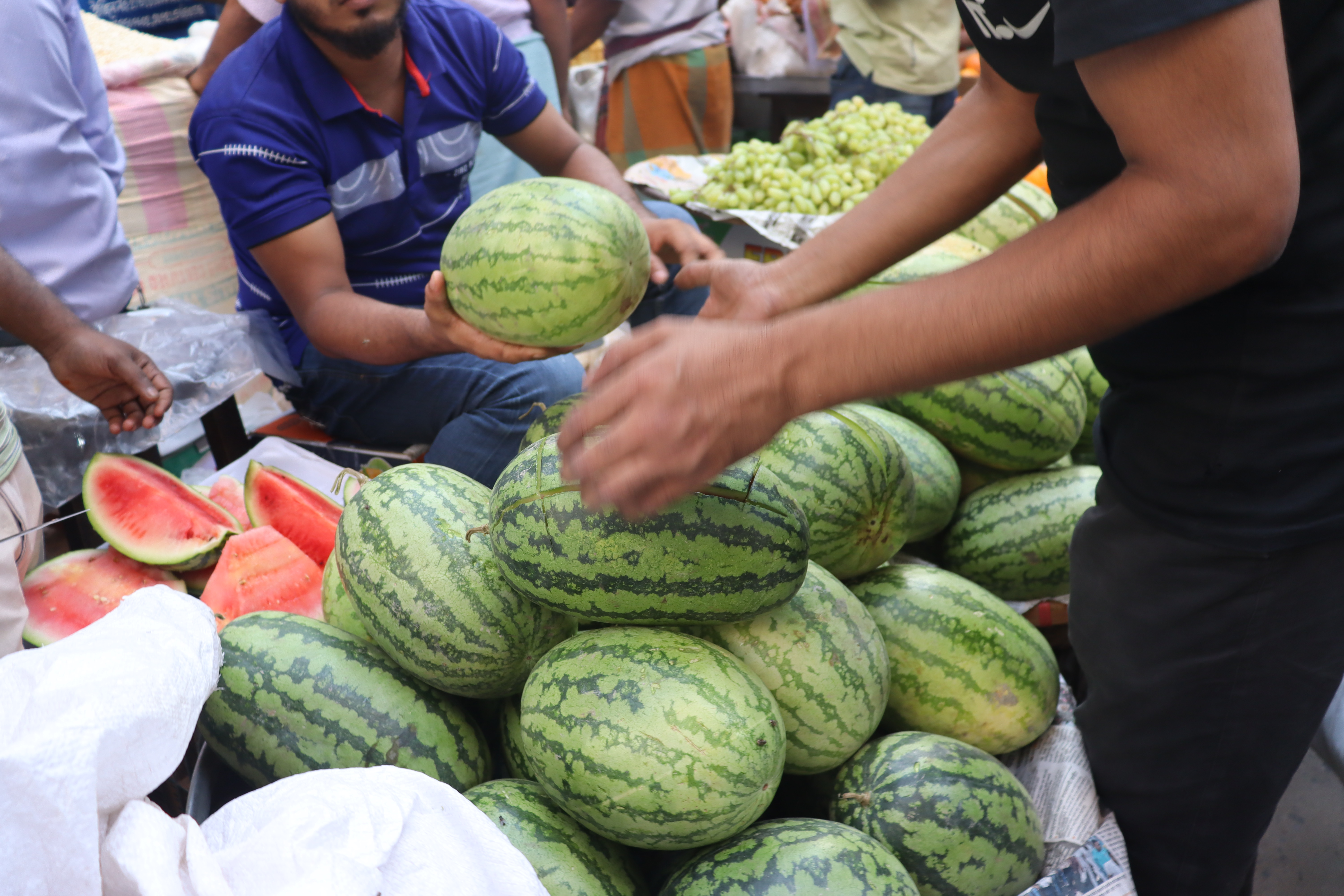
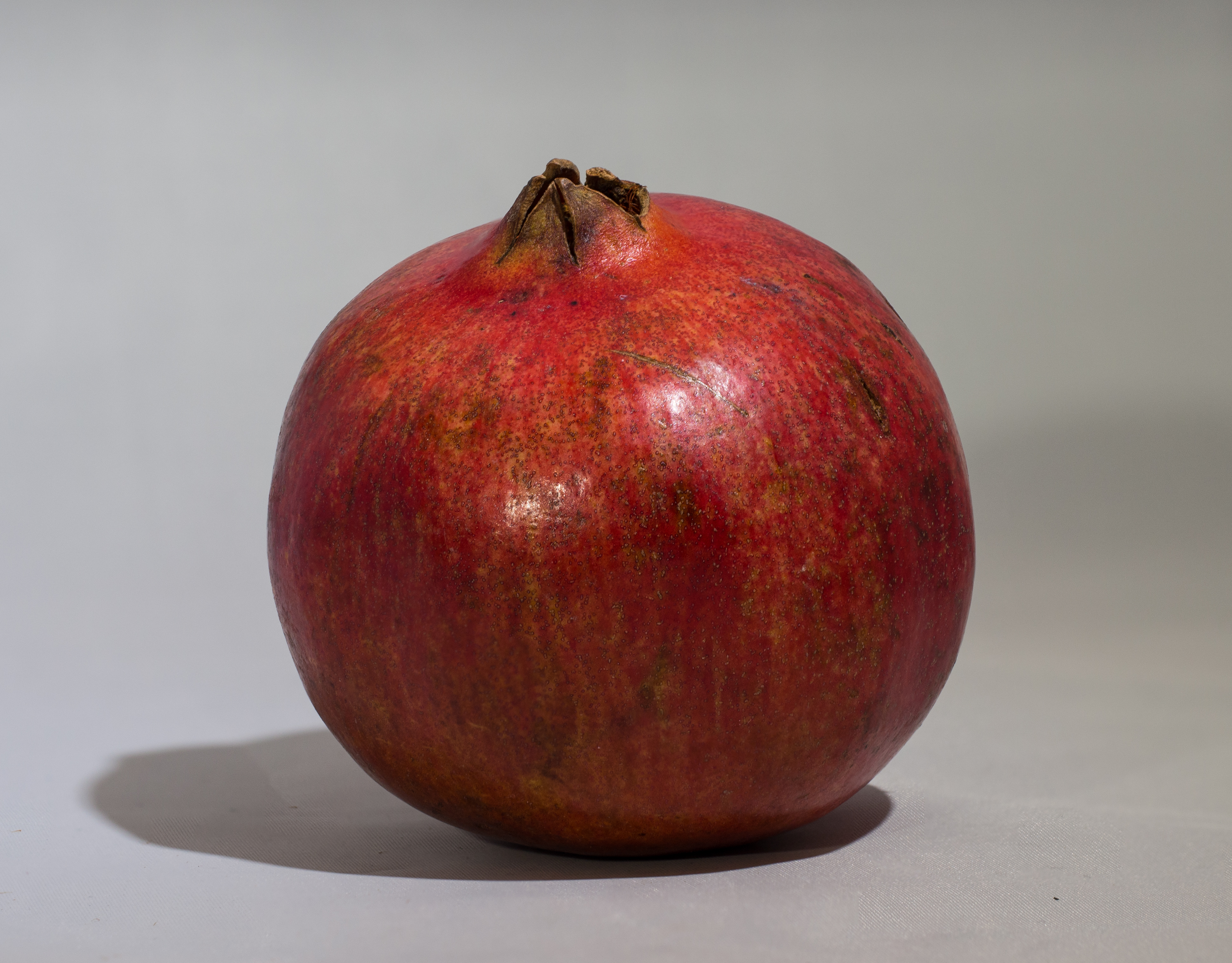
Watermelon prices in Dhaka eased on Sunday, 22 March 2026, the second day of Eid al-Fitr, falling to Tk 50 to 60 a kilogram. Imported fruit, however, was still expensive, with pomegranate selling at Tk 500 to 530 a kg. Jagonews24 reported the picture after visiting markets at Mirpur-11, Taltola and Shewrapara.
Fruit had been a staple of iftar throughout Ramadan, and prices stayed high all month. During the Eid holiday city residents were visiting relatives and taking fruit with them, and the higher prices weighed on middle- and lower-income buyers.
Watermelon eases at the end of Ramadan
According to Jagonews24, watermelon sold for Tk 80 to 100 a kg at the start of Ramadan. Towards the end of the month it came down to Tk 70 to 80, and on the second day of Eid to Tk 50 to 60.
Sellers said the watermelon season was under way and supply was plentiful. Demand, and with it the price, had been high during Ramadan; once demand dropped after Eid, prices fell somewhat. Tofazzel Alam, a fruit trader at Mirpur-11, said watermelon supply was now high and prices were within buyers' reach.
A shopper named Shimu, buying watermelon at the same market, said she was going to a relative's house and had bought watermelon and some other fruit. Watermelon was a little cheaper, she said, but other fruit could not be had for under Tk 300.
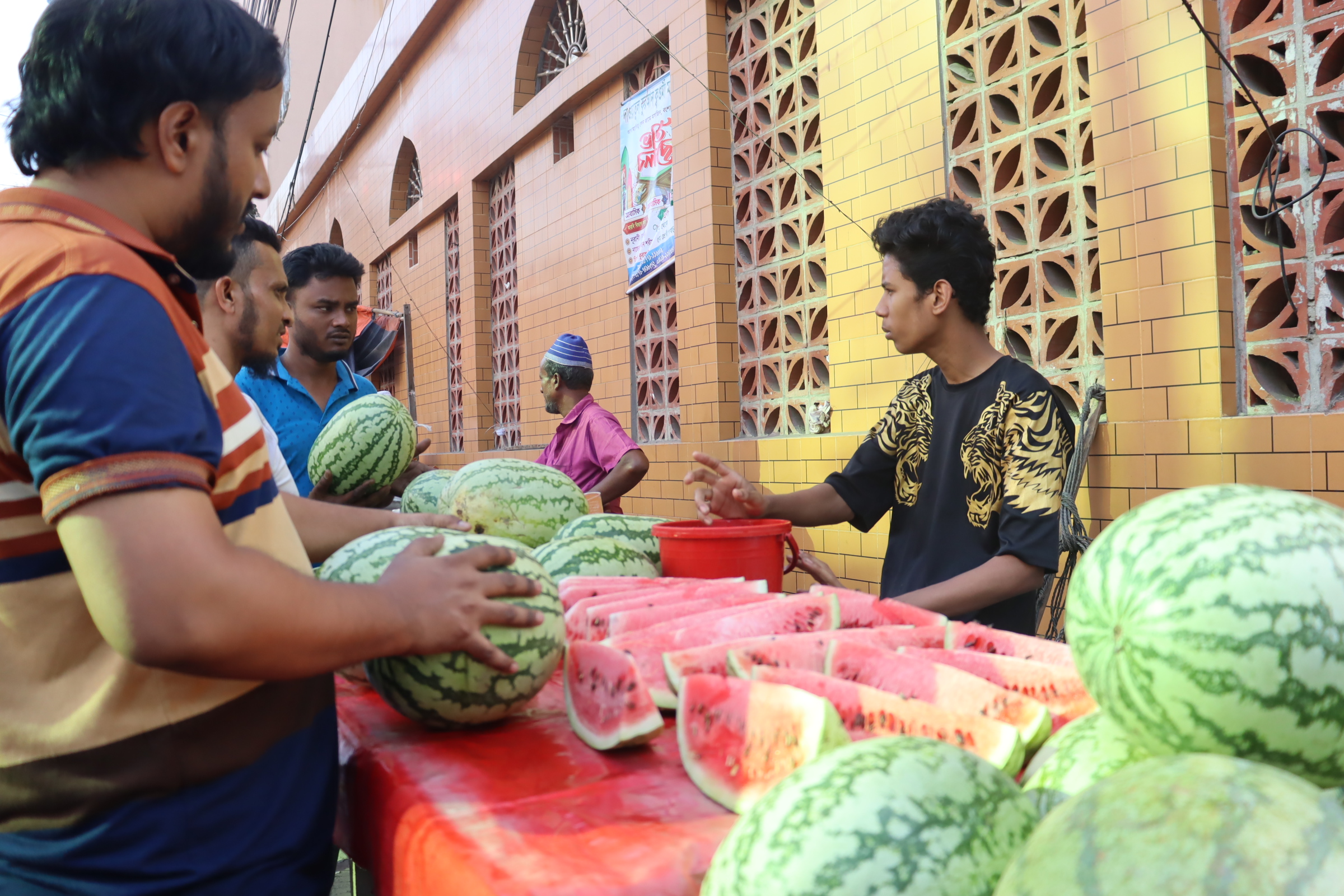
Cheap in the field, dear in Dhaka early in Ramadan
Much of the watermelon reaching Dhaka comes from Patuakhali, a coastal district in the south. The state news agency BSS reported on 3 March 2026 that, according to the district's Department of Agricultural Extension, watermelon covered 27,350 hectares there the previous year and 34,480 hectares that season, with cultivation spreading across newly formed chars along the Tentulia River and in Bauphal, Rangabali, Galachipa, Dashmina and Kalapara upazilas. The season's watermelon trade in the district was expected to reach Tk 300 to 350 crore.
Early in Ramadan the gap between field and city prices drew criticism. Bonik Barta reported on 7 March that in Galachipa, Patuakhali, watermelons of three to seven kilograms were fetching an average of Tk 180 to 220 each at farm level, while every vendor surveyed at Karwan Bazar, New Market, Badda and Hatirpool in Dhaka was charging more than Tk 80 a kg. A Karwan Bazar shopkeeper said then that the season had not really started, early-planted fruit was arriving and supply was short of demand. By Eid, sellers were pointing to plentiful supply instead.
Imported fruit stays expensive
Jagonews24 found these prices per kilogram at Taltola and Shewrapara markets on 22 March:
- Pomegranate: Tk 500 to 530
- Pears: Tk 380 to 400
- Gala strawberries: Tk 360 to 400
- Apples: Tk 350 to 380
- White grapes: Tk 350 to 360
- Oranges: Tk 320 to 350
- Malta: Tk 300 to 320
A buyer named Sajid Ahmed said fruit prices had been very high throughout Ramadan and fruit was now beyond the reach of the middle class. He had bought a few apples for the elderly members of his family.
The Business Standard looked on 15 March at why prices stayed high even as imports rose. Data from the Plant Quarantine Station at Chattogram Port showed fruit imports of 558,020 tonnes in the first seven months of FY26, against 221,327 tonnes in the same period of FY25. Traders blamed strong Ramadan demand, the dollar exchange rate and duties, and the paper reported that the total tax incidence on fruit imports had risen to about 116% over three years. SM Nazer Hossain, vice president of the Consumers Association of Bangladesh (CAB), told the paper that the impact of more imports or lower duties on prices was minimal because the market operated almost entirely without oversight.
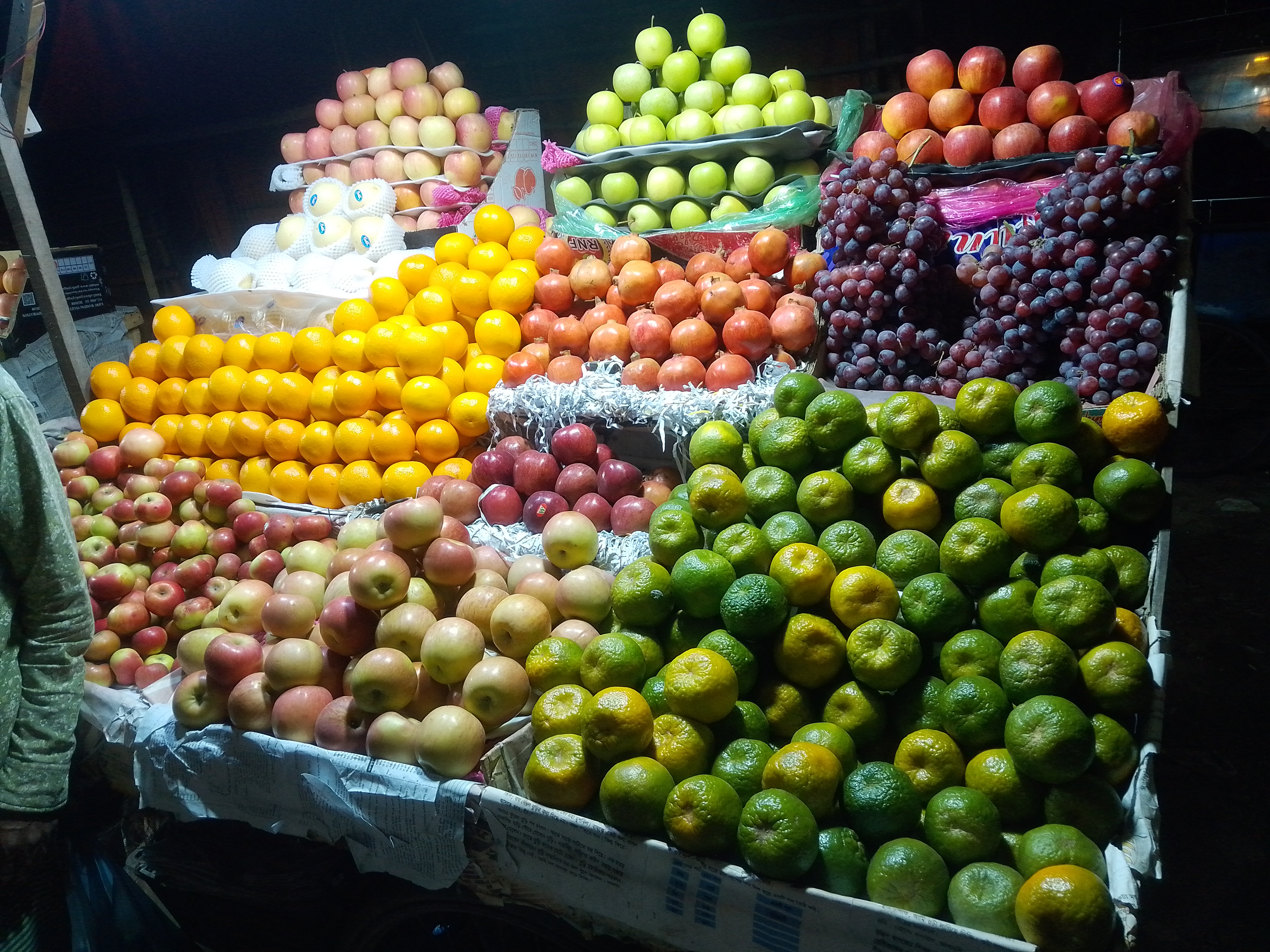
Photo: Wasiul Bahar / Wikimedia Commons (CC BY-SA 4.0)
Sources: Jagonews24, Bangladesh Sangbad Sangstha (BSS), Bonik Barta, The Business Standard
Comments
(0)