
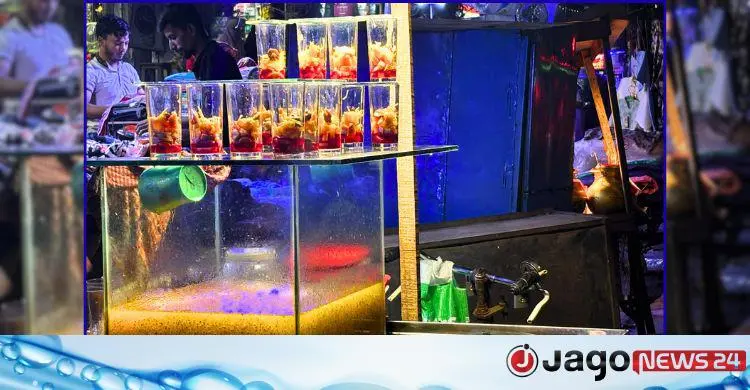
Walking through the Dhaka heat, your eye suddenly falls on ice-cold sharbat: attractive red, green and yellow drinks. For a tired body and a dry throat, a glass of sharbat seems to bring instant relief. Cheap and easy to find, these drinks are very popular with passers-by. But the question is: how safe are these sharbats and fruit juices?
Lemon sharbat, bael (wood apple) sharbat, sugarcane juice, and watermelon or papaya juice are the most common in different parts of the capital. Many sellers add sugar, salt, ice, basil seeds and sometimes artificial colours or flavours to improve the taste. In some cases syrups or thick sweet solutions are used, and buyers have no idea of their quality or ingredients.
The problem is in the preparation
The main ingredient of these drinks, fruit, is healthy, but the problems come in the preparation. Most of the time the fruit is kept uncovered, so it is easily exposed to dust and pollution. Often the fruit is cut without being washed properly. The same knife or blender is used again and again without being cleaned properly, which can be a major cause of spreading germs.
The biggest concern is the quality of the water. In most cases the water used to make sharbat is not boiled or purified. Often tap water from the street or water from unknown sources is used. Likewise, the ice is often made with dirty water. So there is a risk of harmful germs entering the body through the water.
Such drinks can cause diarrhoea, typhoid, jaundice and other waterborne diseases. The risk is greater for children, the elderly and people with weak immunity.
What to check before you drink
Not all street sharbat is completely unhygienic, however. Some sellers pay attention to cleanliness, but that is not always visible from outside. So awareness is the best protection.
Before drinking sharbat, it is important to check a few things:
- whether the water and ice come from a clean source;
- whether the fruit has been washed;
- whether the glasses and equipment are clean.
If you are in doubt about any of these, it is better not to drink.
Street sharbat may seem an easy way to quench thirst in the heat, but it can hide health risks. To stay safe, the best habit is to carry water or home-made sharbat with you when possible.
The report cites the World Health Organization, icddr,b and the Institute of Public Health, Bangladesh as sources.
Source: Jagonews24. First published in Bengali on The Agro News.


Comments
(0)