
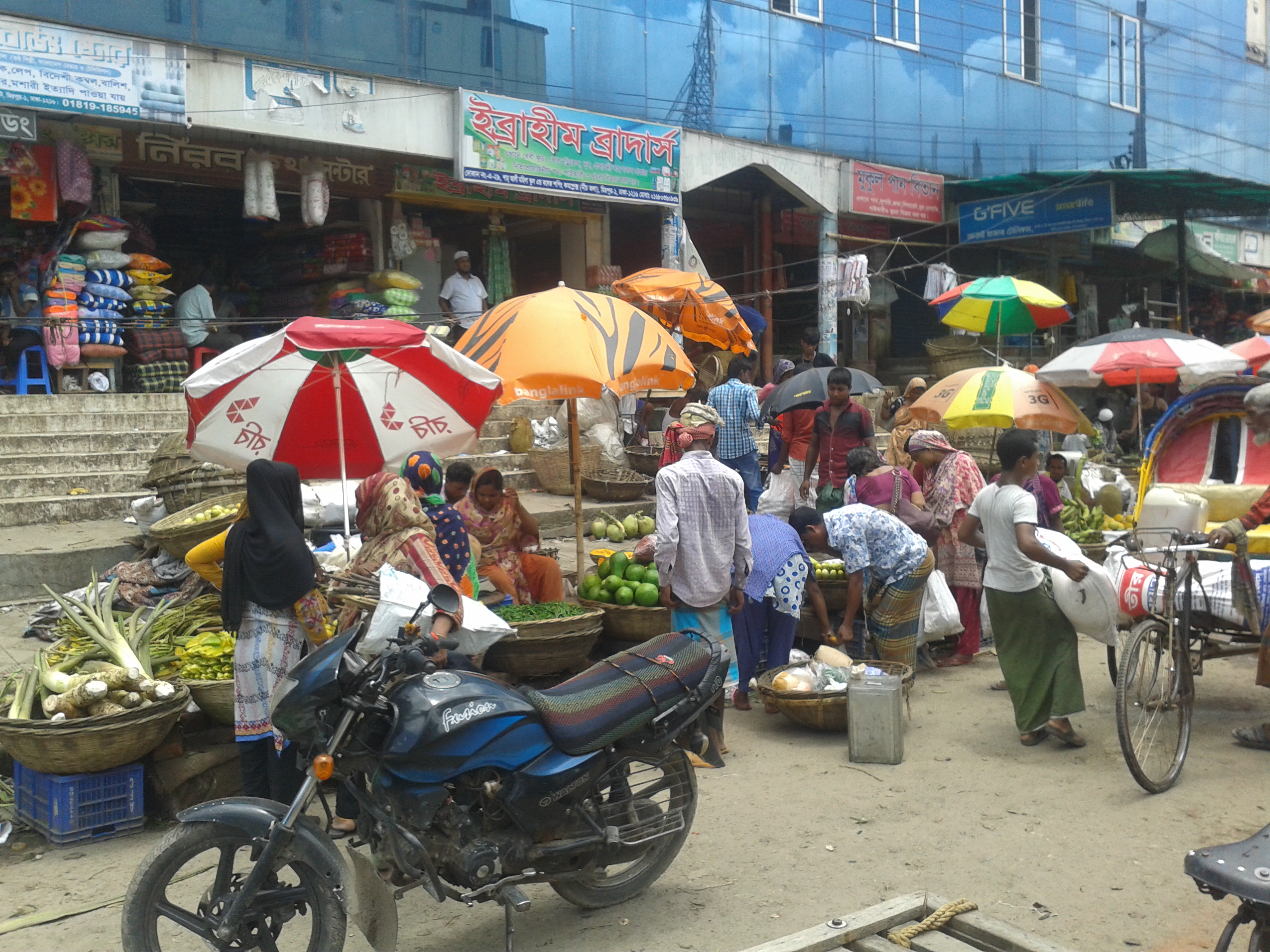
Some everyday foods became cheaper in Dhaka on Friday 6 March 2026, in the middle of Ramadan, while others turned dearer. Jagonews24, reporting from markets in Mirpur that day, found that lemons and cucumbers had eased a little from the high prices of the first days of the fast, while broiler chicken and various spices had gone up. Broiler chicken passed Tk 200 a kg in Dhaka's retail markets.
In Mirpur that day broiler chicken sold at Tk 190 to Tk 210 a kg and sonali chicken at Tk 300 to Tk 330. Lemons cost Tk 40 to Tk 70 a hali depending on quality. Buyers and sellers also complained that supplies of bottled soybean oil had been falling for several days.
What Mirpur's markets showed on 6 March
According to Jagonews24, fish, vegetables and beef were almost unchanged in Mirpur, with beef selling at Tk 750 to Tk 820 a kg depending on quality. Some prices fell. Onions were down Tk 10 a kg at Tk 40 to Tk 45, and green chillies were down Tk 20 a kg at Tk 120 to Tk 140.
Two weeks earlier the picture had been different. Prothom Alo's report of 19 February put onions at Tk 55 to Tk 60 a kg and green chillies at Tk 140 to Tk 160. The Daily Star, in a report the same day, found retail onions at Tk 60 to Tk 70 and green chillies at Tk 180 to Tk 240 in several Dhaka markets. Beef also moved during the fast: Prothom Alo reported on its market visit of 26 February that it had dropped by Tk 30 a kg to Tk 750.
Masud Karim, a vegetable seller at Mirpur 1 kitchen market, told Jagonews24 that demand for lemons, cucumbers and onions had risen at the start of Ramadan. Many people bought more than they needed, so demand and prices then eased. Shafi Uddin, a seller at Mirpur 11 kitchen market, said most vegetables were selling at earlier prices, though aubergines were slightly cheaper.
Mirpur is a densely populated part of north-west Dhaka. Mirpur thana, in Dhaka North City Corporation, covers about 6.42 square km and had some 546,000 residents in the 2022 census. The wider area is divided into numbered sections, which is why its markets go by names such as Mirpur 1 and Mirpur 11.
Lemons came down from a sharp Ramadan peak
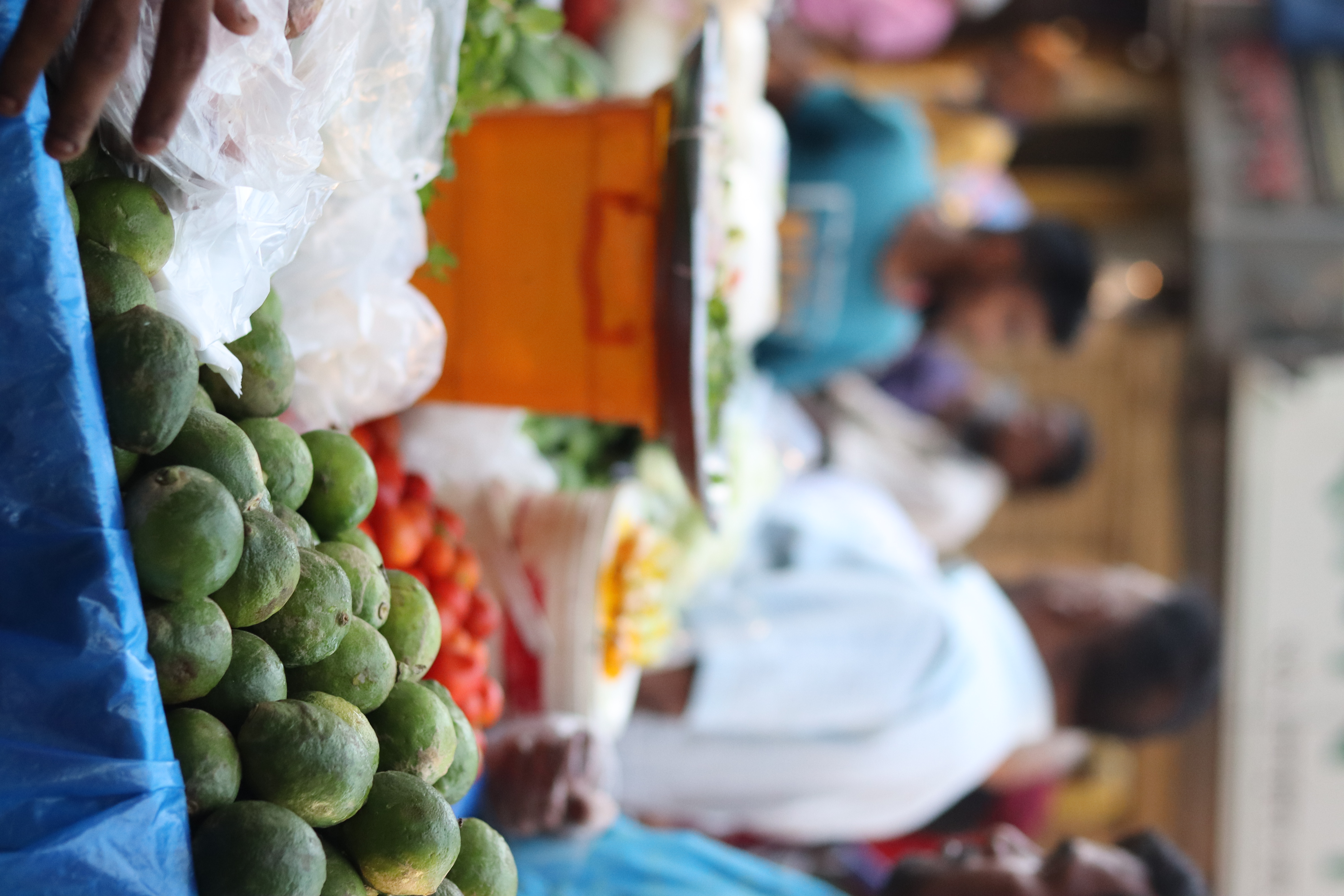
Lemons and cucumbers were expensive in the first week of Ramadan. Lemons are in demand for sherbet at iftar and cucumber is the main ingredient of salad, so both rose as the fast began. In Mirpur, lemons then sold at Tk 60 to Tk 100 a hali depending on quality, and prices stayed about the same the following week. In the week of 6 March they eased to Tk 40 to Tk 70. A hali in Bangladeshi markets is four pieces.
Ramadan began in Bangladesh on 19 February 2026, and the climb in lemon prices started before it. Prothom Alo reported that ordinary lemons costing Tk 20 to Tk 40 a hali a few weeks earlier were selling at Tk 60 to Tk 80 on 17 February, with large ones at Tk 80 to Tk 120. Before Ramadan the previous year a hali had cost Tk 40 to Tk 50.
Prices rose again on the first day of the fast. At Mohammadpur Krishi Market, Prothom Alo saw large, good lemons on sale at Tk 100 to Tk 160 a hali, and many buyers turned away on hearing the price. One vegetable seller there said he had paid Tk 27.50 a lemon wholesale at Karwan Bazar and was selling at Tk 140 a hali. The Daily Star reported that shoppers in Dhaka's kitchen markets had to pay Tk 150 to Tk 200 for four normal-sized lemons.
Prices were not the same everywhere. In Old Dhaka on 20 February, Dhaka Tribune found lemons at Tk 100 a hali in kitchen markets and at Tk 40 on the footpath. A woman vendor there said she brought hers from Karwan Bazar and Shyambazar and made Tk 5 to Tk 10 a hali. By Prothom Alo's market visit of 26 February a hali had fallen to Tk 60 to Tk 80, with larger, better lemons costing more.
Why lemons run short at this time of year
Ramadan's demand fell at the wrong point of the lemon's year. Vegetable sellers told Prothom Alo that although lemons are produced all year, the trees usually flower from January to March and the fruit is picked in July and August, though various varieties are now grown all twelve months. A trader of 42 years' standing at Karwan Bazar told The Daily Star that the peak season begins with the monsoon, and that January and February typically bring a supply squeeze.
The same news came from Sreemangal in Moulvibazar. Growers quoted by Dhaka Tribune on 20 February blamed prolonged dry weather, saying drought had hurt flowering and raised the cost of irrigating hill orchards. Traders said a tree that gives 300 to 350 lemons at the peak was yielding only 20 to 30 in many orchards. Lemons there sold at Tk 40 to Tk 150 a hali depending on quality and size. The upazila agriculture officer said it was not the lemon season, so yields were naturally lower and demand had outpaced supply. Wholesalers said trucks carried lemons daily from Sreemangal to Karwan Bazar and Jatrabari in Dhaka.
Banglapedia describes the lemon (Citrus limon) as a citrus fruit of Indian origin grown across Bangladesh, with production concentrated in Sylhet, Chittagong and the Chittagong Hill Tracts. Local types include Elachi, Pati, Kaliganj and Shasni lebu, and the Bangladesh Agricultural Research Institute (BARI) has released BARI Lebu-1, 2 and 3. The smaller kagzi lime (Citrus aurantifolia) is also called lebu in Bengali. It covers more than 9,000 acres and is abundant in the rainy season. Both are rich in vitamin C and go mainly into juice, pickles and drinks.
Cucumbers gave a little relief after climbing since January
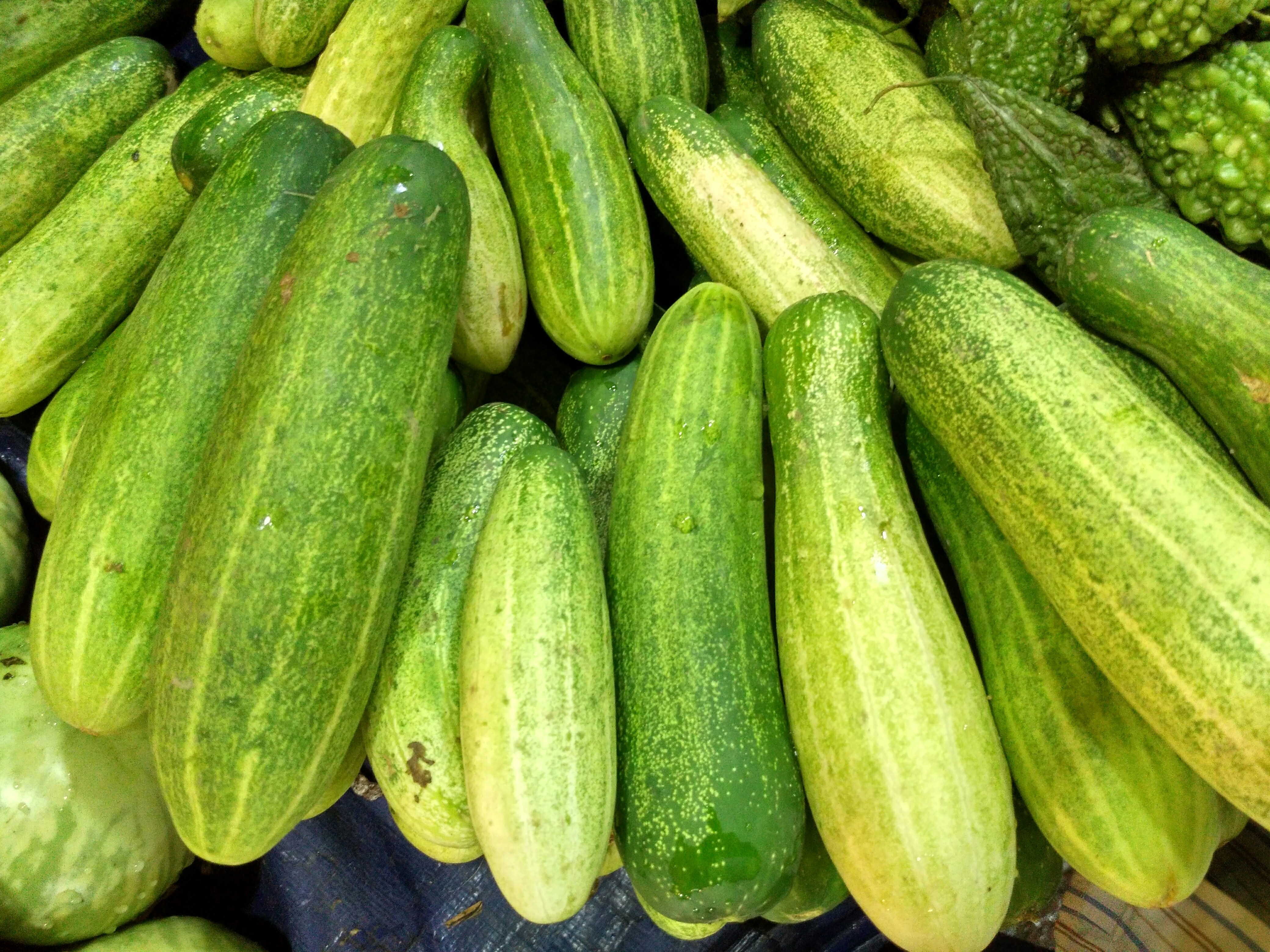
Jagonews24 reported that cucumbers, which sold at Tk 80 to Tk 100 a kg at the start of Ramadan, were down Tk 5 to Tk 10 in the week of 6 March. Their climb had begun long before. Dhaka Tribune found on 2 January that cucumbers in Old Dhaka had gone from Tk 50 to Tk 80 a kg within a week, and a Narinda vendor put that down to lower production in the cold and the seasonal rise before Ramadan. On 6 February a trader at Ray Saheb Bazar said there was little chance of a fall before the fast.
On the first day of Ramadan, Prothom Alo found cucumbers at Tk 100 to Tk 120 a kg in Mohammadpur and Karwan Bazar, and higher in some markets. The Daily Star reported hybrid cucumbers at Tk 100 to Tk 120 while preference for the local kind pushed it to Tk 160. In Rajshahi the price jumped from Tk 60 to Tk 90 a kg. On 26 February Prothom Alo found Tk 80 to Tk 100 again, and citing the Trading Corporation of Bangladesh (TCB) it said cucumbers were 78 per cent dearer than a year earlier.
Banglapedia describes cucumber (Cucumis sativus) as a summer vegetable in Bangladesh. Seed is usually sown directly in the field from February to April, sometimes as 15- to 20-day-old seedlings, and the crop is ready 45 to 55 days after sowing, yielding 10 to 12 tons a hectare. Local varieties include Baromasi, Barsati and Patia Giant, alongside imported F1 hybrids. By that calendar the sowing season was only opening as Ramadan began in 2026.
Chicken prices swung through the fast
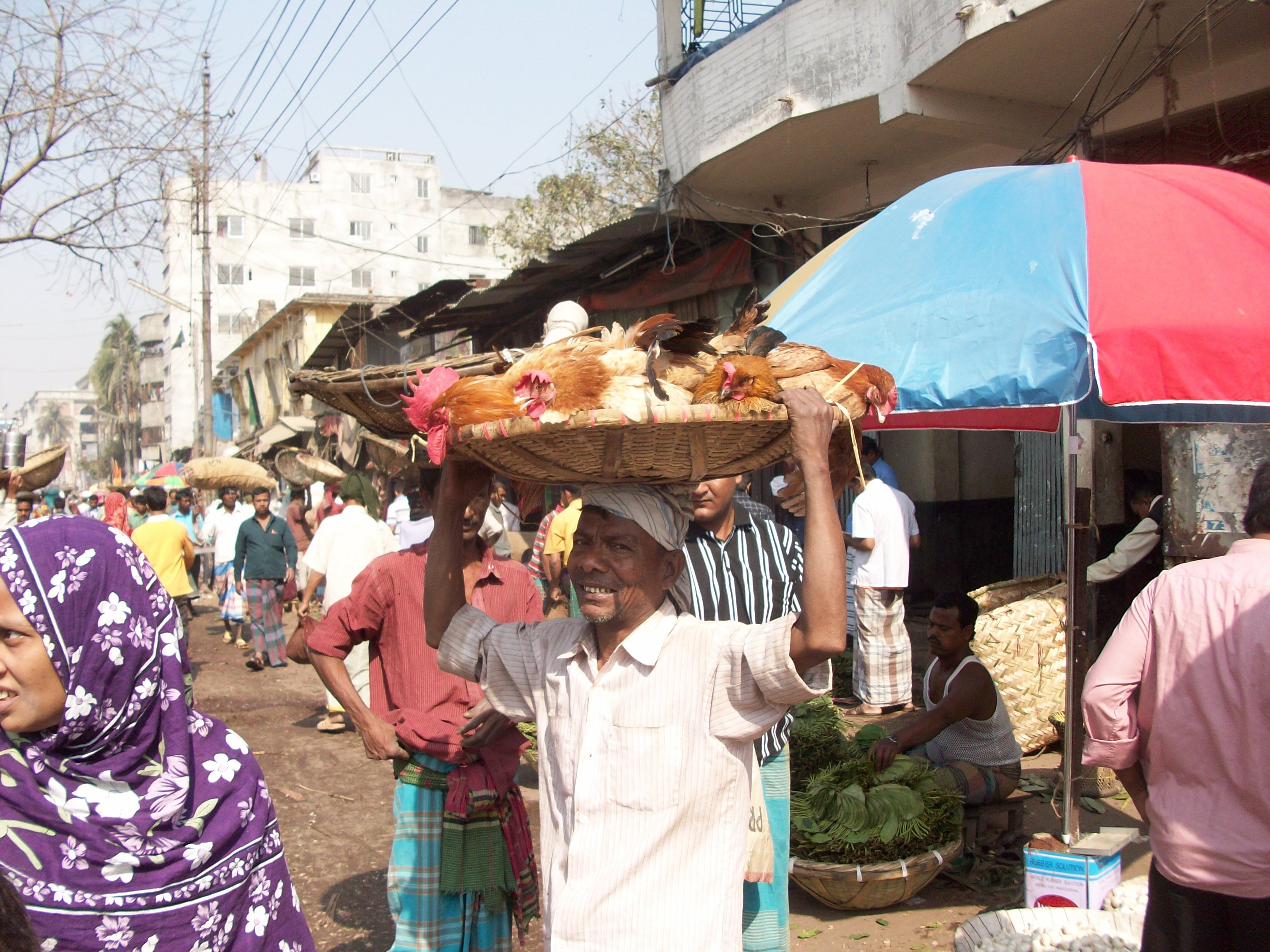
By mid-Ramadan, Jagonews24 reported, broiler chicken, spices and several other everyday items had gone the other way. Broiler and sonali chicken rose by Tk 20 to Tk 30 a kg in the week of 6 March. At the start of the year broiler had cost Tk 160 to Tk 165 a kg. It later moved between Tk 200 and Tk 230, and the previous week it was Tk 160 to Tk 170.
Other reports bear out the swings. Prothom Alo said prices began rising around Shab-e-Barat and that on 18 February broiler reached Tk 200 to Tk 220 a kg and sonali Tk 320 to Tk 350 in the capital. The next day broiler came down to Tk 190 to Tk 200. On 26 February broiler was back at Tk 160 to Tk 170 and sonali at Tk 270 to Tk 300. At the very start of the previous year's Ramadan broiler had been dearer still, at Tk 220 to Tk 240.
Nuruddin, a chicken seller at Mirpur 1 kitchen market, told Jagonews24 that chicken prices were going up and down during Ramadan. They had been like this at the start of the fast, then fell a little. He said sellers bought wholesale from Kaptan Bazar and other places, and that prices were high in the wholesale market itself. Another seller said chicken might rise once more before Eid, because many people had already started buying fish and meat for the festival.
For the rise in mid-February, sellers gave Prothom Alo three reasons: dearer day-old chicks, deaths on farms during the winter, and the usual jump in broiler demand at the start of Ramadan. The paper noted that low- and middle-income people eat relatively little beef, mutton or costly fish, and that broiler is the protein within their reach, so a rise falls hardest on them. Farm eggs, by contrast, stayed steady at Tk 100 to Tk 110 a dozen on 18 February.
Chicken and soybean are also linked. The US Department of Agriculture's Foreign Agricultural Service (USDA FAS), in its Bangladesh report of March 2025, said soybean meal makes up around 30 per cent of the feed ingredients used in the country and is a key ingredient of poultry and fish feed. The report added that large commercial poultry farms had expanded and that some big private feed companies had begun contract farming.
To ease the pressure, the government planned subsidised sales. Dhaka Tribune reported on 3 February that a Ministry of Fisheries and Livestock meeting had decided to sell dressed broiler at Tk 245 a kg, pasteurised milk at Tk 80 a litre, eggs at Tk 8 each and beef at Tk 650 a kg through mobile sales centres for 26 days, from the day before Ramadan to the 25th of the month. The 25 proposed sites in Dhaka and city corporation areas included 60 Feet Road and Kalshi in Mirpur.
Sugar, aromatic rice and spices turned dearer
Sugar and aromatic rice went up slightly in Mirpur. Sugar rose Tk 10 a kg to Tk 100 to Tk 105. The spice market also started to heat up: alubokhara, the dried plum, was up Tk 200 a kg at about Tk 1,000, and cumin, raisins and various nuts rose by Tk 40 to Tk 80 a kg.
Sugar had been a talking point since the turn of the year. The Daily Star reported on 4 January that TCB data showed sugar in Dhaka rising in a week from Tk 95 to Tk 100 a kg to Tk 100 to Tk 110. The paper put national use at 20 to 22 lakh tonnes a year, about 3 lakh tonnes of it in Ramadan, with nearly 98 per cent of demand met by imports. By late January a Karwan Bazar retailer said sugar had eased from Tk 105 to Tk 95. Prothom Alo, citing National Board of Revenue (NBR) data, said 473,000 tonnes of sugar were imported between 1 December and 14 February, nearly 39 per cent more than a year earlier.
Aromatic rice began rising before the fast. Dhaka Tribune reported on 6 February that packaged aromatic rice had gone from Tk 160 to Tk 175 a kg in a week, which sellers attributed to Ramadan and Eid demand. Prothom Alo found polao rice at Tk 140 to Tk 150 a kg on 26 February.
On 6 February cumin was Tk 640 a kg in Old Dhaka, and a trader there called spice prices stable. Mirpur's picture a month later was different. Alubokhara is a dried fruit of the plum kind, and Banglapedia notes that plum is not cultivated in Bangladesh. Cumin is the dried seed of Cuminum cyminum, of which India is by far the largest producer.
Bottled soybean oil ran short in the shops
Jagonews24 reported that buyers and sellers had complained for several days of falling supplies of bottled soybean oil. The price had not risen, but buyers said one-litre and two-litre bottles could not be found in many shops. Sellers claimed that dealers were supplying about one third of the oil demanded.
The complaint was not new. Prothom Alo reported on 19 February that retailers had spoken of a bottled soybean oil shortage for some days. In January and early February, Dhaka Tribune found bottled oil at Tk 198 a litre and loose oil at Tk 190 in Old Dhaka, and on 6 February one shopkeeper said the price could rise by Tk 2 to Tk 4. On 23 February traders at Karwan Bazar told a press conference that they had cut one brand's five-litre bottle from Tk 945 to Tk 940.
On paper, supply did not point to a gap. NBR data showed soybean and palm oil imports of 574,000 tonnes between 1 December and 14 February, against 550,000 tonnes in the same period before the previous Ramadan. Another 674,000 tonnes of soybean seed imported in that time was expected to yield 121,000 tonnes of oil. The Tariff Commission put Ramadan demand at about 300,000 tonnes. In the same report, however, traders said imports had been low until mid-January, that disruption at Chattogram port and a shortage of lighter vessels had delayed goods reaching factories, and that a five-day break in mid-February had interrupted factory and transport supply.
Bangladesh depends heavily on imports for cooking oil. USDA FAS said in 2025 that domestic oilseeds meet about 15 per cent of edible oil requirements, with the rest imported as crude oil or oilseeds. Local crushers supply around 40 per cent of soybean oil, and the other 60 per cent arrives as crude oil and is refined in the country. The government also buys oil: Dhaka Tribune reported that on 13 and 27 January its purchase committee approved buying one crore litres of refined soybean oil each time, the second lot to stabilise the market before Ramadan.
A seller's warning and the war in the Middle East
Monowar, a seller in Mirpur, told Jagonews24 that in his view there were moves to raise oil prices. He feared an artificial shortage might be created and prices raised later, or that prices might be raised on the pretext of the war. He urged the new government to be strict in controlling the market from the start. This was one seller's opinion, and he named no company.
The war he meant was the conflict then under way in the Middle East. Prothom Alo reported on 4 March that after a joint strike by the United States and Israel on 28 February, Iran retaliated and the fighting spread across the region, and that Iran formally declared the Strait of Hormuz closed on Monday 2 March. Bangladesh trades with seven countries through the strait, the paper said, and imported about US$6 billion of goods from them in 2024-25. A report of 3 March put crude oil at around US$80 a barrel, and economists voiced concern about energy and inflation. None of the sources read for this report, however, linked the bottled soybean oil shortage directly to the war.
Traders also raised market costs at a Dhaka Chamber meeting on 28 February. Prothom Alo reported that the president of the wholesale edible oil traders' association alleged that bringing a truck of goods from the border cost Tk 30,000 in fare and a further Tk 10,000 in extortion. The president of the sugar traders' association said drives at retail level alone would not control prices, and that action was also needed where goods are produced or imported.
Inflation, market checks and the TCB trucks
These swings came amid high inflation. The Bangladesh Bureau of Statistics (BBS) said on 8 February that overall inflation was 8.58 per cent in January 2026 and that food inflation had risen to 8.29 per cent from 7.71 per cent in December. The Daily Star reported wage growth of 8.08 per cent for the same month.
Officials kept saying supply was adequate. The commerce adviser of the time said on 25 January that some prices might fall during Ramadan. The commerce minister told reporters in Sylhet soon after the fast began that he had taken charge a day before Ramadan with no time for new measures, but that supply was sufficient to keep prices stable. Visiting Mohammadpur Town Hall market on 23 February, he said it was unacceptable for an item of Tk 40 to Tk 50 to jump to Tk 120 despite adequate supply, and that the law would take its course against anyone manipulating prices.
The main market watchdog is the Directorate of National Consumers' Rights Protection, set up under the Consumer Rights Protection Act 2009 and working under the commerce ministry. The minister said ten of its teams were working regularly in Dhaka, but that teams could not be sent to every market at once. According to a statement by the Consumers Association of Bangladesh, a drive at Moulvibazar on 18 February fined one business Tk 5,000 under section 45 of the Act after it could not justify, or show cash memos for, a Tk 5 rise in the price of lentils within 10 days.
For low-income families TCB sold subsidised goods through the fast. The state body, founded in 1972 under the commerce ministry, also publishes daily prices of essentials. Its truck sales opened on 17 February and were due to run to 12 March. According to its statement, 450 trucks would sell nationwide every day except Fridays and holidays, at 50 spots in metropolitan Dhaka among other places. A buyer could take up to two litres of soybean oil at Tk 115 a litre, two kg of lentils at Tk 70 a kg, a kg of sugar at Tk 80, a kg of chickpeas at Tk 60 and 500 grams of dates at Tk 160 a kg.
The Daily Star reported on 27 February that the whole package cost Tk 550, against about Tk 950 for the same goods in kitchen markets, and that long queues were forming in Dhaka, with some buyers waiting for hours. TCB aimed to reach about 35 lakh consumers with 23,000 tonnes of goods through the trucks, while holders of its 66 lakh active smart family cards could also buy from designated suppliers.
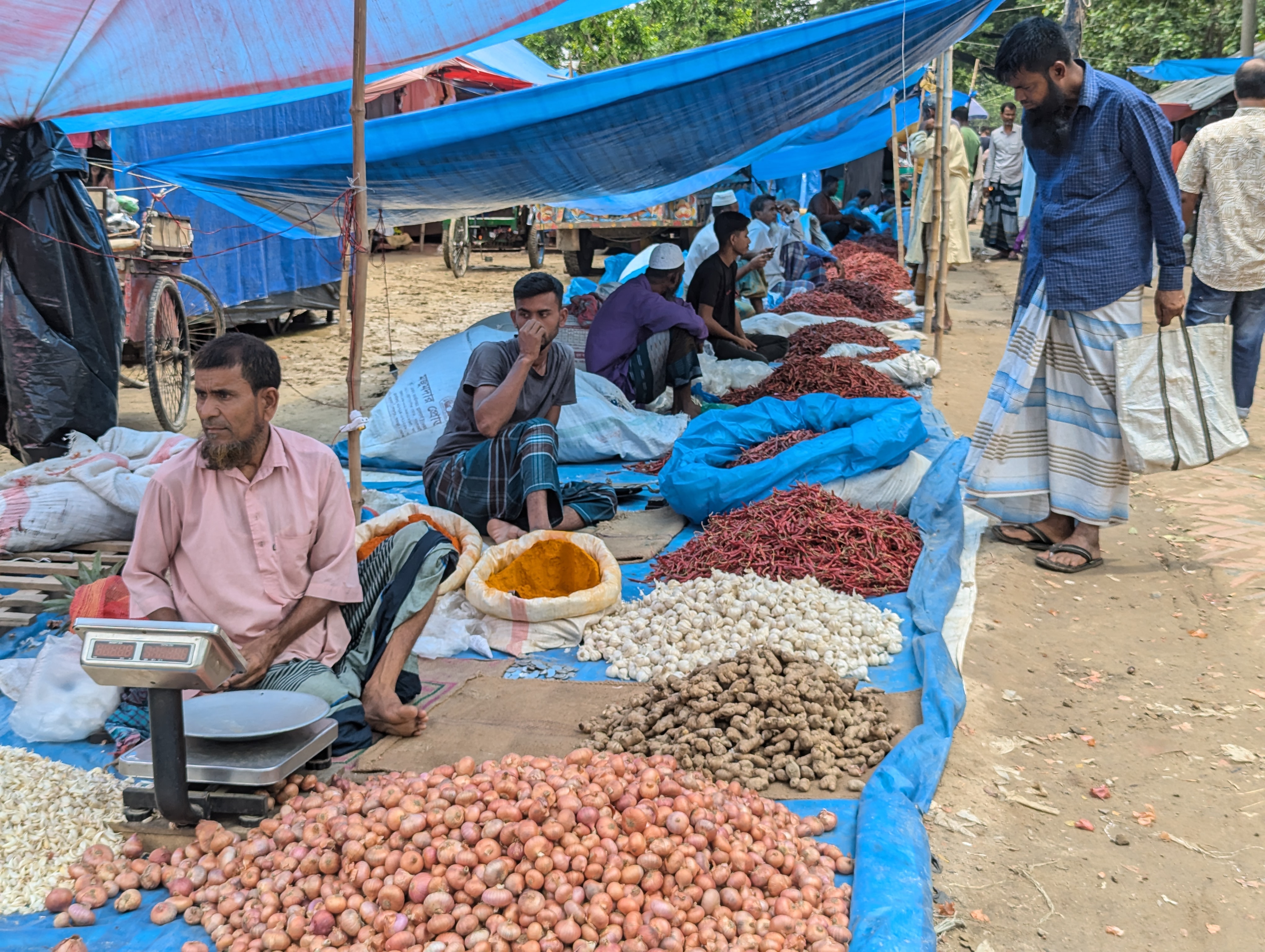
Photo: Hopeoflight / Wikimedia Commons (CC BY-SA 4.0). The top picture shows a street vegetable market at Mirpur 1 in Dhaka, as background.
Sources: Jagonews24 (6 March 2026), Prothom Alo (16, 17, 18, 19, 23, 27 and 28 February, 3 and 4 March 2026), The Daily Star (4 and 26 January, 9, 19, 20, 21 and 27 February 2026), Dhaka Tribune (2, 13 and 27 January, 3, 6, 8, 19 and 20 February 2026), USDA Foreign Agricultural Service (Oilseeds and Products Annual, 18 March 2025), Banglapedia, Wikipedia.
Comments
(0)