
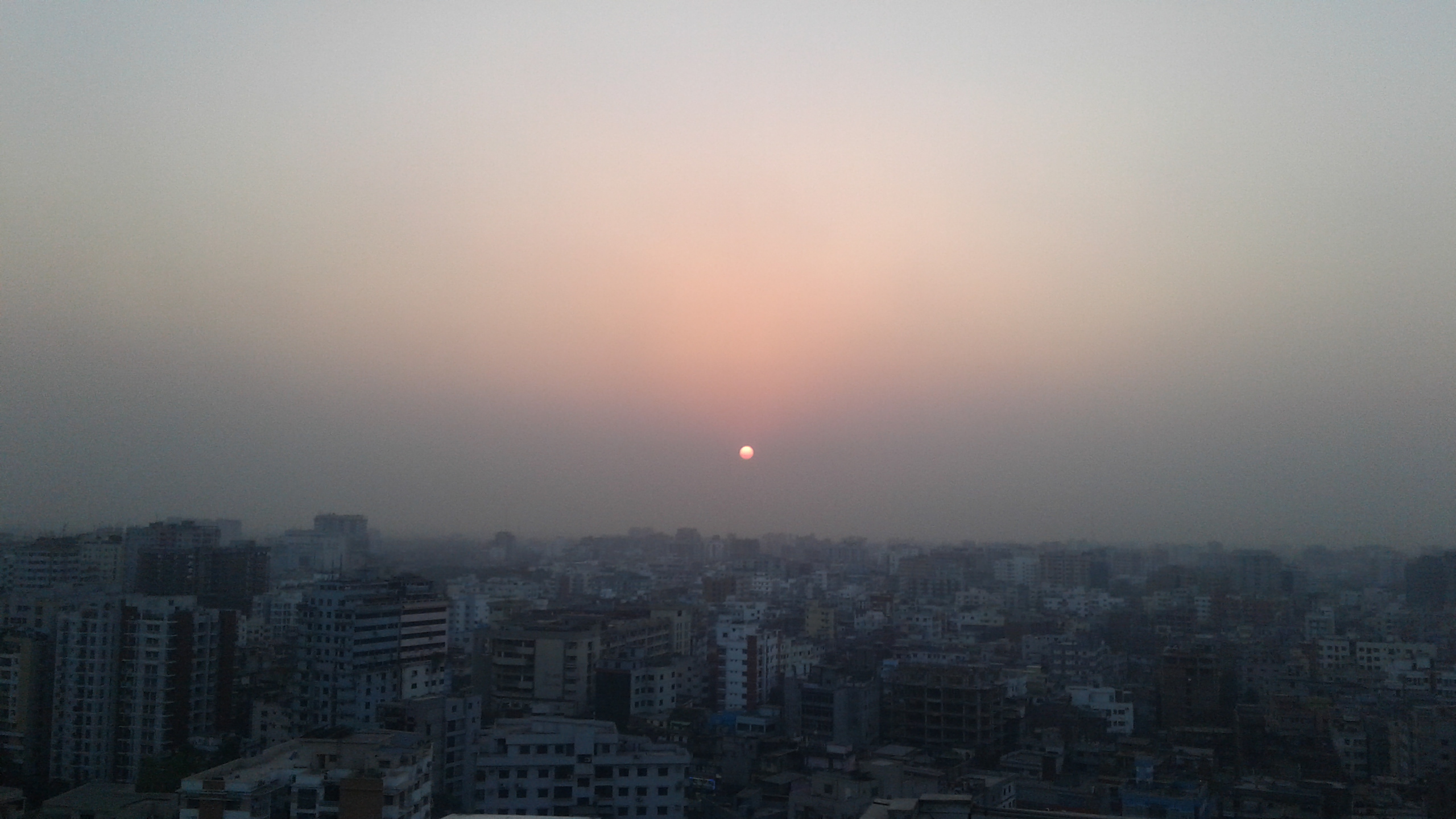
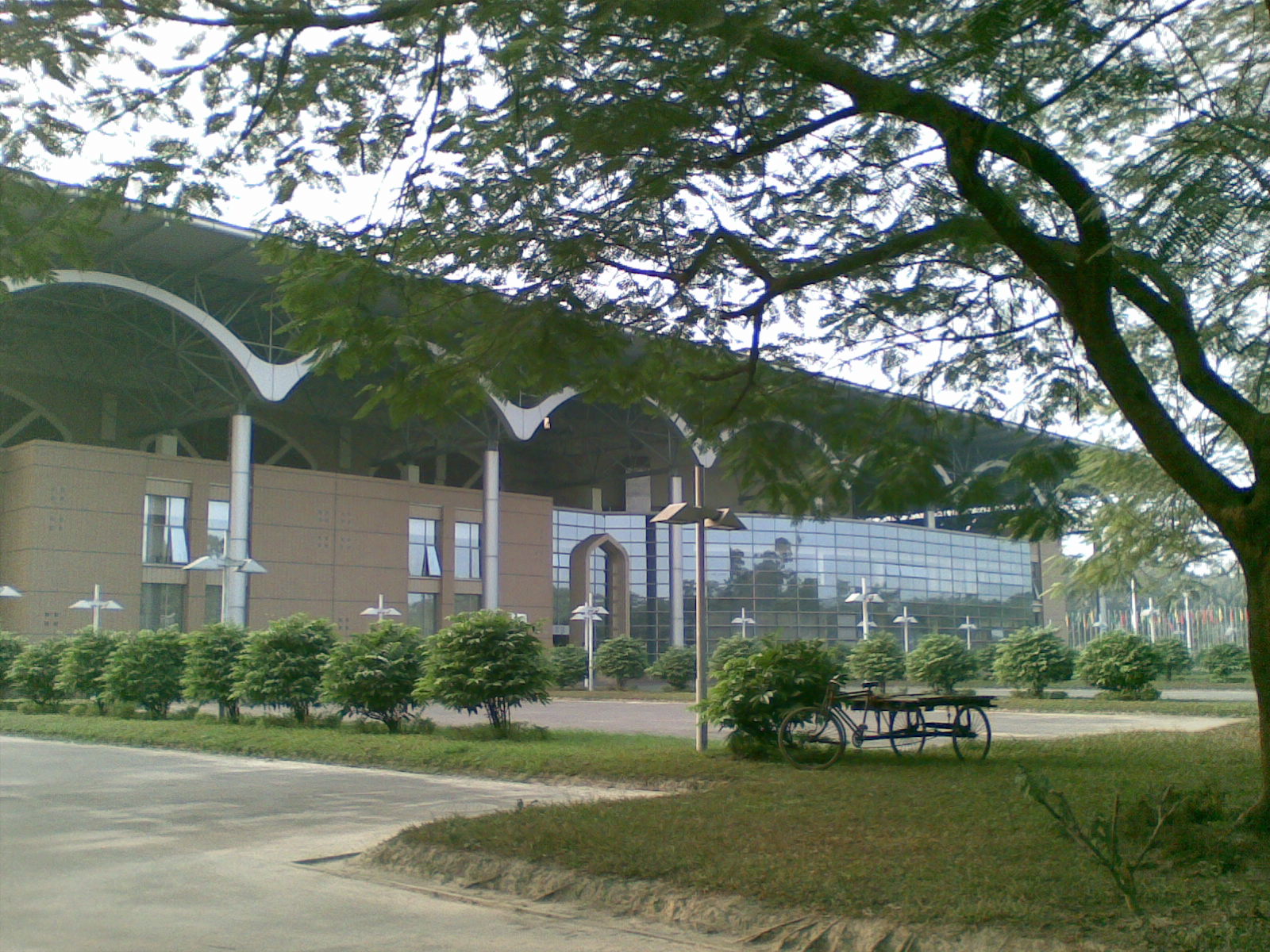
Prime Minister Tarique Rahman said Dhaka must be built into a liveable city. He was speaking on Thursday 9 July 2026 at the Bangladesh-China Friendship Conference Centre in Dhaka, where he opened World Environment Day and the Environment Fair 2026 together with the National Tree Plantation Campaign and Tree Fair 2026. He also called for greater public awareness of the environment and of which trees suit which places. The theme this year was "Let's Beautify the Country through Tree Plantation; Bangladesh First".
Third on the list of least liveable cities
According to Jagonews24 and the Daily Ittefaq, the Prime Minister said Dhaka now ranks third on the list of the world's least liveable cities and that getting out of that position is very urgent. For a civilised country, he said, the way factories are being set up anywhere and everywhere is not acceptable. Bangla Tribune reported that he said the matter could not be taken lightly, and that everyone must act responsibly in their own position to keep the environment free of pollution.
The list he referred to is the Global Liveability Index 2026 of the Economist Intelligence Unit (EIU), the research and analysis division of the UK-based Economist Group. The Financial Express reported on 7 July that Dhaka was placed 171st of 173 cities, ahead only of Damascus in Syria and Tripoli in Libya. Dhaka scored 42 out of 100, unchanged from the previous year. The index rates cities on stability, healthcare, culture and environment, education and infrastructure; Dhaka's lowest score was for infrastructure, at 27, and it scored 41 for culture and environment.
A target of 25 crore trees in five years
Most people in the country are not aware enough of the environment, the Prime Minister said, so that awareness has to be built. He restated the pledge made before the election to plant 25 crore (250 million) trees in five years.
Prothom Alo and the state news agency BSS reported that the five-year master plan will monitor planting with GIS, remote sensing, drones and a national tree database, and aims to create about 350,000 new jobs and 10,000 nursery entrepreneurs. Alongside a month-long fair in Dhaka with 120 stalls, tree fairs were to run for 15 days in 7 divisional cities, 7 days in 56 district towns and 3 days in 29 upazilas. After the ceremony the Prime Minister planted saplings of olive, jarul and neem on the conference centre grounds.
Why eucalyptus is discouraged
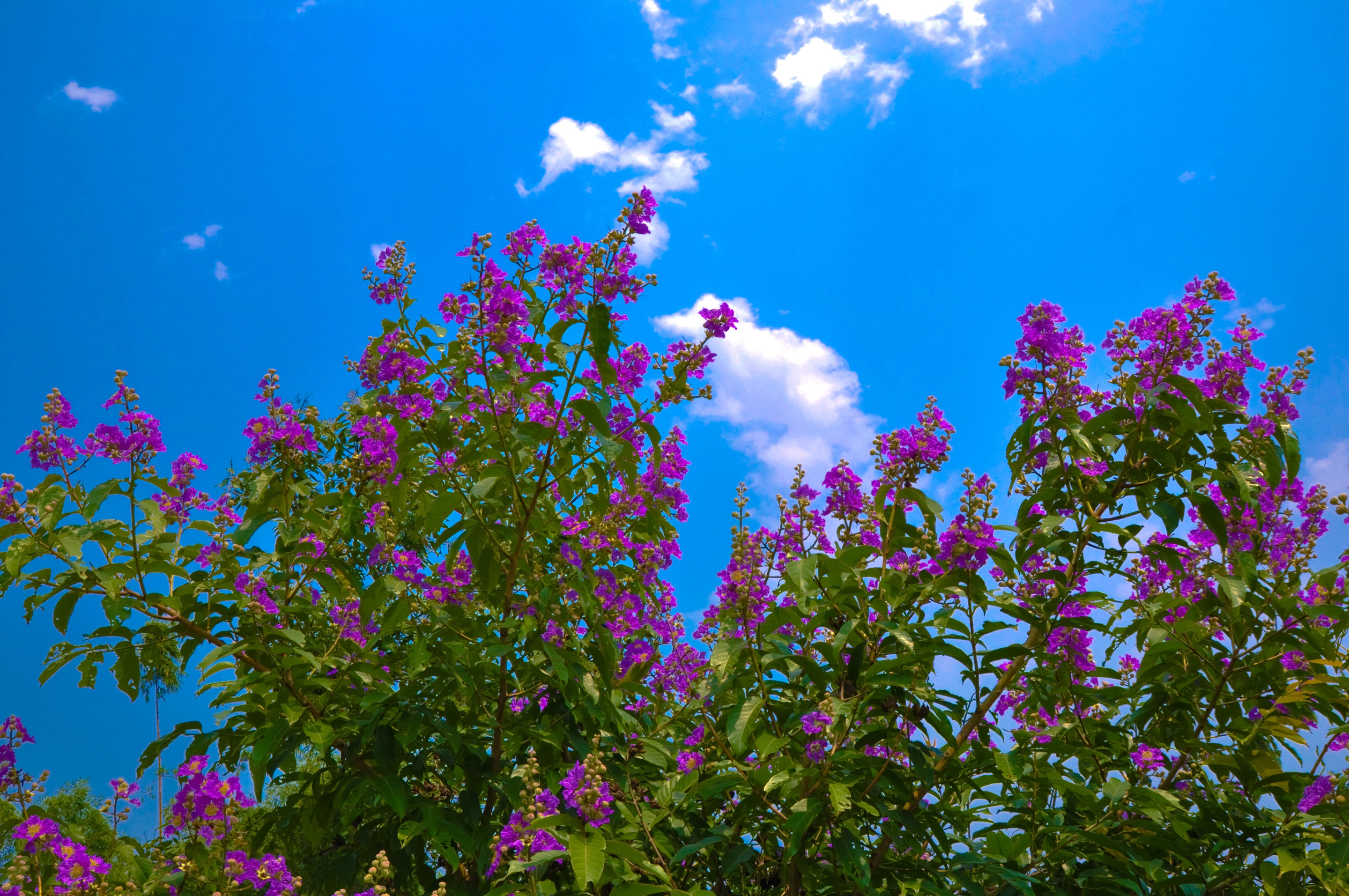
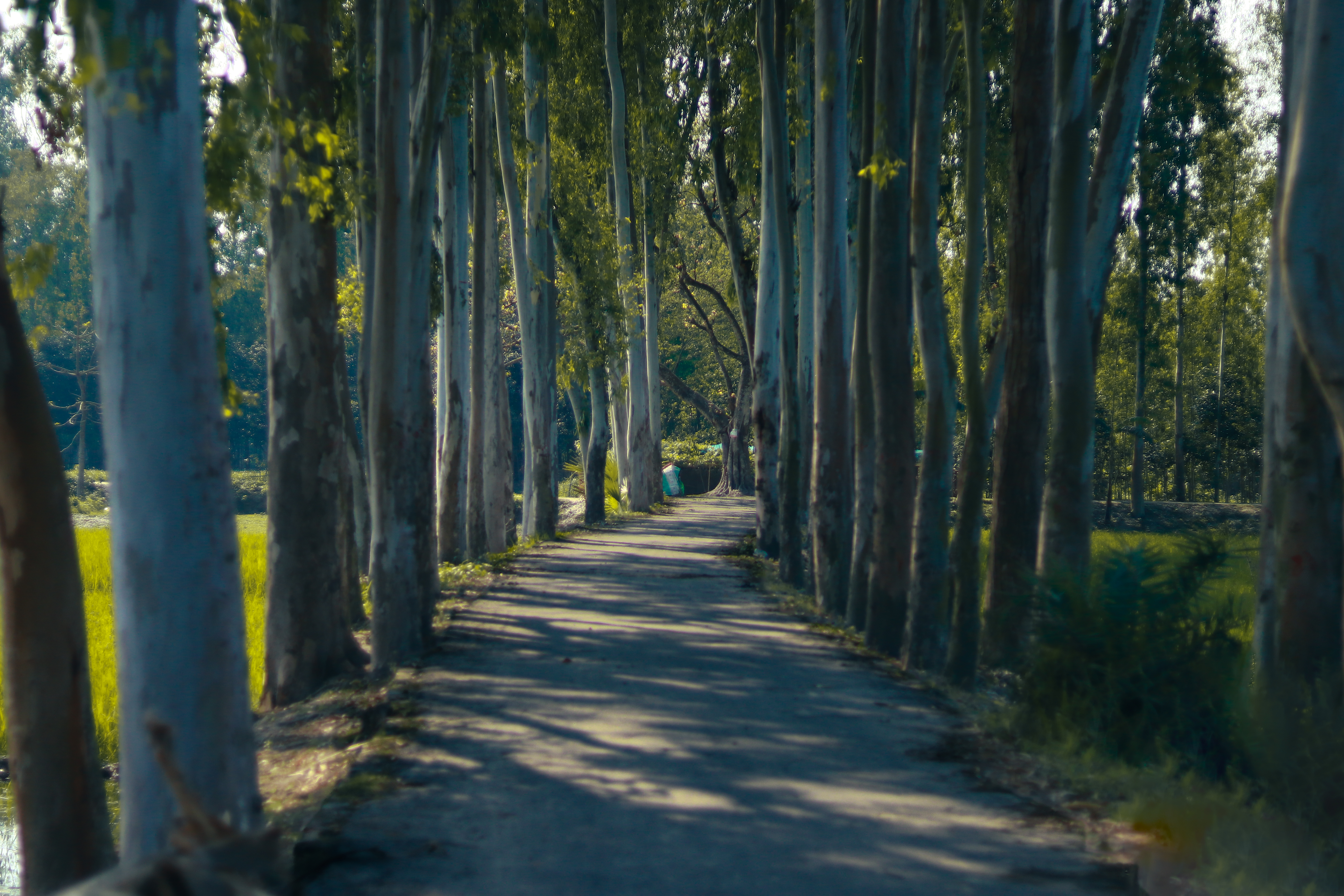
Everyone should know which trees belong in which environment, the Prime Minister said, and he urged people not to plant harmful trees such as eucalyptus. In May 2025 the Forest-1 Wing of the Ministry of Environment, Forest and Climate Change had already banned the planting, raising and sale of eucalyptus and akashmoni (acacia) saplings. As the Financial Express reported at the time, the ministry said these invasive species draw up too much groundwater, that toxins in their fallen leaves leave the soil unfit for other plants, and that native plants, insects and birds find neither shelter nor food in them. It told planters to use native fruit, timber and medicinal trees instead.
Environment and tree plantation awards
At the event the Prime Minister handed out the National Environment Award 2025, the National Wildlife Conservation Award 2026 and the National Tree Plantation Award 2025, and gave profit-share cheques to social forestry beneficiaries. Three individuals and three organisations received the National Environment Award for special contributions to protecting the environment, and 21 people in seven categories received the national tree plantation award.
Photo: Mashkawat.ahsan / Wikimedia Commons (CC BY-SA 4.0)
Sources: Jagonews24, The Daily Ittefaq, Bangla Tribune, Prothom Alo, Bangladesh Sangbad Sangstha (BSS), The Business Standard, The Financial Express
Comments
(0)