
Researchers at the International Food Policy Research Institute (IFPRI) and the Shakti Foundation for Disadvantaged Women are developing a loan product to help Dhaka's food vendors cope with extreme heat, IFPRI's Kate Ambler wrote on the CGIAR site.
The loan will let vendors finance refrigerators, cooling boxes and batteries to power their carts. Repayments are tied to a parametric heat index: when heat passes a set level, borrowers can defer payments. The idea is to protect vendors' businesses and incomes during heatwaves while reducing the risk to the lender.
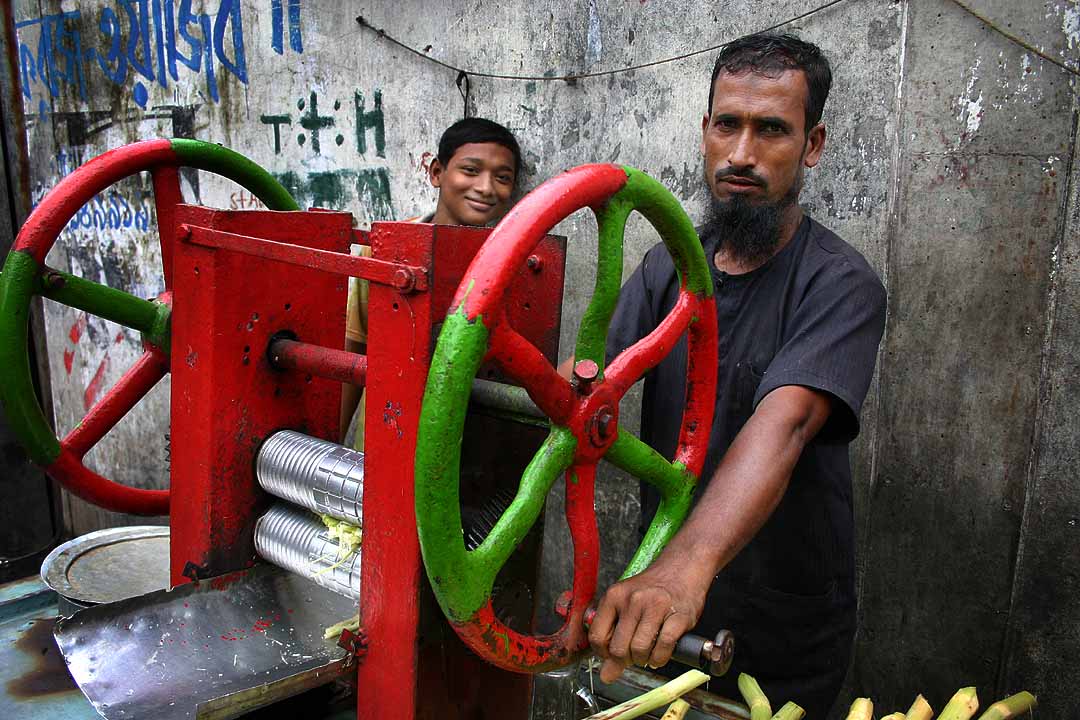
Ambler describes visiting vendors in Dhaka as part of market research into their businesses and their demand for financial products, on a day of about 35 degrees Celsius. Many vendors have little more than an umbrella or a tarp for shade, or push loaded vegetable carts through the streets with no protection at all. Perishable food can sit out all day with no way to keep it hot or cold, which she calls a public health threat.
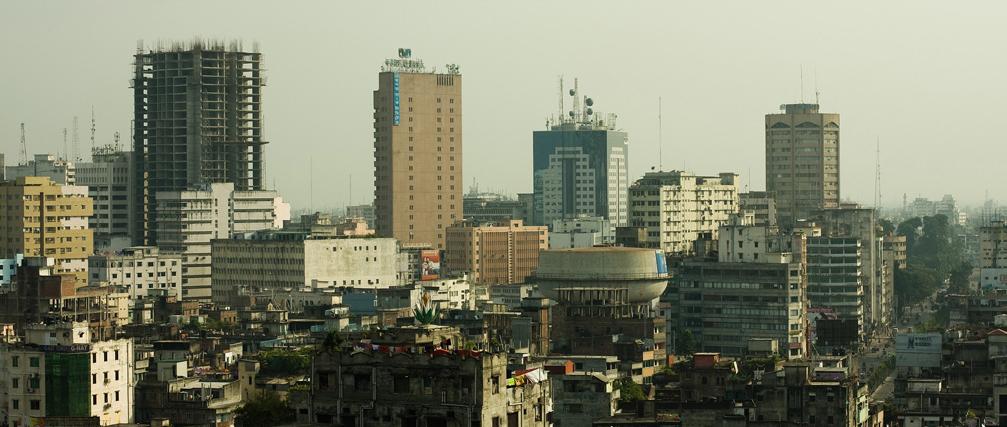
Heatwaves can push temperatures above 40 degrees with high humidity, and there are few resources to respond to heat emergencies. Ambler writes that Dhaka has one of the largest populations exposed to extreme heat in the world, including many vulnerable informal workers, and that rising average temperatures will make conditions worse.
The project, with IFPRI colleagues Mehrab Bakhtiar and Carly Trachtman, is among the first wave of grants from the ClimateWorks Foundation's Adaptation and Resilience Fund for solutions to extreme heat in cities. It will test whether flexible financial products can help vulnerable workers protect their livelihoods.
For the city's food supply, cold storage on a vendor's cart means less spoiled produce and safer food for buyers on the hottest days.
Photo: Steve Evans / Wikimedia Commons (CC BY 2.0)
Source: CGIAR

Comments
(0)