
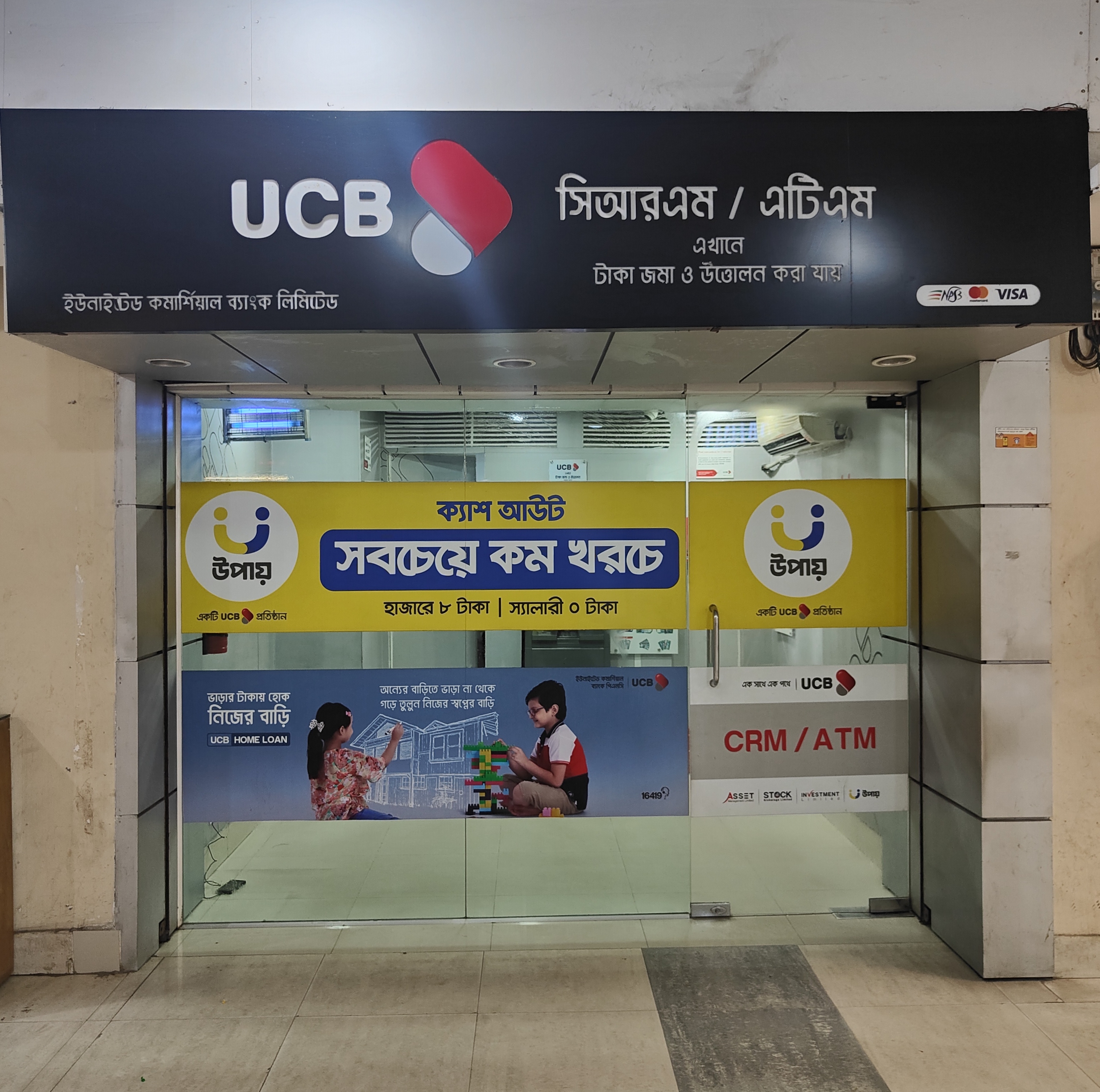
Customers crowded bank branches and ATM booths in Dhaka on Wednesday, 4 June 2025, to withdraw cash on the last working day before a 10-day Eid-ul-Azha holiday. Eid-ul-Azha, whose central ritual is qurbani, the sacrifice of animals, was to be celebrated on 7 June. Cattle had already started arriving at the animal markets, and normal banking was about to stop until the middle of June, so people queued from the morning to take out money, Jagonews24 reported after visiting different parts of the capital that day.
The holiday was to begin the next day, Thursday 5 June, and end on 14 June. According to the report, customers were present in noticeable numbers from the morning at almost every branch and at the banks' ATM booths. People involved in running the booths said enough cash had been loaded into them and customers were not facing any problems.
A busy last day at the branches
From the morning, pressure at the branches had risen because of Eid. Some customers were withdrawing money in advance, while others were breaking into their savings. Most banks had widened their services beforehand to cope with the extra pressure, the Jagonews24 report said.
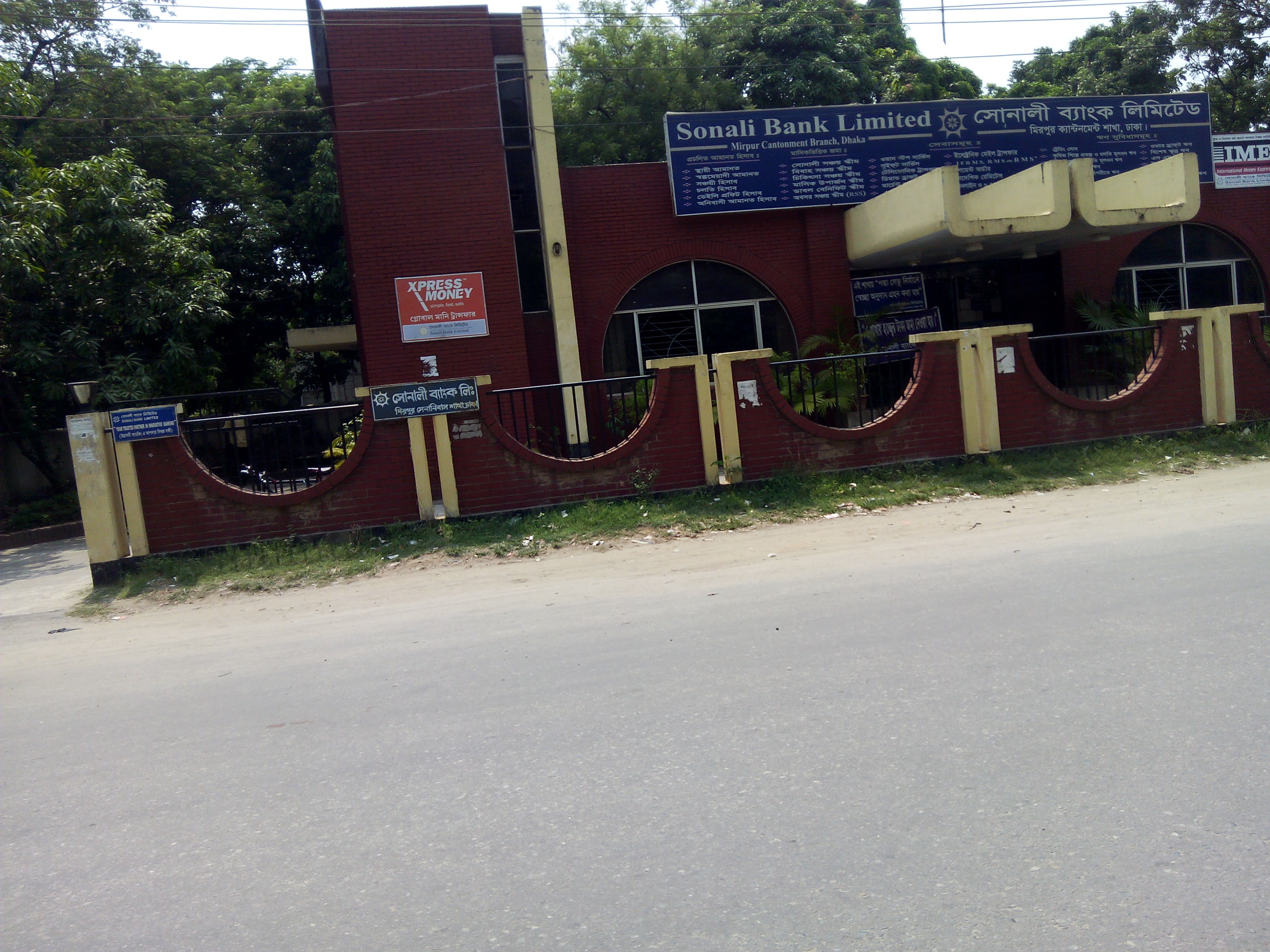
Parvez, an official of Sonali Bank, told the paper that everyone needs money at festival time. Some need it for shopping, some to buy a qurbani animal at the cattle market, some to travel to their village homes, and many to pay the salaries and allowances of their own businesses. He said the bank had gone about its work expecting customer numbers to rise on the last working day; because it had prepared in advance, customers had not faced any trouble.
Mahbub, an official of Agrani Bank, said that every year customers withdraw more money on the last working day before Eid. Because withdrawals run higher than deposits, the bank also prepares in advance, he said. Customers had been coming since the morning, and the bank was trying to give them the best possible service.
The Daily Star's Bengali edition, reporting from the capital the same day, found long queues at the cash counters of branches in Motijheel and Paltan in the morning. Bank officials told the paper that transactions on that Wednesday were 25 percent higher than on a normal working day. ATM booths and digital banking were available, yet many people came to the branches to draw cash in person. One customer waiting at state-owned Sonali Bank's Motijheel branch told the paper that he would need a lot of money to buy a cow, so he had come to the branch instead of using an ATM booth.
Not every bank was equally placed. The managing director and chief executive of Mutual Trust Bank told The Daily Star that there was no overall shortage of liquidity or cash in the banking sector, but that some banks were short of cash because of their weak financial condition and other reasons.
Ten days off, with a few branches open
The long break followed a government decision. As Prothom Alo reported on 17 May 2025, the government decided on 6 May to declare Wednesday 11 June and Thursday 12 June public holidays by executive order and, in exchange, to keep offices open on two Saturdays, 17 and 24 May. The Eid holiday had originally been six days, from 5 to 10 June; with 11 and 12 June and the weekly holidays that follow, government employees received ten days off in a row, from 5 to 14 June. The public administration ministry's notice said Bangladesh Bank would give the necessary instructions on keeping banking services running, and Bangladesh Bank and the Dhaka Stock Exchange said separately that banks and the share market would also open on the two Saturdays.
The Dhaka Stock Exchange said in a disclosure on 12 May that, in line with the government decision, it would remain closed from 5 to 14 June and resume trading on 15 June, The Business Standard reported. The exchange had been closed for nine days over the Eid-ul-Fitr holiday at the end of March and the start of April.
Bangladesh Bank did not shut the banking system completely. On 25 May its Department of Off-site Supervision instructed banks, according to Jugantor, to keep some branches open on a limited scale on three of the holiday dates:
- Thursday 5 June: to help pay the salaries, bonuses and other allowances of workers, employees and officers in the ready-made garment industry, bank branches handling garment-industry transactions in the industrial areas of Dhaka city, Ashulia, Tongi, Gazipur, Savar, Bhaluka, Narayanganj and Chattogram were to open, with transactions from 10am to 2pm and the branches open until 4pm.
- Wednesday 11 June and Thursday 12 June: authorised dealer branches in Dhaka, Chattogram and other important commercial areas were to open on the same hours, so that import- and export-oriented industries and customers could carry out important and foreign-exchange transactions.
- Officials and staff on duty on those days were to receive allowances under the rules; the instruction was issued in the public interest under section 45 of the Bank Company Act, 1991.
For most customers, then, 4 June really was the last chance to use a branch before 15 June, which is why the Jagonews24 report called it the last day of normal transactions.
Eid-ul-Azha on Saturday, 7 June
The date of the festival had been fixed a week earlier. The National Moon Sighting Committee met at the Baitul Mukarram national mosque on the evening of Wednesday 28 May 2025 and, after reviewing reports from the district administrations, the Islamic Foundation's offices, the Bangladesh Meteorological Department and the Space Research and Remote Sensing Organization (SPARRSO), announced that the moon of Zilhajj had been sighted. The month of Zilhajj 1446 AH would therefore begin on 29 May, and Eid-ul-Azha, which falls on the 10th of Zilhajj, would be celebrated on Saturday 7 June 2025, Prothom Alo reported. In Saudi Arabia the moon had been sighted a day earlier, so Eid was set for Friday 6 June there, with the Hajj on 5 June.
Eid-ul-Azha is one of the two main religious festivals of Muslims, and in Bangladesh it is popularly called the qurbani Eid. Banglapedia describes it as commemorating the readiness of the Prophet Ibrahim (Abraham) to sacrifice his son Ismail at Allah's command, after which an animal was sacrificed in the son's place. Following that example, Muslims sacrifice animals on the day of the festival; the sacrifice may also be offered on the following day or two.
In Bangladesh, cows, goats and buffaloes are usually sacrificed, and some people import camels for the purpose. A camel, cow or buffalo can be sacrificed on behalf of seven people, while a goat or sheep counts for one person only. By custom, one third of the meat is kept by the family, one third goes to relatives and one third is distributed among the poor. People buy new clothes, visit neighbours and relatives, and many travel to their village homes to celebrate with their families, which is why the government declares several days of holiday.
Cash for the cattle markets
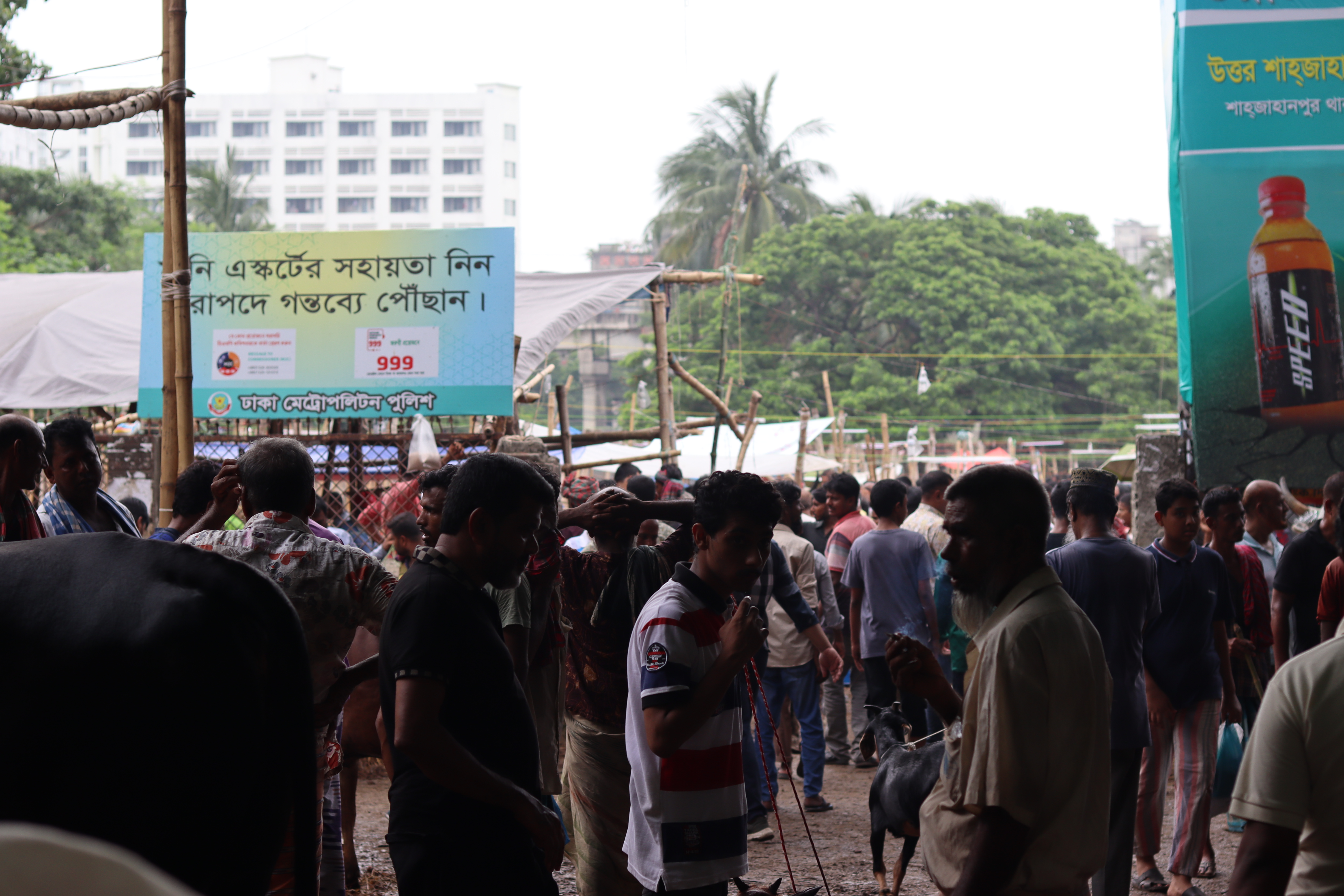
Buying a sacrificial animal was the main reason for the withdrawals, and the scale of the market explains the size of the cash demand. At a news conference on 4 May 2025, the Ministry of Fisheries and Livestock said 1,24,47,337 animals were available for qurbani that year: 56,02,905 cattle and buffaloes, 68,38,920 goats and sheep, and 5,512 animals of other species. The ministry said more than 20,68,000 animals could be left over after Eid, and that no animals would be imported for the festival because supply exceeded demand, Prothom Alo reported.
The ministry also said special trains would carry animals from the northern districts through Dhaka to Chattogram, and that 20 veterinary medical teams and 2 specialist teams would give first aid to animals at the 19 cattle markets under Dhaka's two city corporations.
Figures from the Department of Livestock Services, reported by Prothom Alo on the morning of 4 June, show how the market had been changing. On average, a little over 54 lakh cattle and buffaloes were sacrificed each year in 2018, 2019 and 2020, against an average of 47,33,000 a year in 2022, 2023 and 2024, a fall of 14 percent. The total of all animals sacrificed averaged 1,02,11,000 a year in the first period and 1,01,35,000 in the second. According to the ministry, about 21 lakh animals had been left over in 2023 and nearly 23 lakh in 2024.
Prices had been rising. By the Department of Agricultural Marketing's figures, the national average retail price of beef was Tk 430 a kilogram in 2018 and Tk 724 in 2023, and beef was selling at Tk 750 to 800 a kilogram in early June 2025 by the reckoning of the department and the Trading Corporation of Bangladesh. At Dhaka's Gabtoli cattle market on Tuesday 3 June, small cows that would yield about two maunds of meat sold for around Tk 80,000. An economics professor at the University of Dhaka told Prothom Alo that inflation had been high in 2022, 2023 and 2024 while cattle prices had also risen, putting qurbani beyond the means of many people.
Large cash payments at crowded markets were one of the central bank's concerns. Bangladesh Bank's executive director and spokesperson told The Daily Star on 4 June that the bank was encouraging digital transactions and discouraging the use of cash at the cattle markets.
What Bangladesh Bank told the banks
Ahead of the holiday, the central bank had issued instructions to keep cash and payment services running while branches were closed. In a circular sent on Thursday 29 May 2025 to the senior executives of all scheduled banks, Bangladesh Bank's Payment Systems Department told banks to keep sufficient cash stocked in their ATM booths throughout the Eid-ul-Azha holidays, the Dhaka Tribune reported on 30 May. The main points were:
- ATM booths must remain in operation round the clock, any technical fault must be fixed promptly, an adequate cash supply must be ensured, and 24-hour security, including security guards, must be maintained.
- Point-of-sale (POS) services must run 24 hours a day, and banks must make merchants and customers aware of how to avoid fraud.
- On e-payment gateways, two-factor authentication must continue for card transactions in which the card is not physically presented.
- All banks and their mobile financial service (MFS) partners must keep transactions flowing smoothly.
- Customers must receive an SMS alert for every transaction, whatever the amount, during the holidays.
- Banks must run public awareness campaigns on electronic payment safety, keep a 24-hour customer helpline and follow all earlier guidelines.
The instructions echoed those issued before the nine-day Eid-ul-Fitr holiday in March and April 2025, when Bangladesh Bank had also told banks to supply enough cash to ATM booths and to keep POS terminals, e-payment gateways and mobile financial services running without interruption, Prothom Alo reported on 29 March.
ATMs, cards and mobile money
The size of the network the instructions covered was set out by Prothom Alo before the Eid-ul-Fitr holiday. Banks then had 12,946 ATM booths and 7,012 cash recycling machines (CRMs), which take deposits as well as paying out cash, and there were 1,25,569 POS terminals. Banks had issued 4 crore 94 lakh debit cards and 75 lakh prepaid cards, although many customers hold cards from more than one bank. Private banks had made it compulsory to take an ATM card along with a cheque book when opening an account, so all new customers had one, and most banks were installing CRMs instead of ordinary ATMs.
Internet banking had 1 crore 15 lakh users, and transactions through it exceeded Tk 1 lakh crore in January 2025. Apps such as Islami Bank's CellFin, Dutch-Bangla Bank's NexusPay, BRAC Bank's Astha and The City Bank's Citytouch let a customer of one bank send money instantly to a customer of another. Mobile financial services such as bKash, Nagad and Rocket, with their agent networks, stay open during holidays for cash-in and cash-out.
Before that Eid, Bangladesh Bank had also raised the limits for MFS customers, Bangla Tribune reported on 31 March 2025:
- Cash-in: from Tk 30,000 to Tk 50,000 a day, and from Tk 2 lakh to Tk 3 lakh a month.
- Cash-out: from Tk 25,000 to Tk 30,000 a day, and from Tk 1.5 lakh to Tk 2 lakh a month.
- Sending money: from Tk 25,000 to Tk 50,000 a day, and from Tk 2 lakh to Tk 3 lakh a month.
- Maximum balance in an account: from Tk 3 lakh to Tk 5 lakh.
Lessons from the Eid-ul-Fitr holiday
The Eid-ul-Fitr break two months earlier had shown why people preferred to draw cash before the banks closed. Despite the central bank's instructions, many ATM booths in Dhaka and in the districts were out of action for long periods during the nine-day holiday, some because they had run out of cash and some because of technical faults, Prothom Alo reported on 6 April 2025. Some banks whose booths were working blocked withdrawals with other banks' cards, and some did not allow more than Tk 5,000 at a time. In the northern district of Dinajpur, the paper found only one booth working when it checked the booths of 14 banks in the town on a Friday.
Bank officials explained the reason to the paper. A booth can hold between Tk 20 lakh and Tk 80 lakh. Booths close to a branch are refilled by the branch's own officers, while booths far from branches are refilled by third-party companies. During a long holiday most officers are on leave, so once a booth's cash runs out it may not be refilled until the branch reopens. CRMs, which normally recycle deposited cash, also have to be loaded like ATMs at Eid, because almost everyone is withdrawing.
Bangla Tribune reported on 31 March 2025 that Dutch-Bangla Bank, which runs the largest number of ATM booths in the country, kept its "Fast Track" booths, which are open to customers of other banks, running up to the day before Eid under round-the-clock monitoring, and that its booths were refilled through a third party, with cash supply to be suspended only on Eid day itself.
New notes and remittances before Eid
Cash demand before Eid also includes fresh banknotes, which many people give as gifts. Bangladesh Bank released redesigned Tk 20, Tk 50 and Tk 1,000 notes from 1 June 2025, first at its Motijheel office and then through selected branches of commercial banks in Dhaka, The Daily Star reported on 29 May. The notes are printed on 100 percent cotton paper with a Royal Bengal Tiger watermark. The Tk 20 note, in green, shows the Kantaji Temple and the Paharpur monastery; the Tk 50 note, in dark brown, shows Ahsan Manzil and Zainul Abedin's painting Sangram; and the Tk 1,000 note, in purple, shows the National Memorial and the Jatiya Sangsad Bhaban. The Tk 1,000 note alone carries 10 security features, and a central bank official said printing of the redesigned Tk 5, Tk 10, Tk 100, Tk 200 and Tk 500 notes was expected to begin after Eid.
On 4 June many customers also came to the branches for the new notes, but not all of them could get any because supply was limited, The Daily Star's Bengali edition reported. A senior official of Rupali Bank's corporate branch told the paper that people preparing to go home for Eid and to buy qurbani animals were collecting new notes, but the branch could not meet the demand.
Money from Bangladeshis working abroad was flowing in at the same time. Expatriates sent $2.97 billion in remittances in May 2025, 31.7 percent more than the $2.25 billion of May 2024, according to Bangladesh Bank data reported by Prothom Alo on 1 June. Remittance inflows in the first eleven months of the 2024-25 fiscal year, July to May, were 28.7 percent higher than a year earlier. In March, during Ramadan, expatriates had sent $3.29 billion, and $2.75 billion in April. Bankers said expatriates usually send more money before Eid-ul-Azha, as they do before Eid-ul-Fitr, and expected good inflows in the first week of June as well. Banks were buying remittance dollars within the central bank's ceiling of Tk 123, while the dollar sold at Tk 125 on the kerb market.
The banks in the report
Sonali Bank, whose official spoke to Jagonews24, is the largest state-owned commercial bank in Bangladesh, according to Banglapedia. It was formed by taking over the branches of the National Bank of Pakistan, the Bank of Bahawalpur and the Premier Bank that had operated in East Pakistan until 1971, and was nationalised under the Bangladesh Banks (Nationalisation) Order 1972. It became a public limited company wholly owned by the government, Sonali Bank Limited, from 15 November 2007. Its head office is in Motijheel, Dhaka's main commercial district, and besides ordinary banking it acts as Bangladesh Bank's agent for treasury functions, collects taxes, stamp duty and registration fees, and pays the salaries of school, madrasa and college teachers and the pensions of retired government employees.
Agrani Bank, the other bank quoted in the report, also emerged as a nationalised commercial bank under the 1972 order, taking over the former Habib Bank Limited and Commerce Bank Limited. It was incorporated as a state-owned commercial bank on 17 May 2007 under the Companies Act 1994, and took over the business of the old Agrani Bank through an agreement of 15 November 2007, Banglapedia says.
Bangladesh Bank, the central bank that issued the holiday instructions, was established under the Bangladesh Bank Order, 1972, with effect from 16 December 1971. Its head office is also in Motijheel. It is the country's sole issuer of banknotes, supervises the scheduled banks and acts as banker to the government, which is why the new notes were first released from its Motijheel office.
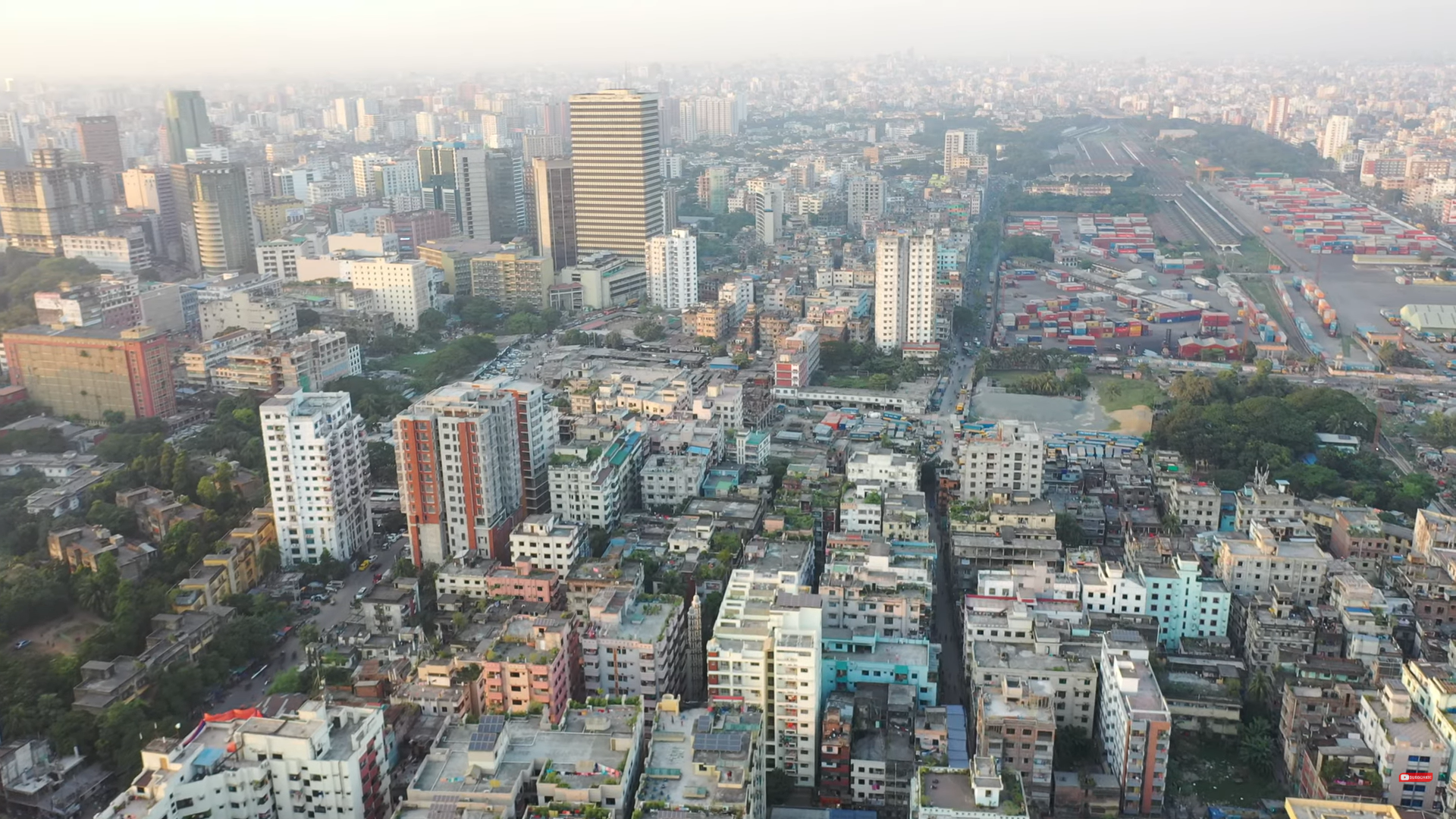
Photo: M.parvage / Wikimedia Commons (CC0). The top picture shows a bank's ATM booth, as background.
Sources: Jagonews24 (4 June 2025), The Daily Star Bangla (4 June 2025), The Daily Star (29 May 2025), Dhaka Tribune (30 May 2025), Prothom Alo (29 March, 6 April, 4 May, 17 May, 28 May, 1 June and 4 June 2025), Jugantor (25 May 2025), The Business Standard (12 May 2025), Bangla Tribune (31 March 2025), Banglapedia

Comments
(0)