
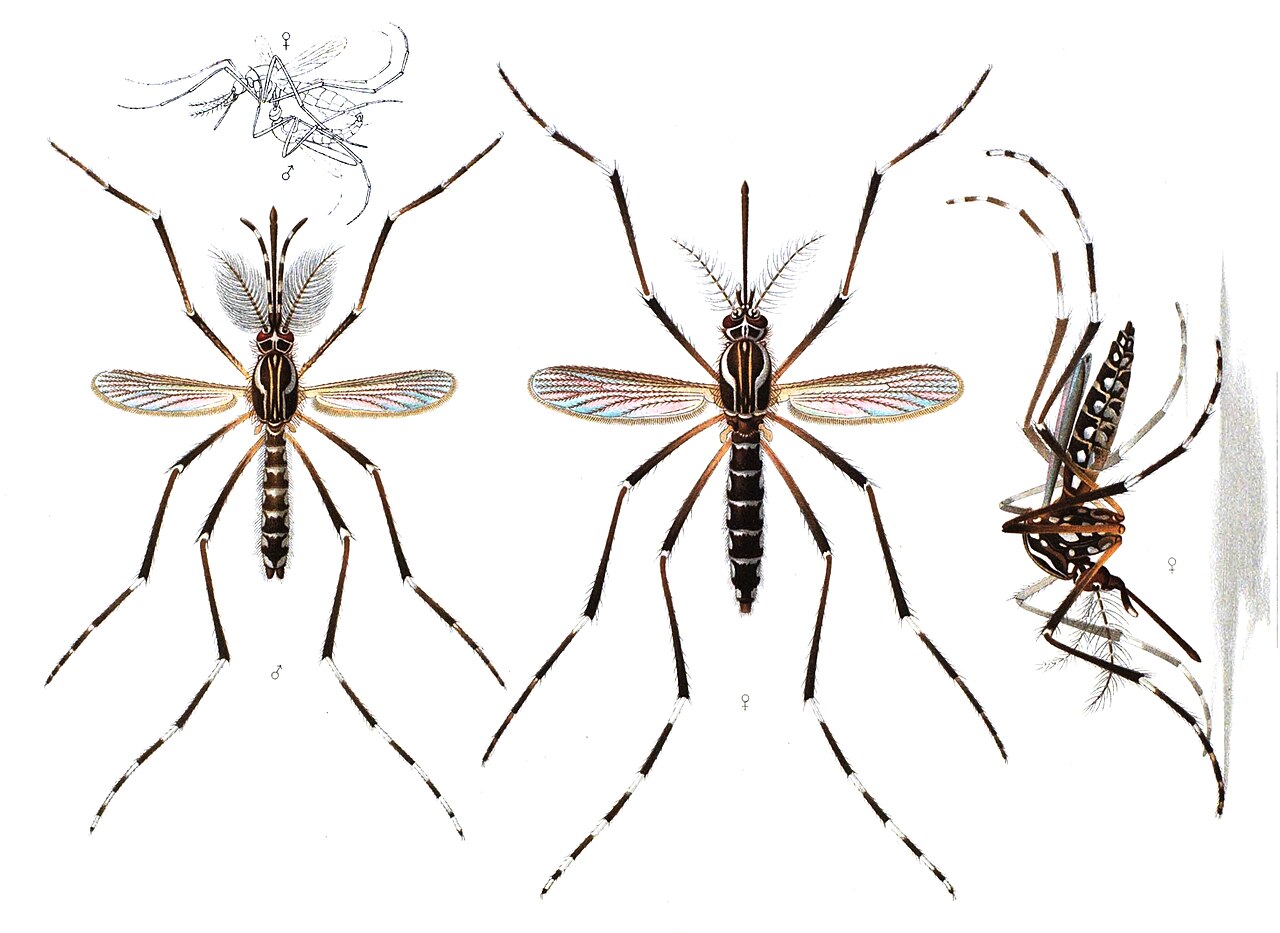
A dengue fever that breaks is not a sign of recovery; the fever-free days can be the most dangerous, Dr Mohammad Nurullah, associate professor and paediatric gastroenterologist at Dinajpur Medical College, writes in Prothom Alo. Neglect and ignorance in that phase, he says, are the main reasons people die of dengue.
During the 2019 outbreak he worked at Kurmitola General Hospital. The 70-bed children's ward then held 240 to 250 patients at a time, he writes, yet only one child died there.
He explains that what sets dengue apart from other viral fevers is plasma leaking out of the blood vessels. The organs then do not get enough blood and the patient can go into shock. Timely diagnosis, fluids and rest are the core of treatment, and a doctor should judge how severe the illness is.
His advice: even if a fever goes away, have at least one complete blood count (CBC), and an NS1 antigen test 24 hours after the fever starts. Many people look first at the platelet count and take papaya leaf juice or capsules, or even get platelet transfusions; in his experience these patients often end up with complications, and blood or blood products should not be given unless truly needed.
Watch the total white blood cell count instead, he writes. When it falls below 5,000 per cubic millimetre, the risk of plasma leakage begins, and the patient needs rest and plenty of fluids. If the white cell count keeps falling and the haematocrit (HCT) rises, the patient is admitted to hospital and given saline; saline should never be given at home.
He ends with a checklist: a CBC and NS1 test on the second day even without fever; with a low white cell count, fluids such as lemon water, glucose water, soup, oral saline, rice water or flattened-rice water (green coconut water or malta are not a must); and no painkiller other than paracetamol, and no antibiotics.
Young children, the elderly, pregnant women and people with diabetes or high blood pressure who catch dengue should be admitted to hospital quickly, he advises, and every patient should rest and stay away from office, school and long journeys.
Photo: Emil August Goeldi / Wikimedia Commons (Public domain)
Source: Prothom Alo

Comments
(0)