
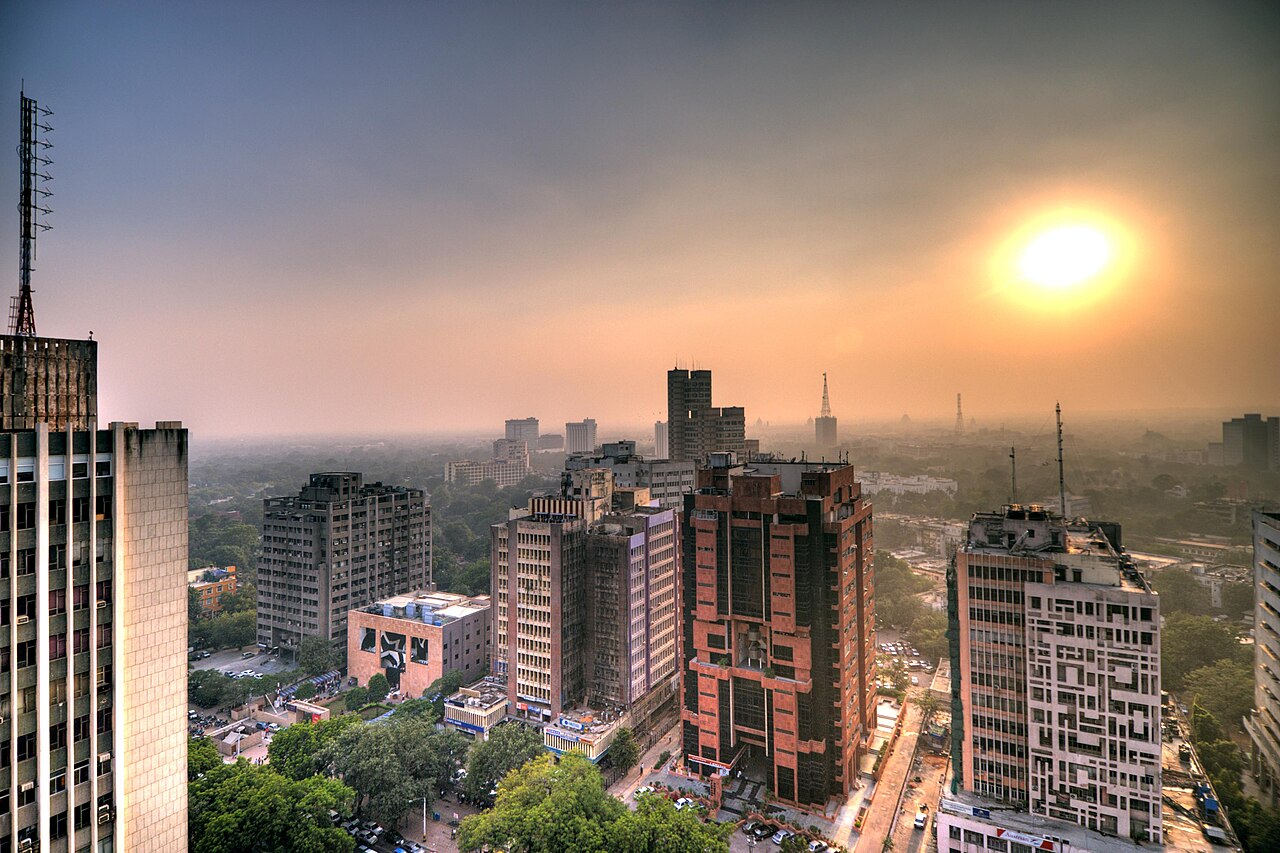
Delhi recorded only one 'Good' air quality day in the 92 days of the monsoon, from June to August 2026, despite 576.9 mm of rain, according to an analysis released on 30 September by the Centre for Science and Environment (CSE) in New Delhi. The one good day was 9 July, when mean rainfall at the Safdarjung and Palam stations reached 67.75 mm; the season's heaviest day, 101.05 mm on 8 August, produced only a 'Satisfactory' reading.
Average PM2.5 fell from 60.2 micrograms per cubic metre in summer (April-May) to 40.2 in the monsoon, a drop of about 33 per cent. Even at the height of the monsoon, daily PM2.5 reached 64.5 and the air quality index peaked at 261, in the 'Poor' category.
Across six isolated monsoon rain events, PM2.5 averaged 40.6 before rain and fell to 32.7 during rain, a reduction of about 19.5 per cent. But it rebounded to 36.2 a day later and to 45.1 after 48 hours, 11.1 per cent above the pre-rain level. CSE says the analysis shows statistical associations and does not separate rain from wind, humidity or changes in emissions.
"Monsoon rains bring temporary relief, they only mask the underlying crisis," said Anumita Roychowdhury, CSE's executive director for research and advocacy, warning that winter will start from a high baseline. She called for year-round action across the National Capital Region to cut emissions at source in every sector rather than relying on rain in the monsoon or emergency bans in winter.
Photo: wili hybrid / Wikimedia Commons (CC BY-SA 3.0)
Source: Down To Earth

Comments
(0)