
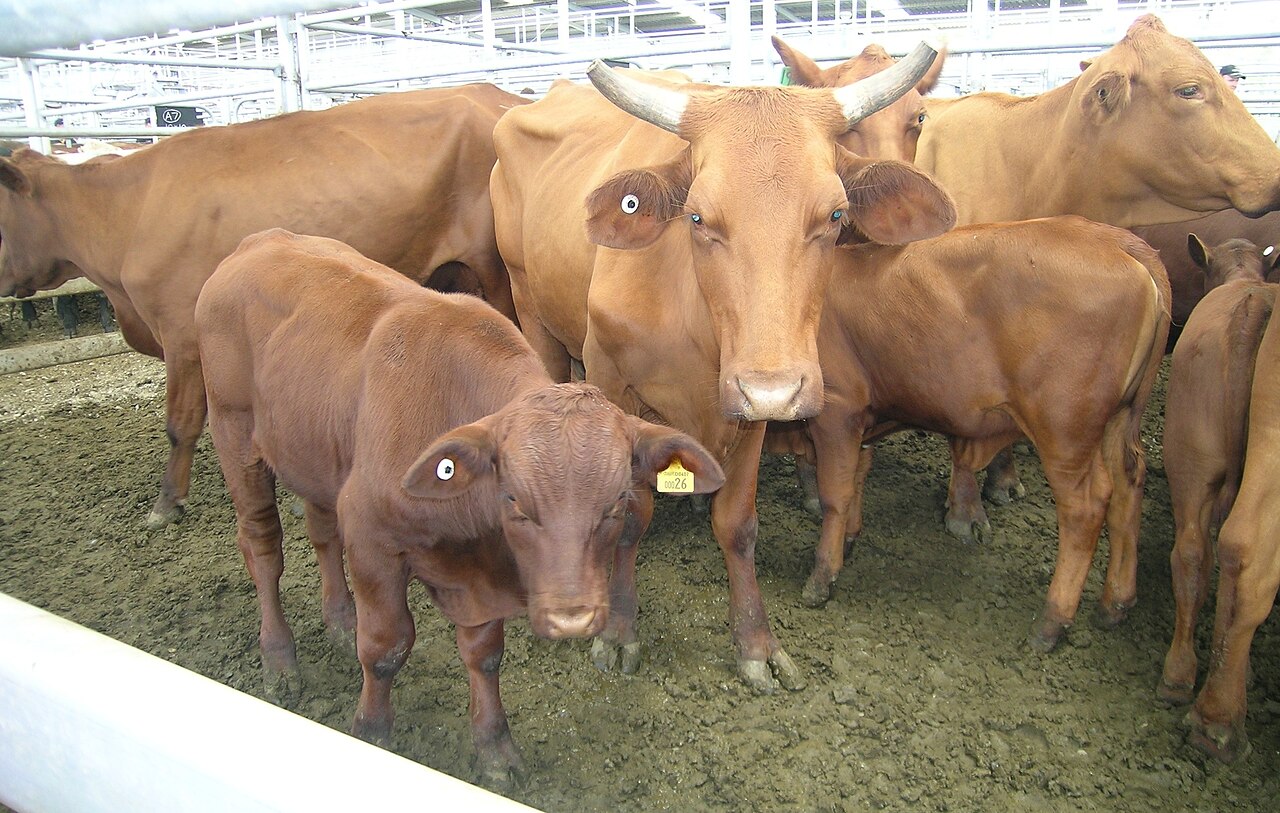
The UK Department for Environment, Food and Rural Affairs (Defra) has taken development of England's new livestock traceability system in-house, after spending £237.1 million on the wider programme, The Scottish Farmer's John Sleigh reports.
Technical development of the replacement multispecies livestock movement reporting system passed from Livestock Information Ltd (LI Ltd) to Defra in June 2026, the department confirmed, saying the move came "earlier than planned and in line with the programme roadmap". Bringing it under Defra's own Digital, Data and Technology Service, it said, aligns the project with Government Digital Standards, "emerging EU reset priorities" and in-house capability.
The Livestock Information Transformation Programme is meant to replace England's existing traceability systems with one digital platform covering several species. Its whole-life cost to 2035 is estimated at £557 million, of which £237.1 million had been spent by March 2026.
Defra declined to say why the original delivery model was dropped, whether technical, operational or contractual problems played a part, which milestones were missed or whether money would be recovered from delivery partners, citing "commercially sensitive details". It also declined to give contractor, consultancy or software costs.
Existing identification and traceability services stay in use until the replacements are ready, the department said. Cattle are the first species due to move onto the new platform, in 2027; the service is to support near real-time movement reporting and bovine electronic identification (EID), which ministers say will improve disease control, animal health monitoring and trade. Scotland, meanwhile, is pursuing a different technology route for cattle EID.
Photo: Cgoodwin / Wikimedia Commons (CC BY 3.0)
Source: The Scottish Farmer
Comments
(0)