
Automating jobs such as bedding up and feeding saves labour and can lift stock performance, but beef farmers should watch for an unintended consequence: cattle that rarely meet people because of drive-by routines can become flighty, stressed or even aggressive when handled, raising the risk of injury to both handler and animal, vet Mel Julian of Cross Counties Farm Vets told Farmers Weekly.
Checking stock from a tractor cab means animals grow used to machinery and its noise but not to voices or human movement. Because cattle are prey animals, their instinct under stress is flight, freeze or fight, and if their only contact with people is for vaccination or TB testing they quickly link humans with bad experiences.
"No exposure [to people] causes more stress, impacts production and, if at the wrong time, conception rates. A rise in stress can also lower the immune system, making the animal more susceptible to disease," she said.
Her advice is to remove negative associations with people, such as needles and veterinary procedures, and build positive or neutral ones, such as good feed, weighing and moving between pens. A simple start is to spend time each day walking along the feed fence and interacting with the cattle, and to practise moving cows calmly so they can be guided to a calving gate when needed; even the quietest cow becomes protective once her calf is on the ground.
For beef heifers in a breeding synchronisation programme, running them through the handling system three or four times before the first procedure, and feeding them there, helps them get used to it. Low-stress handling facilities, with solid-sided races, good visibility and fewer sudden noises and distractions, work with the animal's natural behaviour while keeping the operator safe.
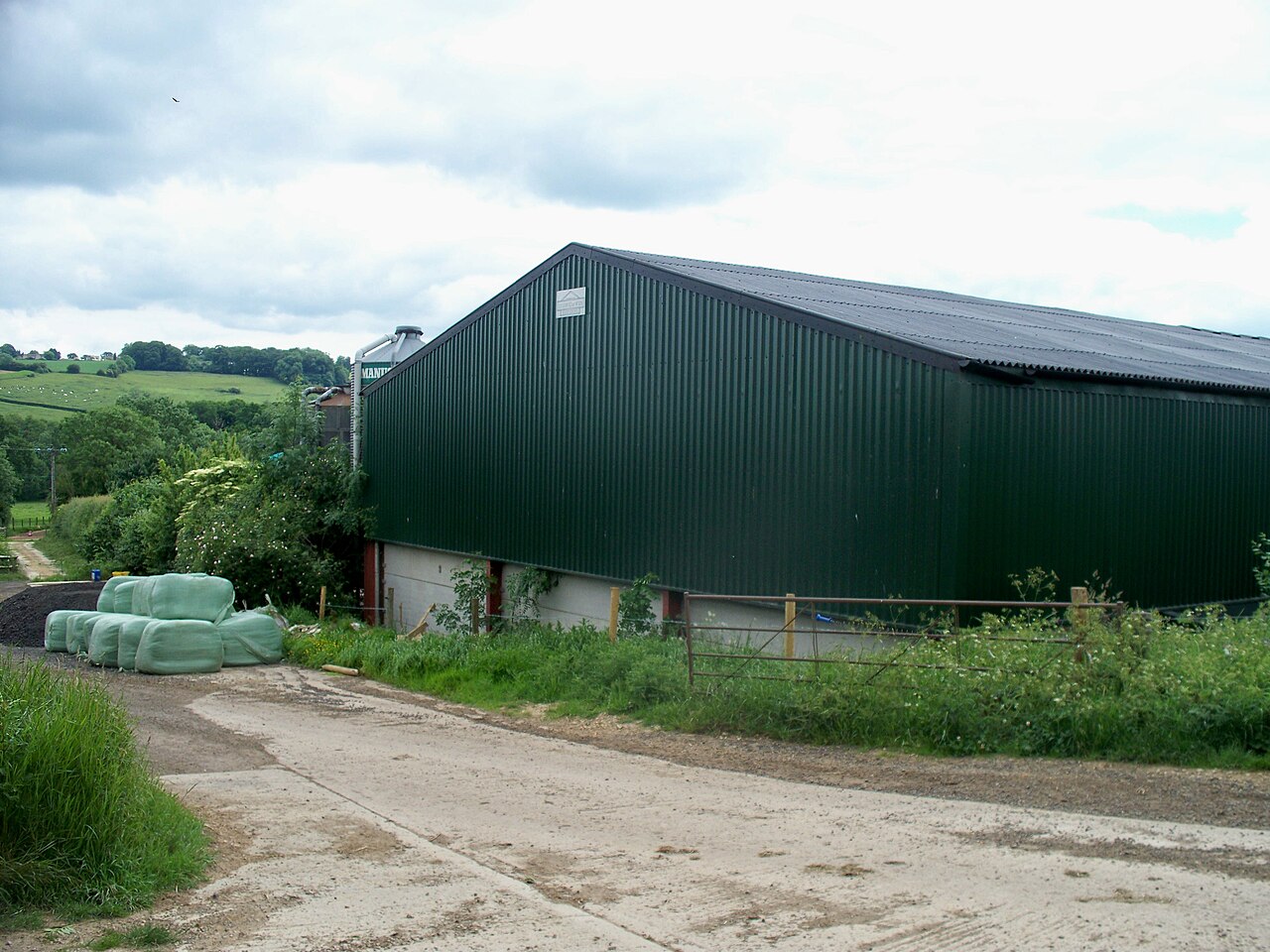
Photo: Michael Dibb / Wikimedia Commons (CC BY-SA 2.0)
Source: Farmers Weekly


Comments
(0)