
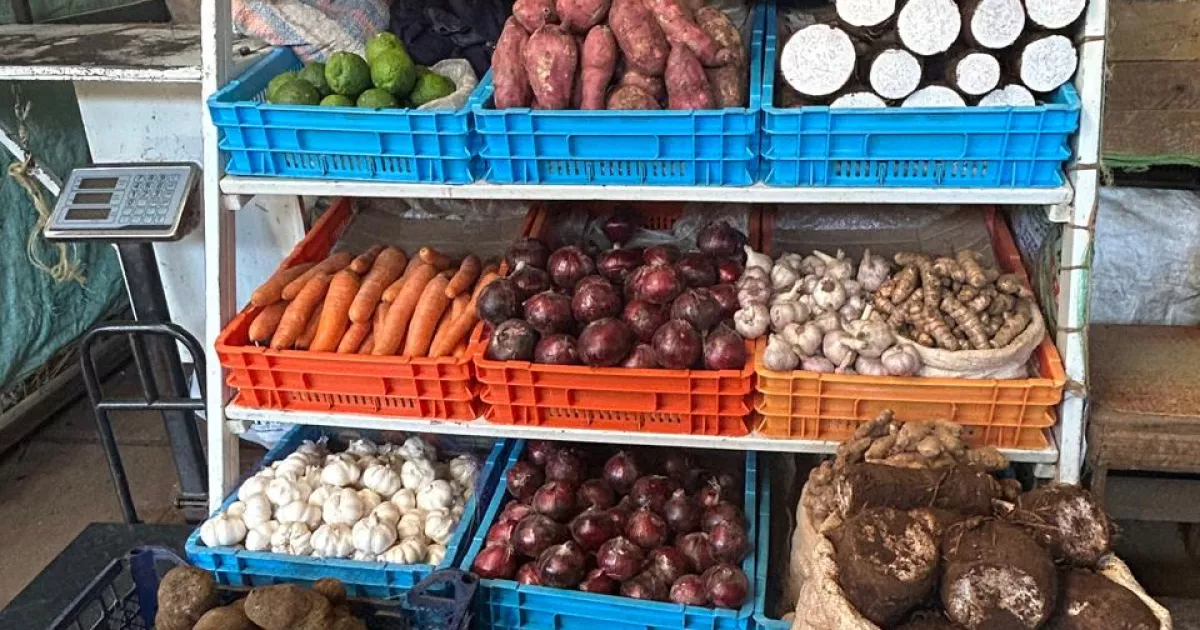
Between 30 and 50 percent of Africa's root and tuber crops are lost before they reach a consumer, even though those crops supply up to 40 percent of the continent's food. That figure framed a webinar on 25 August 2026, Feeding Growing Cities: Reducing Food Loss and Waste through Innovation, Partnerships and Governance, convened by the CGIAR Food Frontiers and Security Program and moderated by Dr. Joyce Maru, Regional Director for Africa at the International Potato Center (CIP).
The problem is global. The Food and Agriculture Organization (FAO) estimates that 13.3 percent of food is lost after harvest and before it reaches retail, and that 1.05 billion tonnes are wasted every year, about 19 percent of all food available to consumers. The world's population is expected to reach 9.6 billion by 2050, with 70 percent living in cities, and more than 80 percent of the food eaten in urban areas is grown outside their boundaries. The African Union's CAADP Strategy and Action Plan 2026–2035 has set a target of halving post-harvest losses by 2035.
Dr. Mukani Moyo, Head of Urban Food Systems at CIP, said prevention has to begin at the source, with improved varieties and better agronomic and harvesting practices, followed by post-harvest technology in storage and processing and stronger markets. Emeritus Kasee, general manager of Kevian Kenya Farms, described how the company combines improved genetics and clean seed with tissue culture, aeroponic and hydroponic production, healthy soil and growing media, and good agricultural practice, and said superior varieties cut the losses caused by pests and diseases such as potato cyst nematode and late blight.
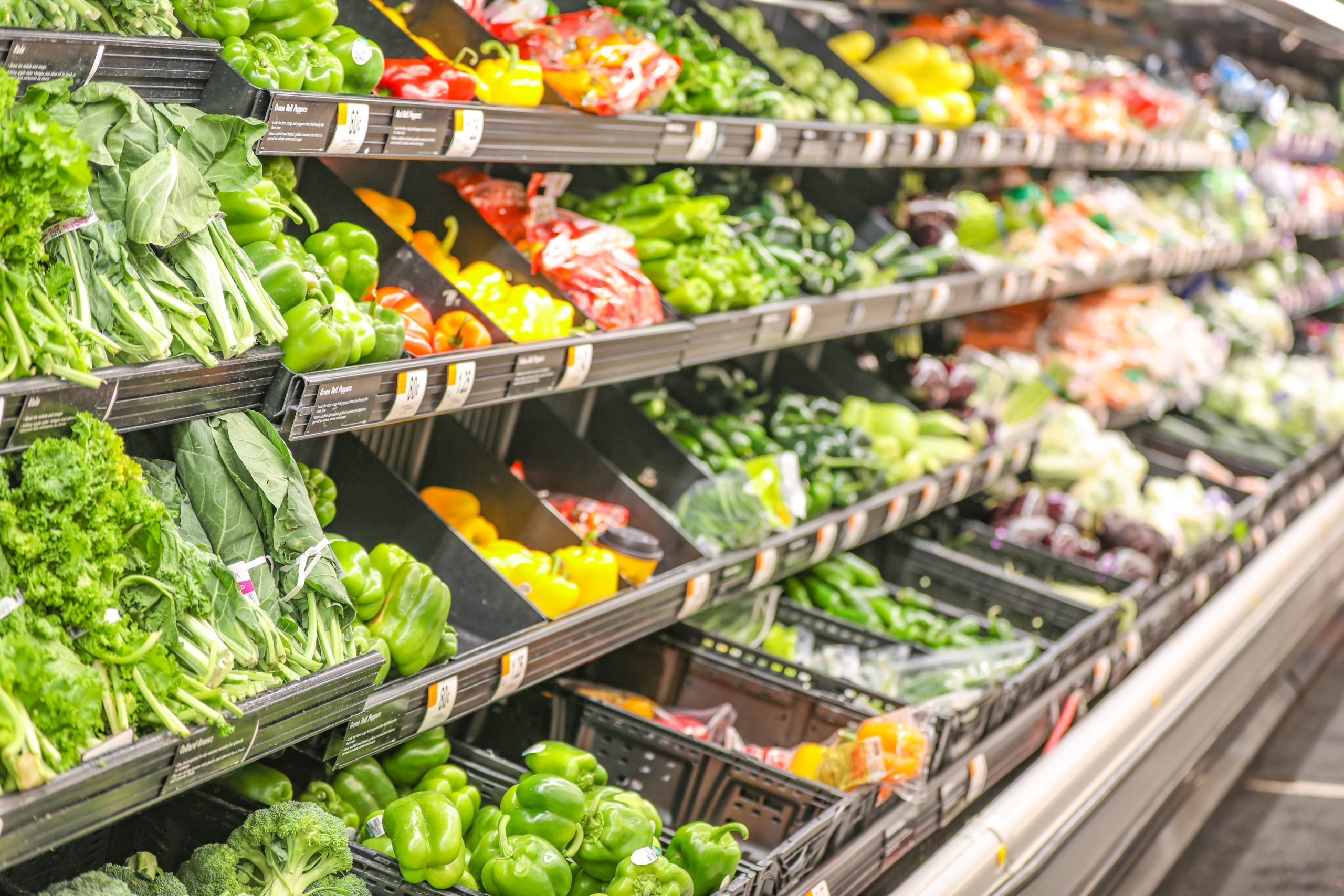
Fruits and vegetables are the crops most exposed to post-harvest loss. Dr. Mercy Mwambi, an agricultural economist at the World Vegetable Center (WorldVeg), pointed to cool-box technology that has reduced losses and raised savings among horticultural traders in Tanzania and Kenya. Johnson Kiragu of Partners in Food Solutions argued that any intervention should start by diagnosing where a particular business loses food, from handling and transport to cold storage, processing, packaging and marketing.
Where waste does occur, Dr. Tosin Somorin, a waste management specialist at the International Water Management Institute (IWMI), cited examples from Vietnam, Ghana and Kenya in which organic waste becomes compost, briquettes, animal feed and fertiliser, returning nutrients to farms and creating income. Scaling such circular solutions, she said, needs finance, awareness, skills and practical support.
City governments were cast as central. Winfred Katumo, Director of Food Systems and Sector Programme at Nairobi City County, said that with 80 percent of Nairobi's food coming from outside the county, the city is investing in post-harvest handling, storage, food recovery and value addition, and that such work must be written into policy and investment frameworks to outlast individual projects. Dr. Luke Metelerkamp of ICLEI Africa said waste management is a clear local-government mandate and called for coalitions built around measurable targets.
Dr. Anna Okello, Director of the CGIAR Food Frontiers and Security Science Program, said CGIAR's contribution lies in brokering evidence across countries, drawing lessons from Ghana, Vietnam and India. Closing the session, CIP Director General Dr. Simon Heck said the local urgency of food loss can bring governments, businesses, communities and researchers together around practical solutions. For a farmer or a trader, the message was that keeping food from being lost is worth as much as growing more of it.
Source: CGIAR
Comments
(0)