
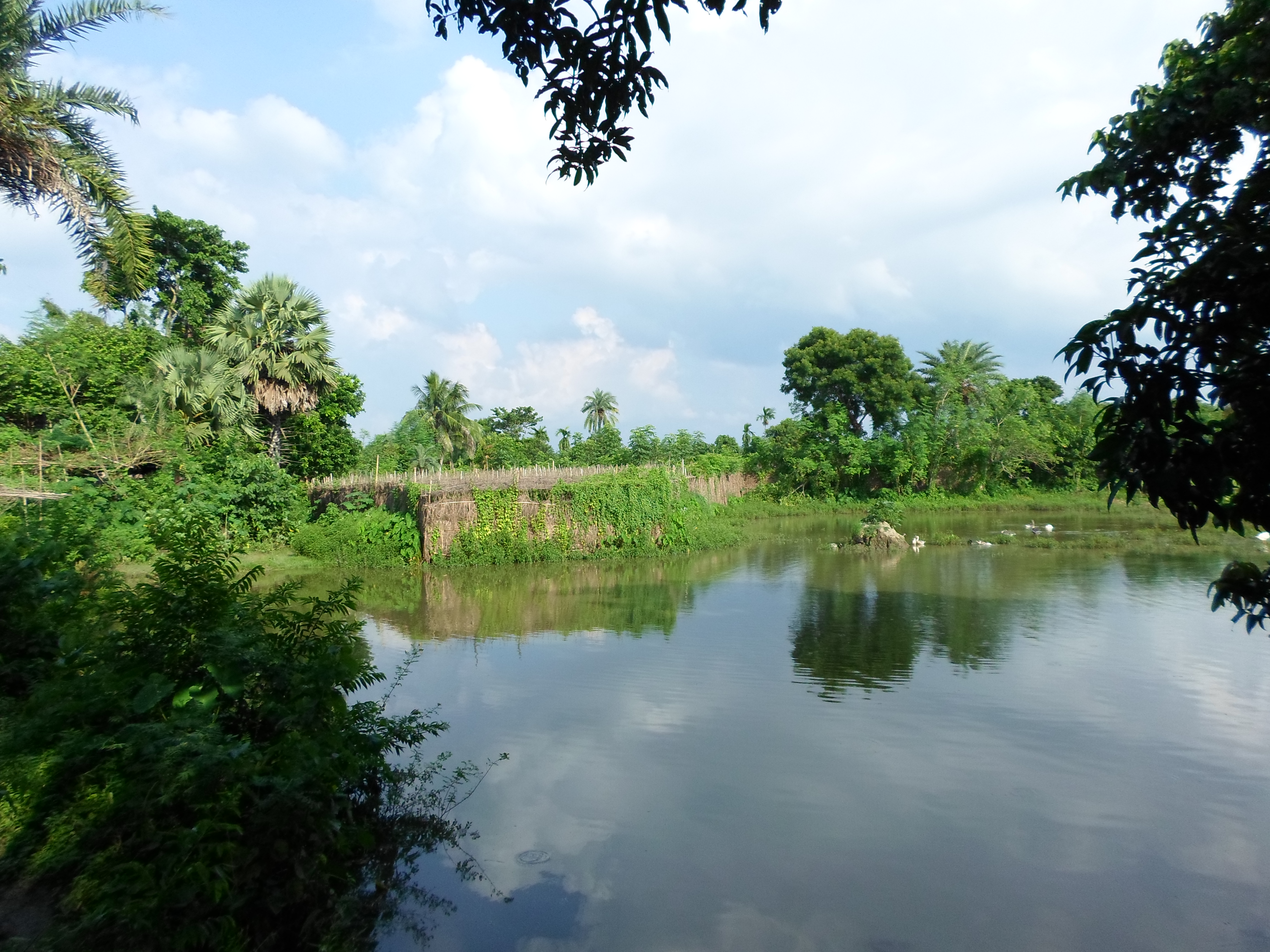
Two eight-year-old boys, cousins from the same family, drowned while bathing in a pond in Pomkara village of Sidlai union in Brahmanpara upazila, Cumilla, on Wednesday, 15 July 2026. Jagonews24 reported that it happened at about 2pm. The two were pulled out of the water and taken to Brahmanpara Upazila Health Complex, where the doctor on duty declared them dead.
The officer-in-charge (OC) of Brahmanpara police station, Md Faruk Hossain, confirmed the deaths to Jagonews24. The state news agency Bangladesh Sangbad Sangstha (BSS) and the Daily Inqilab reported the same event that day, and their accounts agree on the village, the union, the children's ages and the hospital. Out of respect for the family, this report does not name the children.
How the two boys went under
According to the account the children's uncle gave Jagonews24, the two cousins and his own son, a third boy of the same age, had been playing beside the house at midday and then went into the pond next to it to bathe. At one point the two cousins went under. The third boy ran to tell the family, and relatives and neighbours rushed to the pond, brought the two out quickly and took them to the upazila health complex. There the doctor on duty declared them dead.
BSS, in a report datelined Cumilla (North), gave a similar account from local sources. It said the three children had gone to a pond beside the house to bathe, and that when the two cousins dived under the water and did not come back up, the third child began shouting to call people from nearby. A local resident who heard the cries ran to the pond, went into the water and brought both children out. With the help of relatives and neighbours they were taken, in a critical condition, to the health complex, where both were declared dead. BSS wrote that the news of two children dying together had cast a shadow of grief over the area.
The Daily Inqilab's report from Brahmanpara, published at 5:38pm the same day, described the water as a doba, a small pond, beside the family's home, and said the boys sank after falling in while they were playing near it. That detail differs from the Jagonews24 and BSS accounts, which say the children had gone in to bathe. All three reports agree that relatives and neighbours brought the two out and that they were dead by the time they reached the hospital. Inqilab wrote that the whole area was in mourning, and quoted a local public representative who had visited the family as saying the village was overcome with grief.
What the doctor and the police said
Dr Jyoti Prakash Biswas, a doctor in the emergency department of Brahmanpara Upazila Health Complex, told BSS that the two children had died before they were brought to the hospital, and that after the necessary examination the bodies had been handed over to their relatives. He gave Inqilab the same account: the children were already dead on arrival.
OC Md Faruk Hossain told Jagonews24 that the police were aware of the two children drowning, and that as no one had made any complaint, the bodies were being handed over to the families through the legal process. Inqilab reported him as saying that the bodies had been released without a post-mortem examination at the family's request.
A sub-inspector of Brahmanpara police station, DMA Majid, told BSS that on hearing the news the police went at once to the upazila health complex, spoke to the relatives of the dead children and then visited the spot. He said the deaths had been found, at the first stage, to be a case of drowning.
Brahmanpara: an upazila of rivers, canals and beels
Brahmanpara is one of the 16 upazilas of Cumilla district (spelt Comilla in older records) in Chattogram division. Banglapedia, the national encyclopaedia of Bangladesh, gives its area as 128.48 square kilometres, between 23°35' and 23°44' north latitude. It borders Kasba and Muradnagar upazilas to the north, Burichang to the south, the Indian state of Tripura and Kasba to the east, and Debidwar and Muradnagar to the west. The 2011 census counted 204,691 people in the upazila: 97,434 men and 107,257 women.
The upazila has eight unions: Chandla, Dulalpur, Brahmanpara, Madhabpur, Malapara, Shashidal, Sahebabad and Sidlai, the union where Pomkara village lies. Water runs through its landscape. Banglapedia lists the Gumti, Buri, Salda and Ghungur rivers, the Bara Khal canal, and several beels, the low-lying wetlands of the Bengal plain, among them Pallar beel, Makimpur Go-bak beel and the Baroni beel at Jamtali. The upazila's main crops are paddy, mustard, potato, betel leaf and vegetables.
Banglapedia records that the area was once part of Kasba thana and was included in Burichang thana in 1954. A police outpost was set up in 1968, and Brahmanpara became an upazila in 1983. During the Liberation War of 1971 the area was under Sector 2. The upazila has one upazila health complex, the government hospital to which the two boys were taken, and three satellite clinics. Its average literacy rate is 54.7 percent, 56.2 percent for men and 53.5 percent for women.
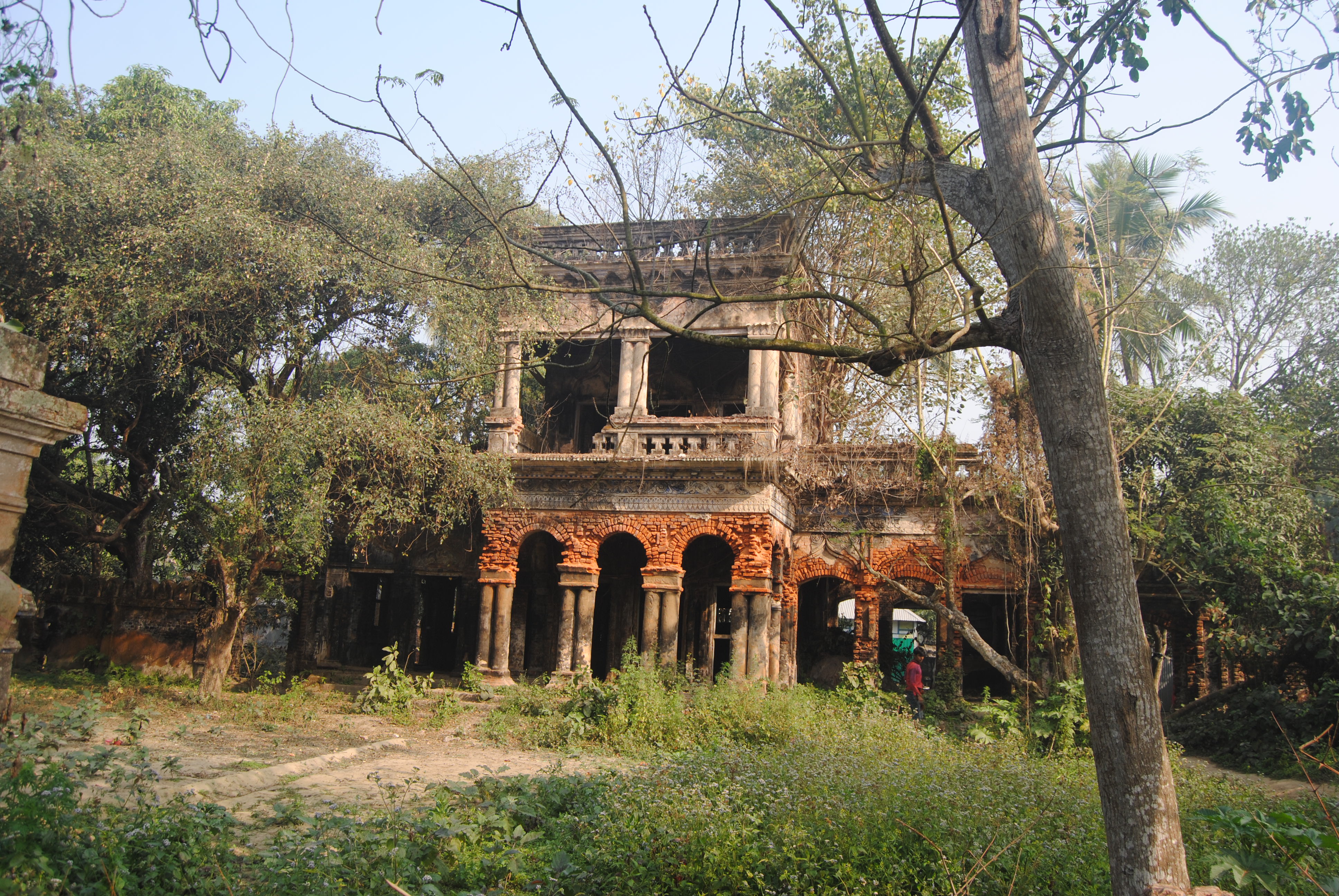
Cumilla district covers 3,034.74 square kilometres, according to Banglapedia. It is bounded by Brahmanbaria and Narayanganj districts to the north, Noakhali and Feni to the south, Tripura to the east, and Munshiganj and Chandpur to the west. Banglapedia gives its population as 5,177,106. The district's main rivers are the Meghna, the Gumti, the Dakatia, the Little Feni and the Buri, and agriculture is the largest single source of household income, at 47.31 percent. The district was established as Tippera in 1790 and renamed Comilla in 1960; the Chandpur and Brahmanbaria subdivisions became separate districts in 1984.
An earlier drowning in the same upazila
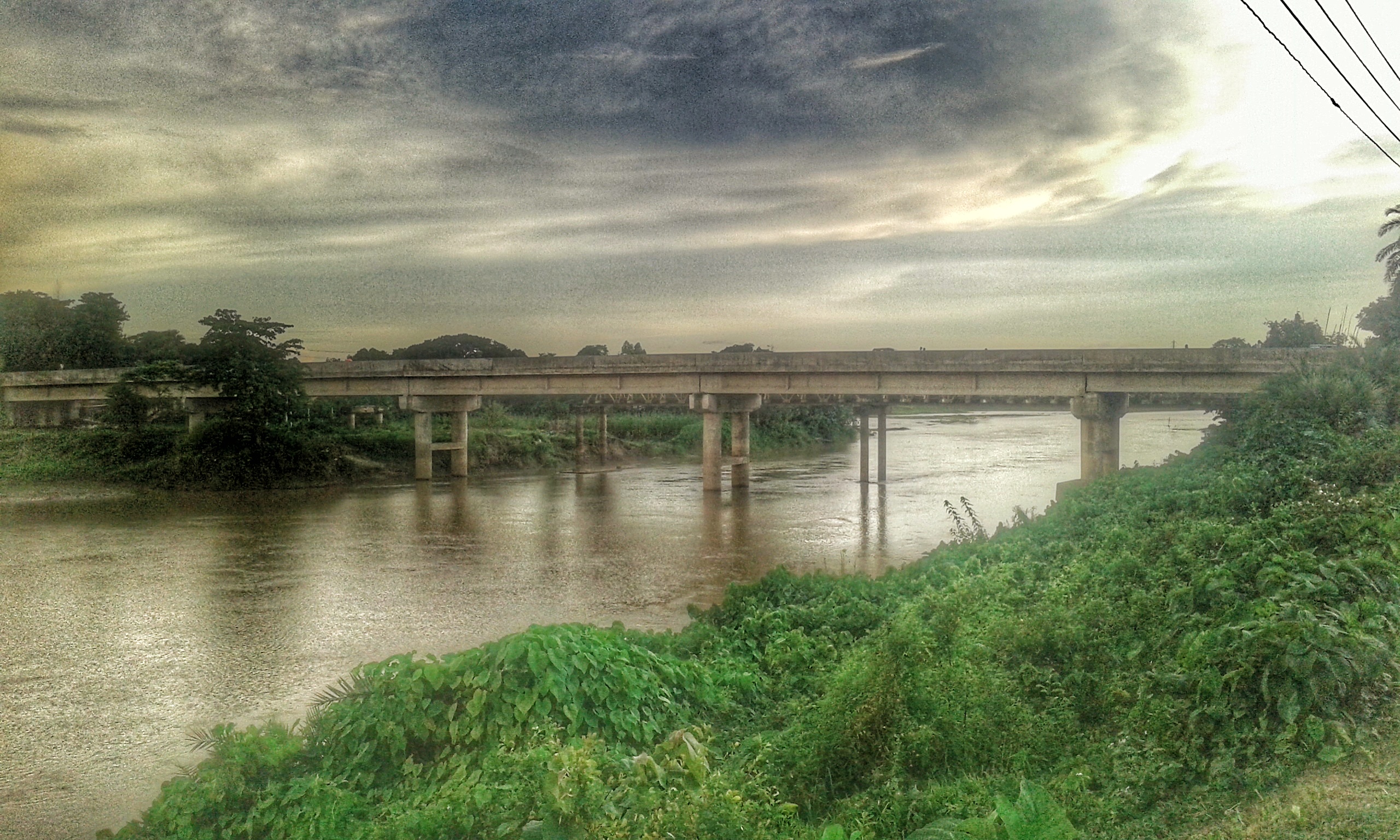
The deaths in Pomkara were not the first child drowning in Brahmanpara that year. The Daily Inqilab reported that on Thursday, 25 June 2026, at around noon, a two-year-old boy slipped away from his family unnoticed and fell into a canal beside his home in Badani village of Madhabpur union, another of the upazila's eight unions. He was pulled out and rushed to a hospital emergency department, where a doctor confirmed that he had died before he arrived. The chairman of Madhabpur Union Parishad, Md Farid Uddin, told the paper that the death had cast a shadow of grief over the whole area.
Both cases follow the pattern that injury researchers in Bangladesh have described for years: a child near water close to home, in daylight, at a moment when no adult is watching, and a death that has already happened by the time the child reaches a doctor.
Drowning, a leading killer of children in Bangladesh
Much of what is known about drowning in Bangladesh comes from the Bangladesh Health and Injury Survey (BHIS), a national household survey carried out in 2005 and again in 2016. The Centre for Injury Prevention and Research, Bangladesh (CIPRB), a Dhaka-based research organisation founded on 6 February 2005, has drawn on both surveys in its work on drowning.
A 2019 paper in the journal BMJ Open by researchers from CIPRB and partner institutions, citing the 2016 survey, reported that drowning was the main cause of injury death among children aged 1 to 4 and 5 to 9, and that about 40 children aged 0 to 17 died from drowning every day, the highest toll of any kind of injury. About 13 adults also drowned each day. The national drowning rate for both sexes was 11.7 deaths per 100,000 people a year. It was highest among the youngest: 53.3 per 100,000 for infants under one year, 71.7 for children aged 1 to 4, and 28.1 for children aged 5 to 9, the age group of the two boys in Pomkara.
The same paper noted that the 2005 survey had identified drowning as the leading cause of death among children aged 1 to 17, with about 17,000 child drowning deaths a year. It added that the 2011 Bangladesh Demographic and Health Survey had reported drowning's share of all deaths among children aged 1 to 4 rising from 19.0 percent in 2004 to 43.0 percent in 2011.
CIPRB describes child drowning as a "silent epidemic". It says that on average 50 people, including 40 children, die from drowning in Bangladesh every day, and that its research since 2005 shows that local, low-cost measures exist to prevent these deaths: institutional care for children under five, water safety education, barriers around water, and swimming lessons from trained community swimming instructors.
Where and when the risk is greatest
A household survey that CIPRB researchers carried out in Barishal division between September 2016 and February 2017, published in BMJ Open in 2019, looked closely at how drownings happen. Barishal was chosen because the national surveys had identified it as the most drowning-prone division. The survey recorded 285 fatal drownings over a two-year recall period, an overall rate of 37.9 per 100,000 people a year, about three times the national rate.
About three-quarters of the deaths took place within 100 metres of the home, and more than three-quarters happened in ponds and ditches. More than half, 56.0 percent, happened in outdoor water bodies that families used for bathing and washing. Almost all the deaths happened between 6am and 6pm, and 63.0 percent between 9am and 3pm. Among children aged 1 to 4, 58 percent of drownings happened between noon and 4pm. Deaths peaked in June and September, which together accounted for 23.7 percent of them.
Boys were at greater risk than girls: the rate for males was 48.2 per 100,000 a year against 27.9 for females, and rural residents were at greater risk than town dwellers, 38.9 against 29.3. Of those who drowned, 62.3 percent were unaccompanied at the time. The authors identified lack of supervision as a major risk factor and noted that children were often with siblings or alone. Households with four or more children had higher odds of a drowning death.
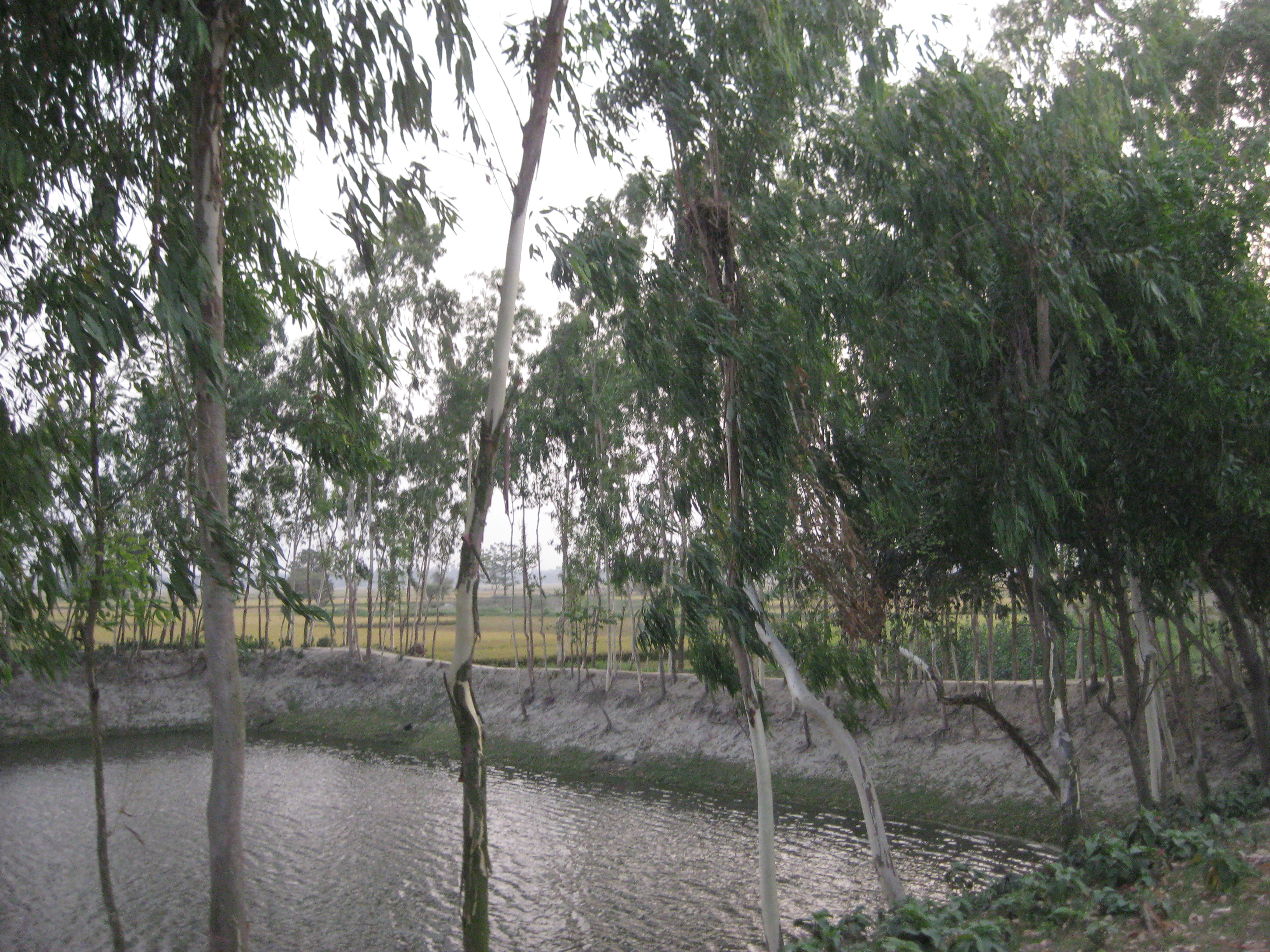
The World Health Organization (WHO) describes the same risks worldwide in its drowning fact sheet, dated 1 May 2026. It says young children are at particularly high risk because of an underdeveloped ability to assess risk, and that the risk of drowning increases when children interact with water outside active adult supervision. It names everyday use of ponds, rivers and lakes for bathing and washing clothes as one of the ways people are exposed to water, and says drowning disproportionately affects poor and marginalised people. Males, WHO adds, have more than twice the drowning death rate of females.
The global picture
WHO defines drowning as "the process of experiencing respiratory impairment from submersion/immersion in liquid". Its fact sheet puts drowning deaths at around 300,000 a year worldwide, with children under five accounting for nearly a quarter of them. Drowning is the fourth leading cause of death for children aged 1 to 4 and the third for children aged 5 to 14. Ninety-two percent of drowning deaths occur in low- and middle-income countries, and more than half of all drowning deaths occur in WHO's Western Pacific and South-East Asia regions. Children and young people aged 0 to 29 account for 57 percent of the deaths, and drowning accounts for 75 percent of deaths in flood disasters.
In December 2024 WHO published its first Global status report on drowning prevention, based on information from 139 countries and territories. Its news release of 13 December 2024 said that about 300,000 people drowned in 2021, more than 30 every hour, and that the global drowning death rate had fallen by 38 percent since 2000. It warned that if trends continued, more than 7.2 million people, mainly children, could die by drowning by 2050. It also found that while 73 percent of countries had search and rescue services, only 33 percent trained bystanders in safe rescue and resuscitation, and only 22 percent included swimming and water safety in school curricula. At the same time Bloomberg Philanthropies announced an additional US$60 million to prevent drowning deaths in Bangladesh, Ghana, India, Uganda, the United States and Viet Nam.
Bangladesh has been at the centre of the international effort. In April 2021 the UN General Assembly adopted its first resolution on drowning prevention and designated 25 July as World Drowning Prevention Day. CIPRB notes that the resolution was initiated by Bangladesh and Ireland and co-sponsored by 79 countries. In May 2023 the 76th World Health Assembly adopted a further resolution to accelerate action up to 2029, under which WHO committed to set up a Global Alliance for Drowning Prevention.
What prevents child drowning
WHO says governments must reinforce proven prevention measures. Its fact sheet lists the measures that have been shown to work:
- barriers that control access to water, such as covering wells, doorway barriers and playpens, and fencing swimming pools;
- supervised community childcare for pre-school children;
- teaching school-age children basic swimming, water safety and safe rescue skills, with strong safety standards;
- safe boating, shipping and ferry regulations;
- building resilience to floods through disaster preparedness, land-use planning and early warning systems;
- a national water safety strategy.
A WHO investment case projects that scaling up just two of these interventions, pre-school day-care and basic swim training, could prevent 774,000 child drownings and 178,000 severe non-fatal injuries by 2050.
In Bangladesh, CIPRB developed two community programmes that put these ideas into practice. The first is the Anchal, a community day-care centre. An Anchal provides supervision for 20 to 25 children aged one to five from 9am to 1pm, the hours when parents are busiest and young children are most at risk, and offers early learning and regular checks on the children's physical and emotional development. The centres are run by local women, known as Anchal Maa, and assistants, using low-cost, locally available resources. CIPRB says a study showed that an Anchal is over 80 percent protective against drowning.
The second is SwimSafe, which teaches survival swimming to children aged six to ten, the age group of the two boys in Pomkara. Trained Community Swimming Instructors teach batches of 15 to 25 children, half of them girls, in modified ponds, with one instructor to five children in the water and one to one for children with disabilities. Over two weeks the children learn 21 skills, from getting used to the water to gliding, breathing out under water, kicking, floating and land-based rescue. To graduate, a child must swim 25 metres, float for 30 seconds and carry out a rescue from land. CIPRB says SwimSafe was found to be 96 percent protective and that WHO now recommends it. Under its first-responder programme, community volunteers are trained in basic first aid, including assessing a casualty's response, airway, breathing and circulation, and basic life support such as cardiopulmonary resuscitation (CPR).
For families, the advice from WHO and CIPRB comes down to a few points: young children should not be near ponds, ditches or other water without an adult actively watching them; wells and water near the house can be covered or fenced; children of school age should learn to swim and to rescue from the bank rather than by going into the water; and first aid should be given by people trained in it. Anyone with questions about a child's safety or first aid can ask at the nearest upazila health complex.
The government's childcare and swimming project
The government took up the CIPRB model on a large scale in 2022. On 12 June 2022 Bangladesh Shishu Academy, under the Ministry of Women and Children Affairs, launched the Integrated Community Based Centre for Child Care, Protection and Swim-Safe Facilities project, with CIPRB as technical partner and the Royal National Lifeboat Institution (RNLI) of the United Kingdom and Bloomberg Philanthropies of the United States as development partners. CIPRB's newsletter reported that the project would be carried out in 45 upazilas of 16 districts over three years, supervise 200,000 children in 8,000 childcare centres and teach 360,000 children survival swimming, and that raising parents' and communities' awareness was one of its main aims. The Financial Express reported the cost as Tk 2,710 million.
Prothom Alo reported on 28 May 2026 that the first phase ran from 2022 to 2025 and enrolled about 200,500 children aged one to five in 8,020 community childcare centres. The centres open from 9am to 2pm, and each is designed for 25 children. Citing the project's evaluation, the paper said 800 swimming centres had taught 360,000 children. The evaluation also found weaknesses: of 402 childcare centres observed, 96 percent were operating, but only 13 percent met the minimum space of 250 square feet and 14 percent had first-aid boxes; of 81 swimming centres observed, 85 percent had full fencing around the pond and about 47 percent lacked flotation equipment. A separate evaluation by BRAC Institute of Educational Development found that children attending the centres did better in communication, listening, problem-solving and personal-social development.
On 15 July 2026, the day of the Pomkara deaths, The Daily Star reported that the project's childcare centres had been closed since December, after the first phase ended, while a new development project proposal of Tk 838 crore awaited approval from the Planning Commission. The proposal would extend the work to 79 upazilas in 30 districts, with more than 13,000 centres reaching about 1.006 million children, and would raise the caregivers' allowance from Tk 4,000 to Tk 5,000 a month. The project manager, Tariqul Islam Chowdhury, told the paper that once the project was approved, reopening the existing centres would be the first priority. The reports do not say whether any of the project's centres were in Brahmanpara.
Photo: মো: সাইফুল ইসলাম (রয়েল) / Wikimedia Commons (CC BY-SA 4.0)
Sources: Jagonews24, Bangladesh Sangbad Sangstha (BSS), The Daily Inqilab, Banglapedia, BMJ Open, Centre for Injury Prevention and Research, Bangladesh (CIPRB), World Health Organization (WHO), The Financial Express, Prothom Alo, The Daily Star
Comments
(0)