
The Crop Trust and the New York Botanical Garden hosted the 2026 Crop Diversity Day at the garden during Climate Week NYC, using science, stories and a shared meal to link the work of farmers, genebanks and botanic gardens with food that tastes good and helps people eat well. Earlier editions were held in Rabat in 2024 and Lima in 2025, following the 2023 Global Crop Diversity Summit in Berlin, which called for closer cooperation among the world's genebanks.
The day's main launch was the latest World Food Map. More than 25,000 plant species have been used as food worldwide, many familiar in one place and barely known in another. Based at Wageningen University & Research, the platform combines what people eat with where food plants grow and how well they are conserved, to help find local foods that could fill gaps in diets.
The event also marked the first anniversary of the Global Conservation Consortium for Food Plants, hosted at the New York Botanical Garden and supported by the Crop Trust, which links botanic gardens with genebanks. Living collections in gardens help conserve fruits, nuts and other plants that cannot easily be kept in seed storage.
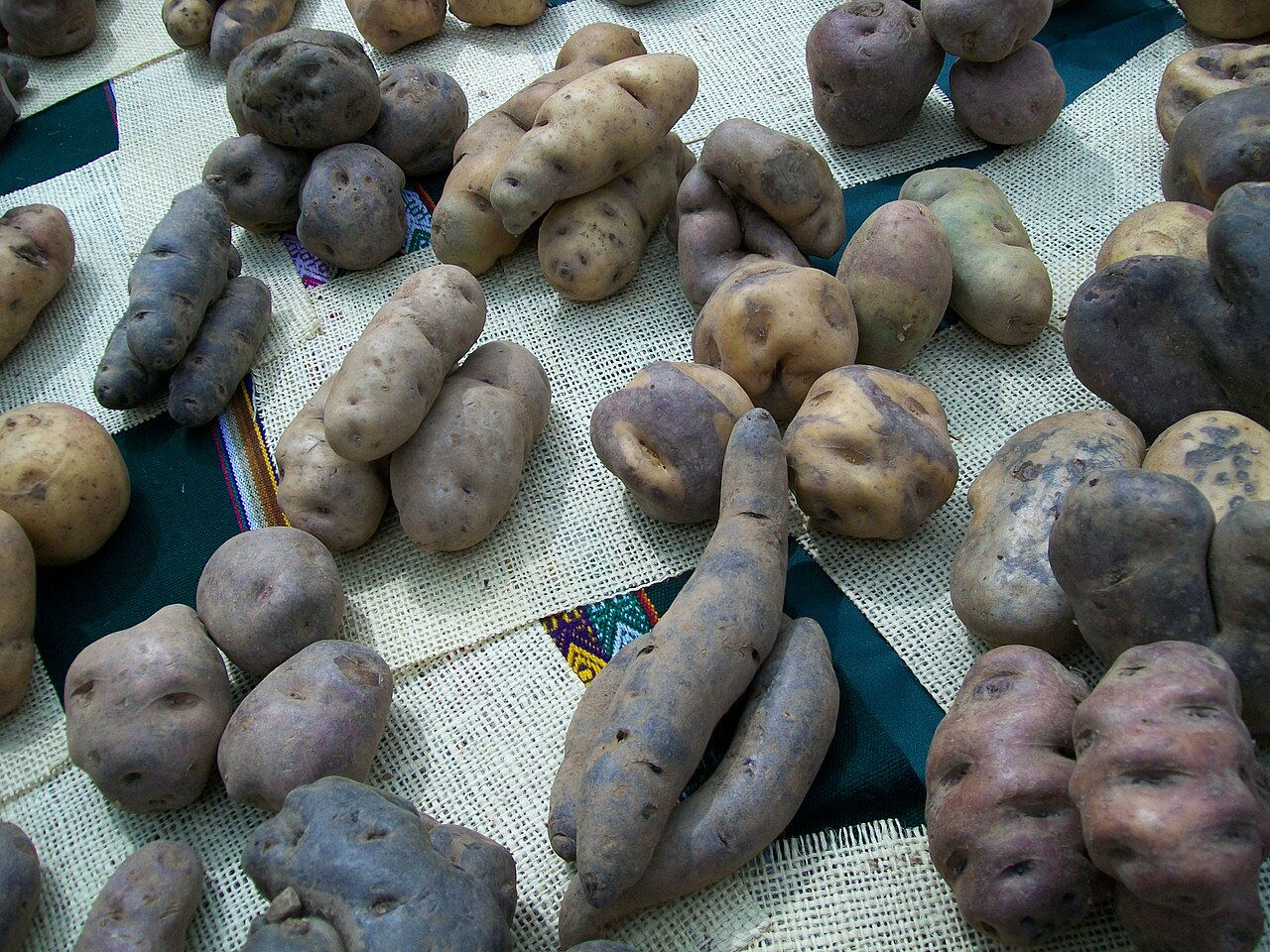
One story shared at the event came from three Aymara communities in Peru, where farmers grow many potato varieties together to spread the risk of a bad harvest. Working with them, a team from the International Potato Center (CIP) identified 83 native varieties. "Diversity is farmers' food insurance," said Martin van Zonneveld, CIP's head of genebank. Two of the communities had turned to the genebank to recover varieties they could no longer find locally.
Jenny Gallo-Franco of the Periodic Table of Food Initiative and the Alliance of Bioversity International and CIAT showed how green vegetables that look alike can differ widely in their compounds. Through the Crop Trust's Power of Diversity Funding Facility, researchers are using the same methods to measure opportunity crops in several countries, so the results can be compared and farmers can make a stronger case for these foods in local markets.
"We can redefine this triangle of people, plants, and the planet," said Stefan Schmitz, executive director of the Crop Trust. For farmers, the message was that conserved diversity, from genebank seed to native varieties, is also a source of new markets.
Photo: Edgar Amador Espinoza M. / Wikimedia Commons (CC BY-SA 3.0)
Source: Global Agriculture


Comments
(0)