
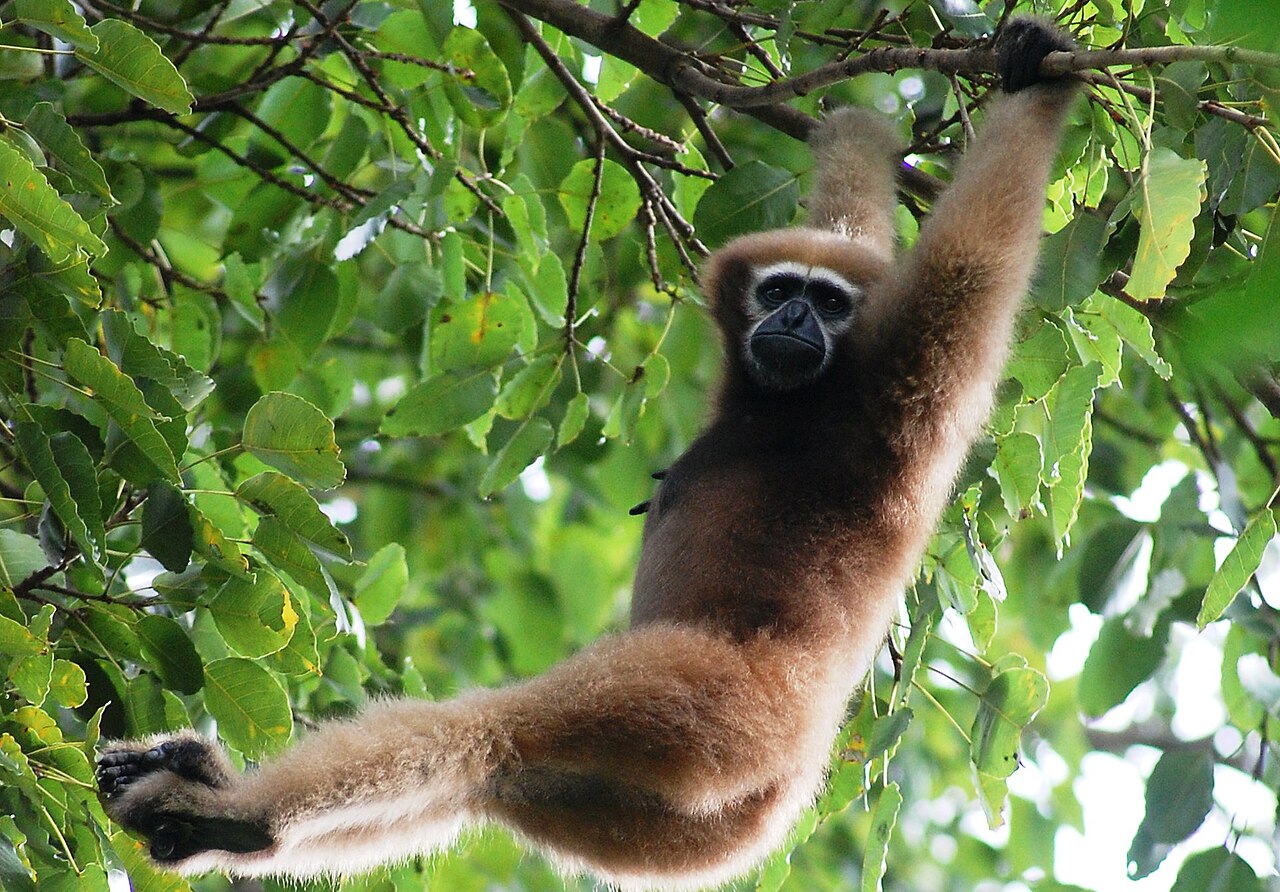
Cox's Bazar is known for its beach, but its hill and evergreen forests still hold Asian elephants, barking deer, capped langurs, pig-tailed macaques, porcupines, jungle cats and leopard cats, with endangered western hoolock gibbons in places and even the rare clouded leopard. On World Animal Day, a Barta24 report says protecting these animals means protecting their habitat too.
Forest Department figures list the Teknaf Wildlife Sanctuary (11,614.57 hectares), the Fashiakhali Wildlife Sanctuary (1,302.42 hectares), Inani National Park (7,085 hectares) and the Baishari Bangdepa Wildlife Sanctuary, set up in 2023. The Chunati Wildlife Sanctuary, which takes in part of Chakaria, covers 7,764 hectares and is notable for its elephants.
A 2022-23 study recorded 23 mammal species in Inani National Park in Ukhiya. Asian elephants, western hoolock gibbons and clouded leopards are critically endangered on the national Red List, and northern red muntjac, pig-tailed macaques, capped langurs and slow lorises are endangered. Another study found 18 western hoolock gibbons in seven groups at Inani. Older Forest Department data list 15 mammal, 65 bird, 6 amphibian and 15 reptile species in the Inani reserve, and the Kudum cave in Teknaf shelters two bat species, four snails, four fish and three spiders.
Fashiakhali is recognised as important elephant habitat. When food and safe ground shrink inside the forest, elephants move into villages and conflict follows, so keeping their corridors intact matters as much as protecting the animals.
Tourism, settlements, roads and infrastructure are squeezing the forests. Nazrul Islam, organising secretary of the Bangladesh Poribesh Andolon (BAPA) in Cox's Bazar, said the animals survive only if the forest does, and that settlements, roads and other structures being built in the forests threaten them.
The report is by Barta24's Cox's Bazar staff correspondent Abdu Rashid Manik.
Photo: Programme HURO / Wikimedia Commons (CC BY-SA 3.0)
Source: Barta24
Comments
(0)