
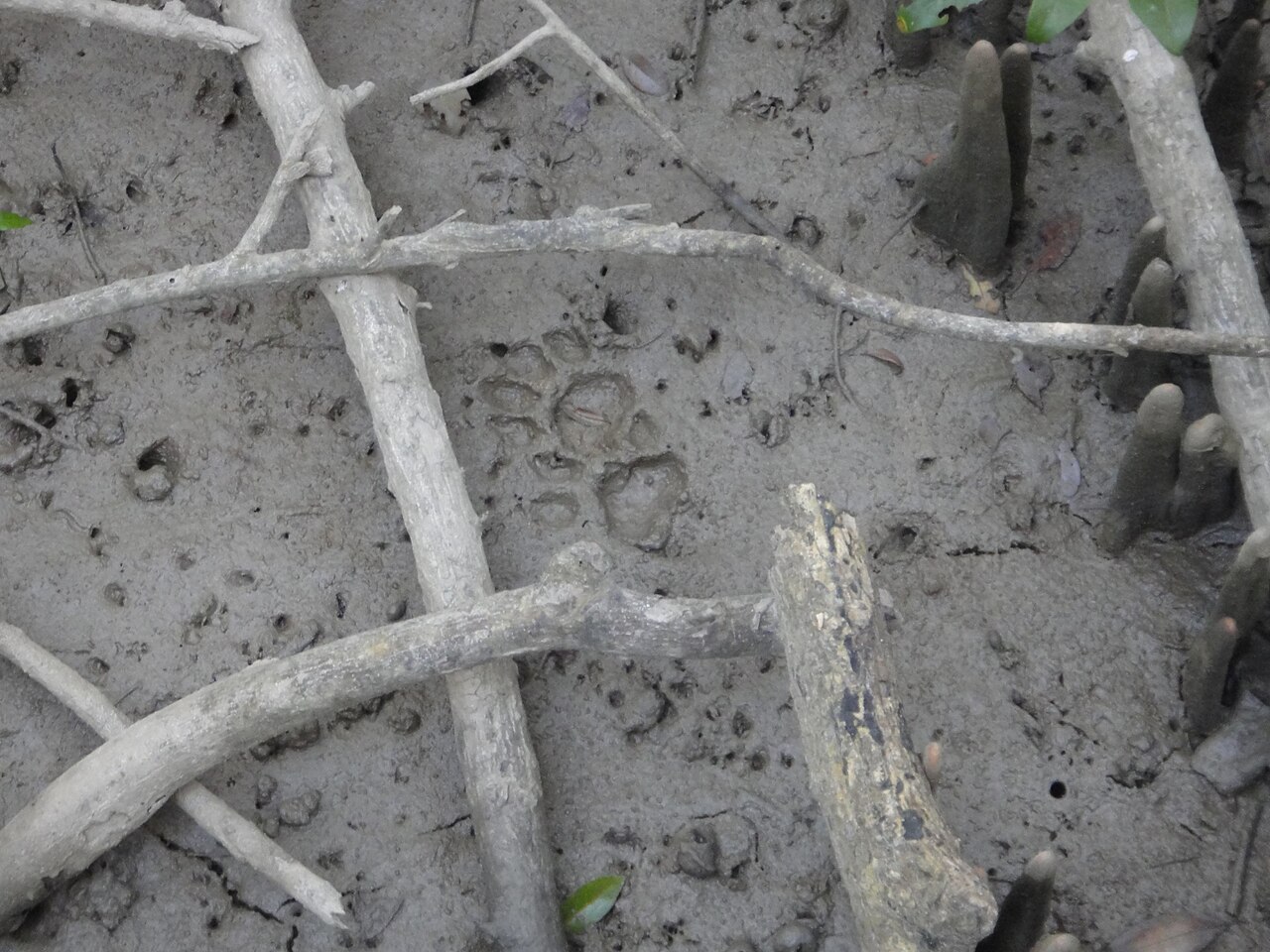
World Animal Day, marked every year on 4 October, has the theme "See the World Through Their Eyes" this year. Writing in Dhaka Post, Ashish Dutta, assistant professor of zoology at Jahangirnagar University, asks how the world looks to a Sundarbans tiger or to the elephants of the Garo hills and Chattogram when roads, power lines, settlements or paddy fields cut across the paths they have used for centuries. The views are the writer's own.
He reminds readers that Bengal's farm life, the nutrition from milk, eggs and meat, and much of the rural economy still rest on cattle and poultry. Bees and butterflies pollinate crops, vultures and jackals clear carcasses and slow the spread of disease, earthworms enrich the soil, and the Sundarbans shields the coast from cyclones.
He cites the IUCN global Red List: of 175,909 species assessed, 49,505, about 28 percent, are threatened. In the 2015 Red List prepared by IUCN Bangladesh and the Forest Department, 390 of 1,619 species assessed were threatened, 56 of them critically endangered, 181 endangered and 153 vulnerable, and 31 species, 11 mammals, 19 birds and one reptile, were listed as extinct in Bangladesh.
Of zoos and safari parks, he argues that how the animals are doing matters as much as how many there are. And the day is not only for tigers and elephants but for cattle, goats, poultry, horses, dogs and cats too. Pointing to cruel livestock transport, poor veterinary care and nutrition, and the abuse of street animals, he invokes the One Health idea: human, animal and environmental health cannot be separated.
To policymakers he puts a question: when a road, dam, power project or new settlement is planned, does anyone ask whose home it will take away, and how far do environmental impact assessments consider the animals' point of view? The earth, he concludes, is not ours alone; we share it with countless other lives.
The piece appeared in Dhaka Post's opinion section.
Photo: Koushik Roy / Wikimedia Commons (CC BY-SA 4.0)
Source: Dhaka Post


Comments
(0)